
Climate crisis pushes emperor penguin closer to extinction
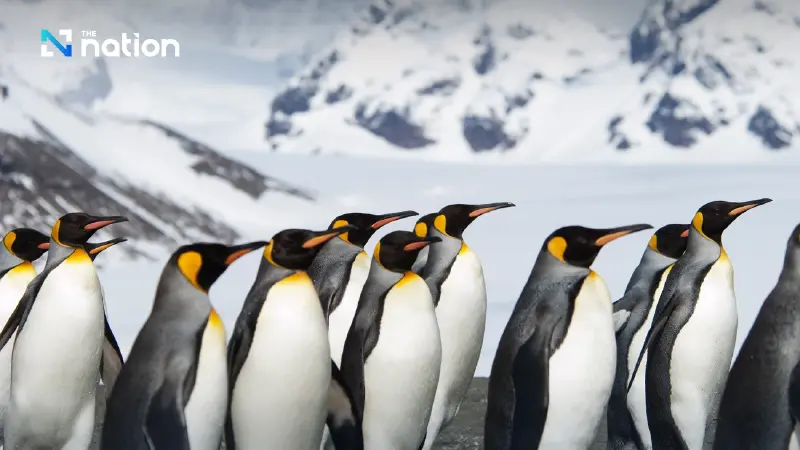


IUCN has uplisted the emperor penguin to endangered, warning climate-driven sea ice loss could cut its population by half by the 2080s
The emperor penguin, one of the most recognisable symbols of Antarctica, has officially been reclassified as an endangered species by the International Union for Conservation of Nature, in a stark new sign of the accelerating damage caused by global warming.
The IUCN announced on April 9 that the emperor penguin had been moved up from near threatened to endangered on its Red List, after mounting evidence showed that climate-driven changes in Antarctic sea ice are rapidly undermining the species’ ability to survive and reproduce. Sea ice is essential to the bird’s life cycle, serving as a platform for breeding, feeding and moulting.
Scientists say the loss and early break-up of sea ice has become the defining threat to the species. Emperor penguins breed during Antarctica’s harsh winter, with males incubating eggs on their feet over stable sea ice. If the ice breaks up too early in spring, chicks that have not yet developed waterproof feathers can fall into the ocean and die.

The warning is severe. According to the IUCN assessment, the emperor penguin population is projected to fall by around half by the 2080s if current warming trends continue. Reports on the new listing also cite satellite data showing that more than 20,000 adult penguins disappeared between 2009 and 2018, equal to roughly 10% of the global adult population over that period.
The latest Red List update also points to wider ecological stress across the Antarctic region. The Antarctic fur seal has likewise been uplisted to endangered after a population decline of more than 50% since around 2000, while the southern elephant seal is now classified as vulnerable because of disease risks, including bird flu outbreaks.
Conservation experts say the emperor penguin has become a sentinel species for the climate crisis, a living signal of how fast polar ecosystems are changing, and how difficult it is becoming to shield wildlife from the consequences of rising global temperatures. In that sense, the bird’s new status is not only about one species, but about the broader failure to rein in greenhouse gas emissions before the damage becomes irreversible.
If current trends persist, the emperor penguin’s future may be defined less by the endurance it symbolises and more by how quickly the world responds to the climate emergency now reshaping Antarctica.

