
Ta Kwai restoration to revive war-damaged border sanctuary
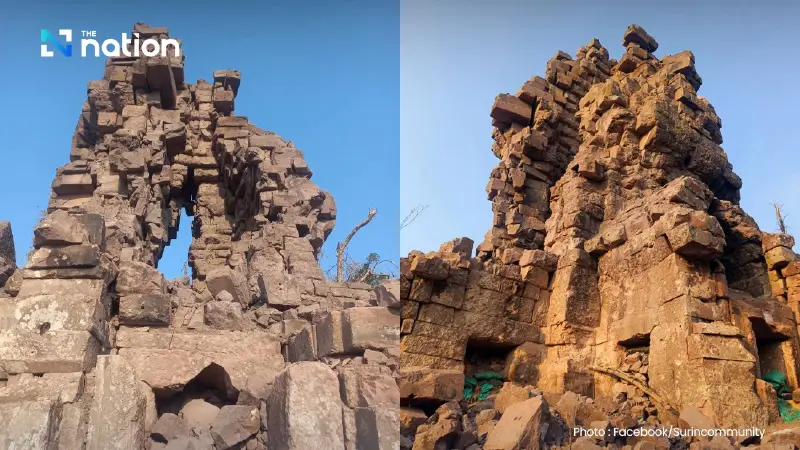


Fine Arts Department plans a THB20 million restoration of Prasat Ta Kwai in Surin after damage from Thai-Cambodian border clashes.
Fine Arts Department sets two-year plan for Surin site
The Fine Arts Department is preparing to restore Prasat Ta Kwai, a historic border sanctuary in Phanom Dong Rak district of Surin, with concrete work expected to begin under the 2027 fiscal budget.
Phanomboot Chantarachot, director-general of the Fine Arts Department, said the project would be carried out with support from the Ministry of Culture and the Ministry of Defence, with the budget capped at THB20 million. The restoration is expected to take about two years.
Survey, excavation and structural work to come first
The department will begin with a detailed survey of the area and archaeological excavation around the sanctuary to search for additional historical evidence.

Officials will then reinforce the foundation before moving to the conservation stage, which will include dismantling fallen bricks and stones and reassembling them using the anastylosis method. Each piece will be marked and coded so it can be returned as closely as possible to its original position.
Old and new materials to be clearly separated
Initial surveys found that about 40-50% of the original bricks remain usable. The damaged sections will be supplemented with new materials, but officials said the new additions would be made clearly distinguishable from the original structure in line with international conservation practice.

The work will be handled by a multidisciplinary team from the 10th Regional Office of Fine Arts in Nakhon Ratchasima, bringing together architects, engineers, archaeologists and innovation specialists.
Modern technology will also be used to improve safety and efficiency during restoration.
Military to secure border restoration site
Because Prasat Ta Kwai sits in a sensitive border area, the Ministry of Defence will assign military personnel to help secure the site and protect Fine Arts Department officials throughout the project.
Phanomboot said the restoration was not only a matter of repairing an ancient monument, but also of preserving a place with deep emotional meaning.
“Ta Kwai Castle is more than just an ancient ruin; it is a symbol of sacrifice and Thai patriotism. This restoration is akin to breathing life back into the soul of our history,” he said.
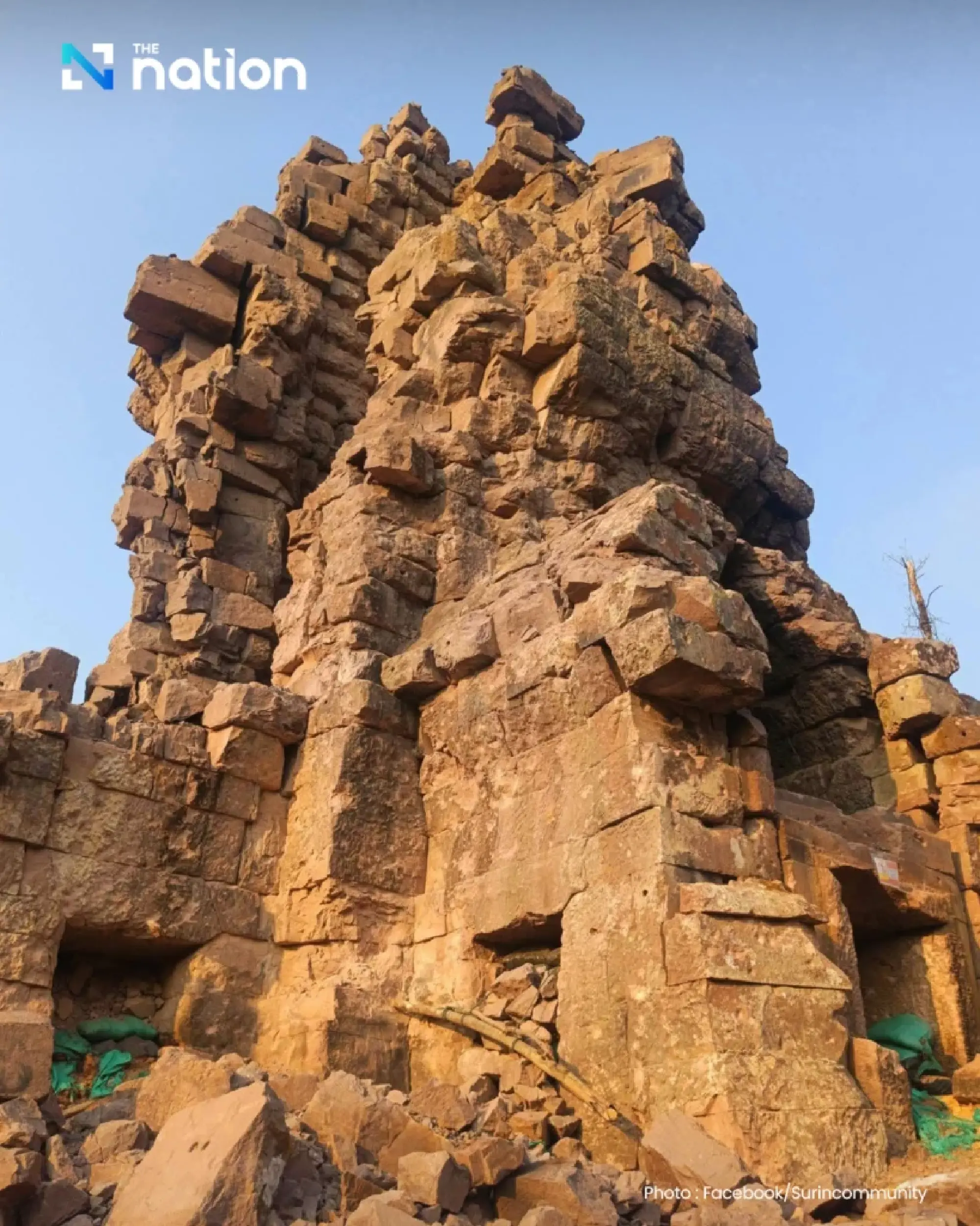

Border fighting and damage to the sanctuary
Prasat Ta Kwai is located along the Thai-Cambodian border, an area long shaped by competing territorial claims, undemarcated boundary points and disputes over ancient Khmer-era temples. Thailand and Cambodia have argued for decades over parts of their 817-kilometre land border, with ancient temples including Ta Muen Thom and Preah Vihear central to past tensions.
The latest major escalation began in July 2025, when fighting broke out near Ta Muen Thom and spread to several border locations. Both countries accused the other of firing first. Thailand reported civilian deaths and injuries, while Cambodia accused Thailand of aggression and sought international attention over the clashes.

