The Psi Scott boat-clip controversy offers a costly lesson on social media, conservation work and public-sector limits
Siranudh “Psi” Scott, once widely known online as Thailand’s “merman” for his marine conservation work, has come back into public focus after a long-running controversy over a viral boat clip reshaped both his public image and his role in official conservation work.
Psi, who has since announced that he has changed his name to Sai Samut, rose to prominence through his work to protect Thailand’s seas.
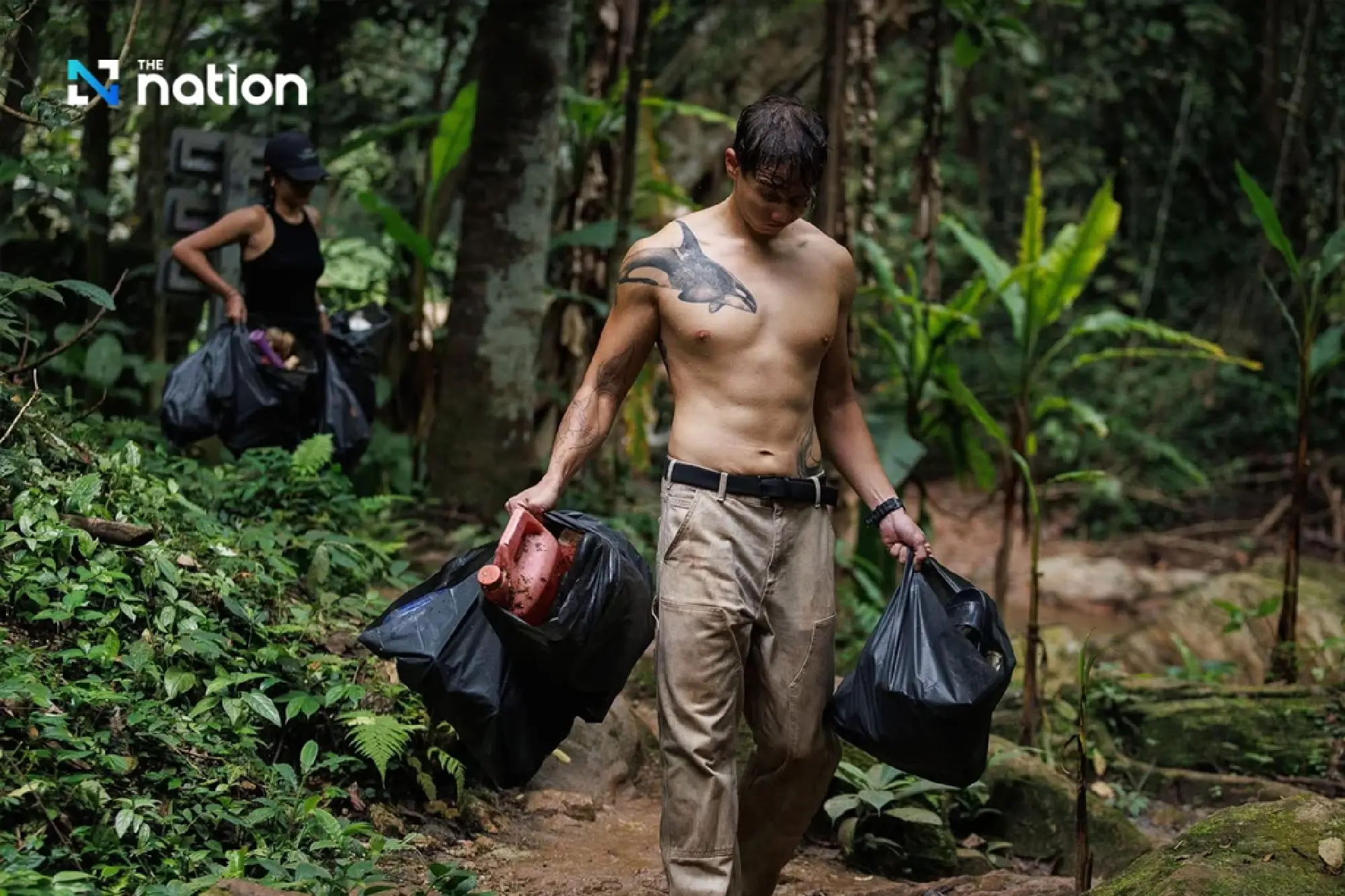
His activities included diving to collect underwater rubbish, campaigning against plastic waste and promoting public awareness through the Sea You Strong project, which worked with volunteers, divers and coastal communities across the country.
His public profile later brought him into the state conservation system.
In 2024, he was appointed as an unpaid adviser to the director-general of the Department of National Parks, Wildlife and Plant Conservation.
However, his move from independent activism into a formal government-linked position soon became complicated by public controversy, differences in working culture and wider debate over how environmental campaigns should operate in the social media age.
Viral boat clip becomes turning point
The controversy centred on a video clip involving tourist boats and marine wildlife.
At the time, the clip drew heavy online criticism against tourism operators, with many viewers believing boats or tour businesses had been linked to conduct that harmed coral reefs or violated national park regulations.
The matter was later clarified as not being a case of fabricated boat images, as some people had initially believed.
Instead, the issue concerned the editing and presentation of video footage in a way that critics argued distorted the wider context.
Psi had posted a clip warning against tourists touching and feeding sea turtles, conduct widely regarded as inappropriate and harmful to marine life.
However, the video also included images and the name of ThaiMarine Exclusive Voyage Co Ltd, prompting the operator to argue that short segments from different moments had been edited together in a way that misled the public.
The company said the clip created the impression that its boat was involved in illegal activity, causing serious business damage.
It later pursued legal action against Psi on defamation and computer-crime allegations.
The dispute also extended to a boat manufacturer whose vessel image was used in content related to turtle feeding.
The manufacturer argued that the way the image was presented led some viewers to believe it was operating illegal tour services, and it also pursued legal proceedings.
The case has since been cited as a cautionary example of how online communication can quickly reshape public perception.
A conservation message intended to raise awareness can, if presented without full context, expose campaigners to legal risk and reputational damage.
The controversy was followed by further debate over Psi’s work style, public communication and ability to fit within the structure of a government agency.
On April 21, 2025, Atthapol Charoenchansa, director-general of the Department of National Parks, Wildlife and Plant Conservation, acknowledged that differences in thinking, working methods and organisational culture could make continued cooperation difficult within a bureaucratic framework.
Psi later announced on social media that he was stepping away from his role at the department.
In his message, he said he had chosen to sacrifice work he loved and his position in order to reflect the truth about problems affecting the southern seas. He wrote that his love for the sea was greater than any title.
Although he left the official position, Psi has continued environmental work independently through marine ecosystem campaigns, coral-reef protection, efforts to reduce marine waste and volunteer networks focused on environmental causes.
His story has therefore become more than a simple account of a person entering and leaving a government role.
It has raised broader questions about whether Thailand’s conservation work can bring together activist energy, public communication and the constraints of state agencies in pursuit of long-term protection for the country’s seas.
Family background and name change
Psi also drew attention because of his family background. He is the younger son of Jiranuch Bhirombhakdi and Sutis Ivor Scott, and is directly linked by blood to the Bhirombhakdi family.
His maternal grandfather was Chamnong Bhirombhakdi, a former chairman of Boon Rawd Brewery and a son of Phraya Bhirombhakdi, the founder of the company behind the Singha business group.
Through this family line, Psi is a cousin of Chitpas Kridakorn, formerly Chitpas Bhirombhakdi, whose father was the late Chutinant Bhirombhakdi, Psi’s maternal uncle.
Psi’s brother, Pi Sunit Scott, was later named in serious allegations involving violence within the family. Following the controversy, Boon Rawd Brewery, led by group chief executive Bhurit Bhirombhakdi, issued an official statement expressing sorrow over what had happened to Psi, declaring its opposition to domestic violence and removing Pi Sunit from all positions in the company.
Psi has since publicly stated that he wants to step away from the family connection and be remembered as “Sai Samut”, marking a new life on his own path as an independent marine conservationist.