
Ang Thong oil depot case shakes energy sector as DSI summons six major refineries
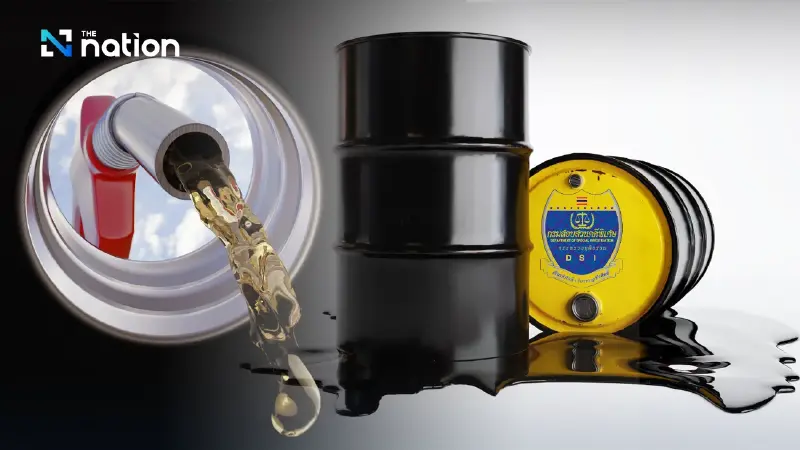


The DSI has expanded its probe into the Ang Thong oil depot case, summoning six major refineries to hear charges and prompting the Energy Ministry to suspend fuel fund compensation for accused traders.
The Ang Thong oil depot case has sent shockwaves through Thailand’s energy sector, with the Department of Special Investigation (DSI) expanding its probe to cover six major refineries.
The move follows the Energy Ministry’s submission of additional evidence in the Ang Thong oil depot case to the DSI last month.
Most recently, Thitipas Chotedechachainan, secretary to the Minister of Energy and chair of the Intensive Review Committee for Energy Reform, posted an update on her personal Facebook page about progress in the case.
She said Surat Sukcharoenkrisri, the younger brother of “Sia Tue”, had met DSI investigators and acknowledged charges under the Fuel Trade Act B.E. 2543 (2000) on Saturday, June 6.
In the case involving six Section 7 oil traders, or refineries, the DSI has now issued summonses for all six major refinery operators to hear charges in Special Case No. 80/2026 on June 11-12, 2026.

Under the policy of Energy Minister Akanat Promphan, any oil trader accused and prosecuted in the case will have fuel fund compensation payments suspended during the period of prosecution until the court proceedings are completed.
In addition, documentary evidence relating to transport invoices from all six traders will be handed to the subcommittee responsible for monitoring and inspecting the implementation of measures, as well as the operations of state agencies.
The subcommittee will further investigate whether any government agencies or state officials were involved.
The Ang Thong case began as an investigation into alleged irregularities at an oil depot operated by Trillion Petro Trading Co Ltd, after officials found missing daily fuel movement reports and discrepancies between reported diesel stock and actual movements. The Department of Special Investigation accepted the case as a special case on April 22, with allegations including illegal fuel trading and fuel adulteration that may have caused fuel quality to differ from official standards.
The case emerged during a period of heightened concern over fuel supply, pricing and possible profiteering, after tensions in the Middle East pushed global energy markets higher and prompted Thai authorities to tighten oversight of the fuel trade. The Department of Energy Business later ordered Section 7 oil traders, including major traders and refineries, to display daily prices and stock levels at refineries and depots, report stock and selling-price data by 6pm each day, and record every fuel shipment leaving depots through the Fuel Distribution Monitoring system.

The widening of the probe to six major refineries is significant because it moves the investigation beyond a single depot and into the upstream fuel supply chain. Investigators are now looking at whether transport invoices, stock reports and actual fuel movements were consistent, and whether any wider network was involved in irregular trading, hoarding or adulteration.
The Energy Ministry’s decision to suspend compensation from the Oil Fuel Fund for any accused trader also raises the stakes for the industry. The move is intended to prevent state support from flowing to operators under prosecution, while authorities wait for the courts to determine whether any wrongdoing occurred. Officials are also examining whether state agencies or government officers may have played any role in the alleged irregularities.
