
Four-stage ‘Super El Niño’ timeline warns Thailand to prepare for worsening crisis
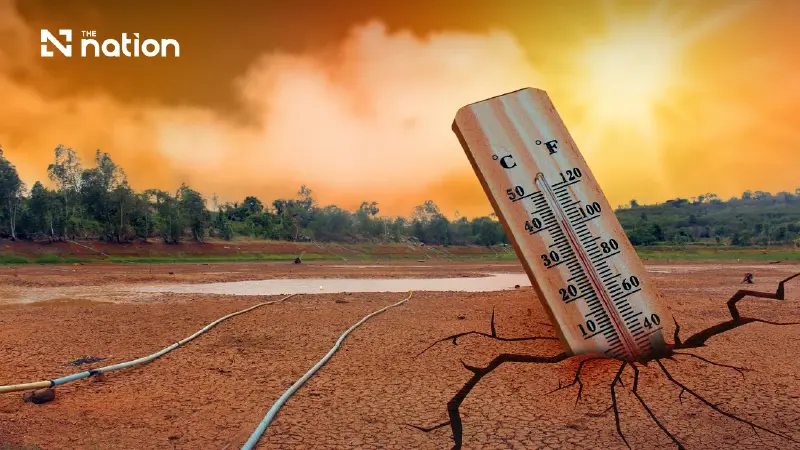


A marine ecology expert has outlined a four-stage Super El Niño timeline, warning Thailand to prepare for worsening drought, extreme heat and possible water shortages through mid-next year.
- A four-stage timeline warns that a "Super El Niño" event will cause a worsening crisis in Thailand, escalating from dry spells to severe drought and water shortages lasting until mid-2024.
- The phenomenon will intensify progressively, starting with near-normal conditions (June-July), moving to reduced rainfall (Aug-Oct), and reaching a peak phase with a hot, dry winter (Nov-Jan).
- The most severe accumulated impacts are predicted for February-June, featuring critical water shortages, extreme heat with feels-like temperatures up to 50°C, and damage to marine ecosystems.
Warning signs of a “Super El Niño” are becoming clearer, and Thailand may not have much time left to prepare before the situation escalates from dry spells to drought, extreme heat and a water-shortage crisis that could last until the middle of next year.
Assistant Professor Dr Thon Thamrongnawasawat, a marine ecology expert and deputy dean of the Faculty of Fisheries at Kasetsart University, has outlined a four-stage timeline, identifying key turning points in the crisis.
He warned that unless water management is accelerated from today, the crisis will gradually build in severity before triggering impacts on water resources, agriculture, the environment and the economy.

Four-stage timeline from onset to peak
Dr Thon divided the El Niño situation in Thailand into the following phases:
Phase 1, June-July:
This is the early stage of the phenomenon. Weather conditions will remain largely normal, although there may be some variability and warmer periods.
Phase 2, August-October:
The intensity will rise to the second level. Impacts will become more visible as rainfall starts to pause for longer periods and falls below normal levels. At the same time, higher sea temperatures in the South China Sea could make typhoons stronger or more likely to form than usual.
Phase 3, November-January:
Thailand will fully enter the “Super El Niño” phase, when the phenomenon reaches its peak. The country’s winter season will be hotter than usual, while rainfall will drop sharply, leading to dry conditions.
Phase 4, February-June:
Although the intensity of El Niño will begin to ease, its accumulated impacts will be at their most severe, especially the risk of water shortages caused by low water reserves.

Warning over extreme heat and marine impacts
Dr Thon added that during Phase 4, from February to May, Thailand will face extremely hot weather, with the feels-like temperature possibly reaching 50 degrees Celsius.
The unusual dryness will also increase the risk of forest fires and PM2.5 air pollution, particularly in April.
“In terms of marine ecosystems, Phase 4 will be the period when the sea is hit hardest because it coincides with Thailand’s summer. Sea temperatures will become very high, increasing the risk of coral bleaching, seagrass degradation and wider impacts on coastal aquaculture and fisheries,” he said.
Recommendations and impacts on stakeholders
This Super El Niño phenomenon is expected to affect many sectors.
The public:
People should prepare for extreme heat, take care of their health and store water for consumption and daily use.
Agriculture and business:
Dry spells and lower water availability will directly affect production costs, especially for farmers and coastal aquaculture operators who will face unusually warm seawater.
The government:
Authorities need to plan water management carefully and early, as water reserves towards the end of the year may not be sufficient for use during next year’s dry season.
“We are still in the first phase, when water can still be collected, so we should quickly store water as reserves. Once we enter Phases 2 and 3, water levels will decline, and the crisis will become most severe in Phase 4,” Dr Thon said.
