
Industry Ministry probes Bo Win waste site after foam flood destroys village wall
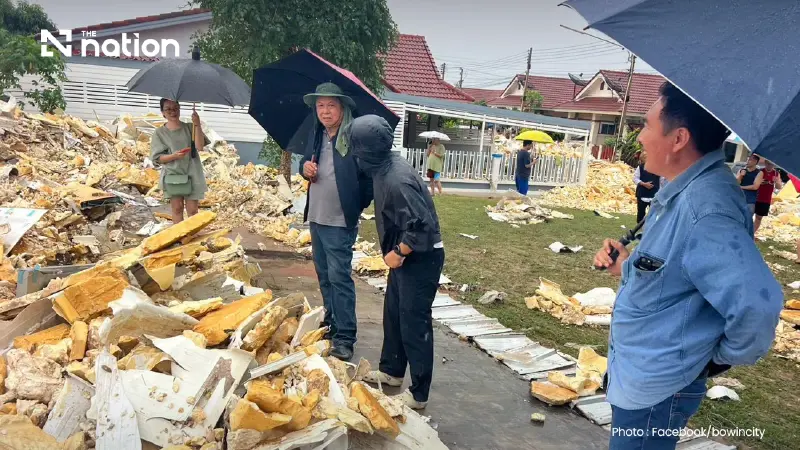


Industry Minister Varawut Silpa-archa has ordered an inspection of a waste-sorting site in Bo Win, Chonburi, after heavy rain swept foam waste into a nearby housing estate, causing a wall to collapse and raising questions over whether the site was operating as an unauthorised factory.
The Industry Minister has ordered an inspection of a waste-sorting site in Bo Win, Chonburi, after heavy rain swept a mass of foam debris into a nearby housing estate, collapsing a village wall and raising questions over whether the operation should be treated as an unauthorised factory under the law.
Industry Minister Varawut Silpa-archa said he had instructed Pornyot Klankrong, director-general of the Department of Industrial Works, to coordinate with the Chonburi Provincial Industry Office to inspect the site in Bo Win subdistrict, Si Racha district.
The order followed reports that heavy rain sent floodwater and waste debris surging into the fence of a housing estate, causing part of the wall to collapse and affecting several households.

Waste site faces factory-law scrutiny
Varawut said authorities would examine whether the site meets the legal definition of a factory.
If inspectors find evidence such as the use of machinery, including loaders or forklifts, employment of workers meeting the legal threshold, and business operations involving waste sorting, landfill or recycling, the site could be considered a factory under the law.
If all legal elements are met, the Department of Industrial Works and the Chonburi Provincial Industry Office will immediately take legal action under the Factory Act BE 2535, or 1992.

Operator could face jail or fine if unlicensed
The minister said legal action could be taken for setting up and operating a factory without permission, in violation of Section 12 of the Factory Act.
The offence carries a penalty of up to two years in prison, a fine of up to 200,000 baht, or both, under Sections 50 and 52.
Authorities could also order the operator to halt unlawful activities, suspend operations and immediately improve the foam-waste storage yard to ensure public safety.
Varawut said he had ordered the Department of Industrial Works chief to closely monitor the case and report progress periodically.

Heavy rain sweeps foam into housing estate
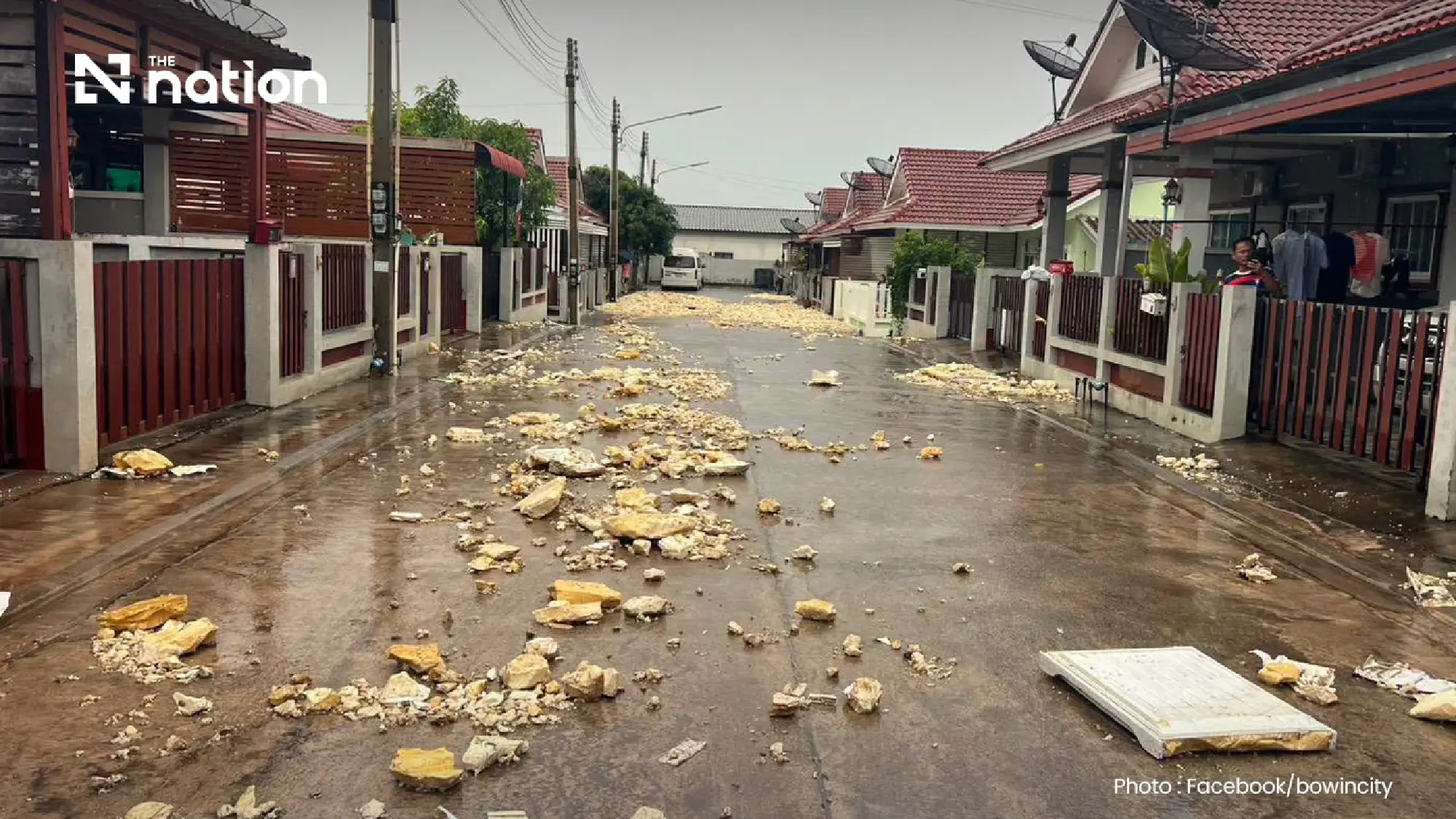
The incident occurred on the morning of July 4 after heavy rain fell throughout the night in Bo Win.
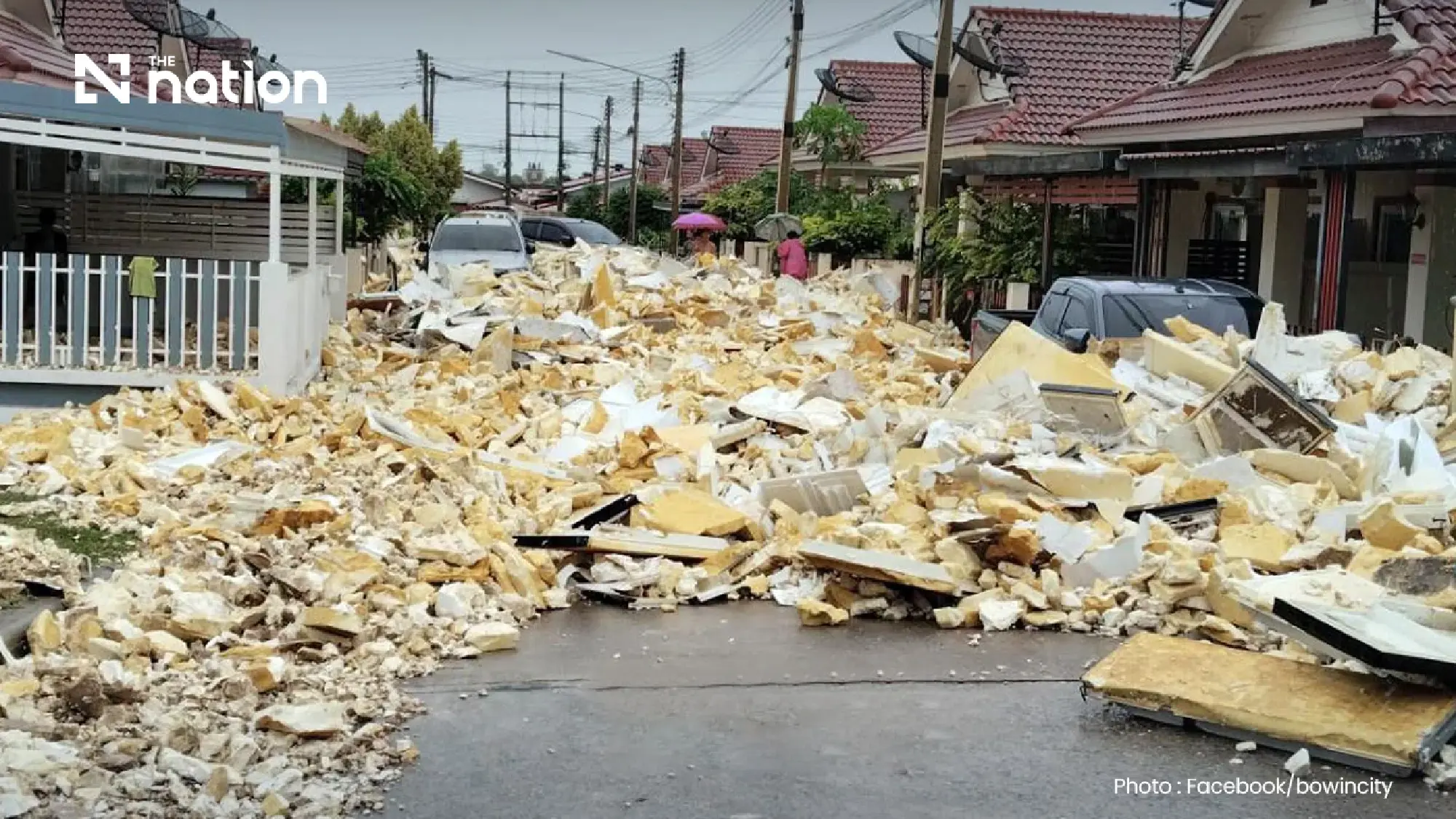
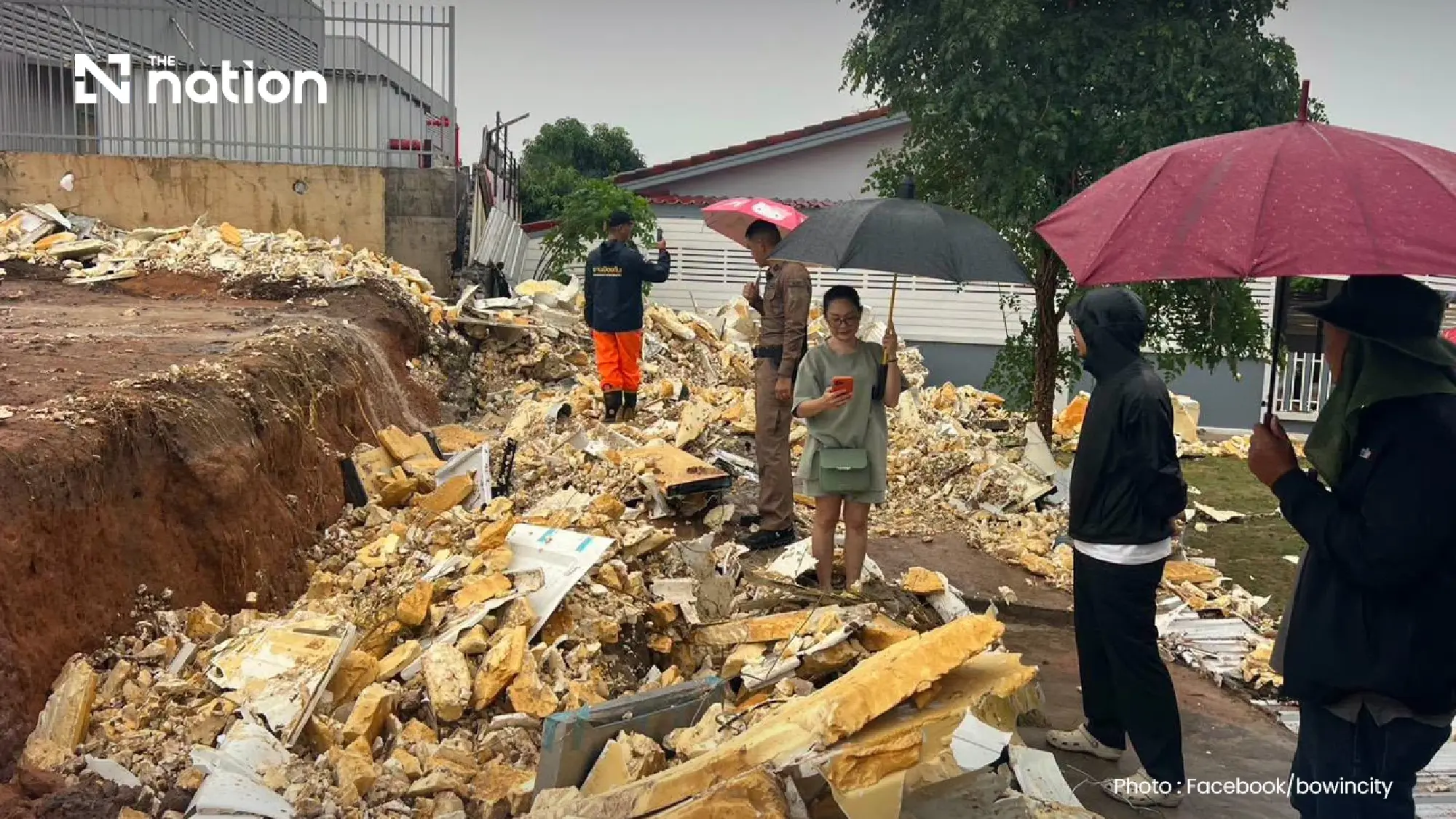
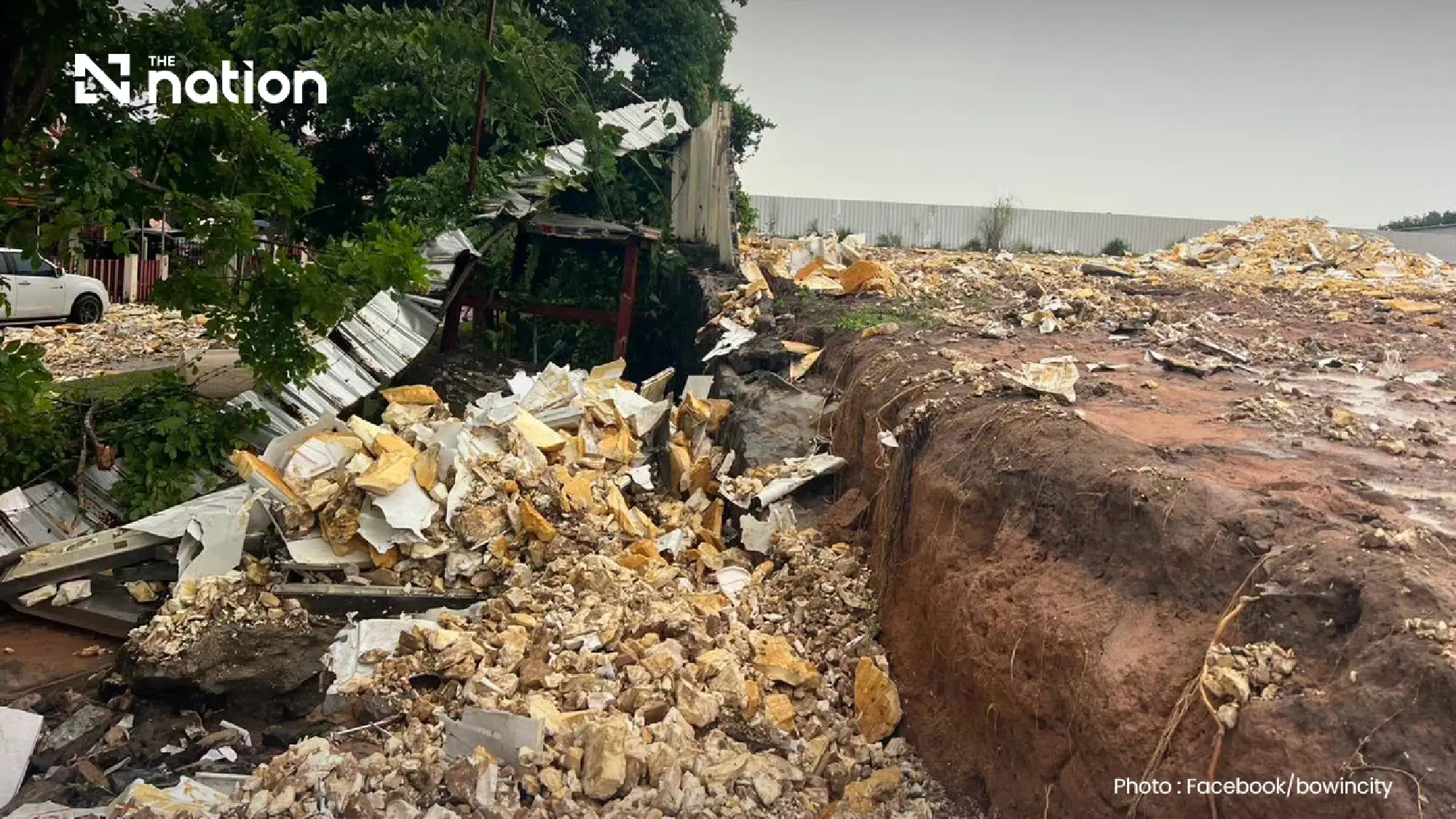
Floodwater reportedly swept foam debris from a waste-sorting site next to the housing estate into the residential project. The foam, said to come from old refrigerators and freezers, spread across the area and damaged several homes.
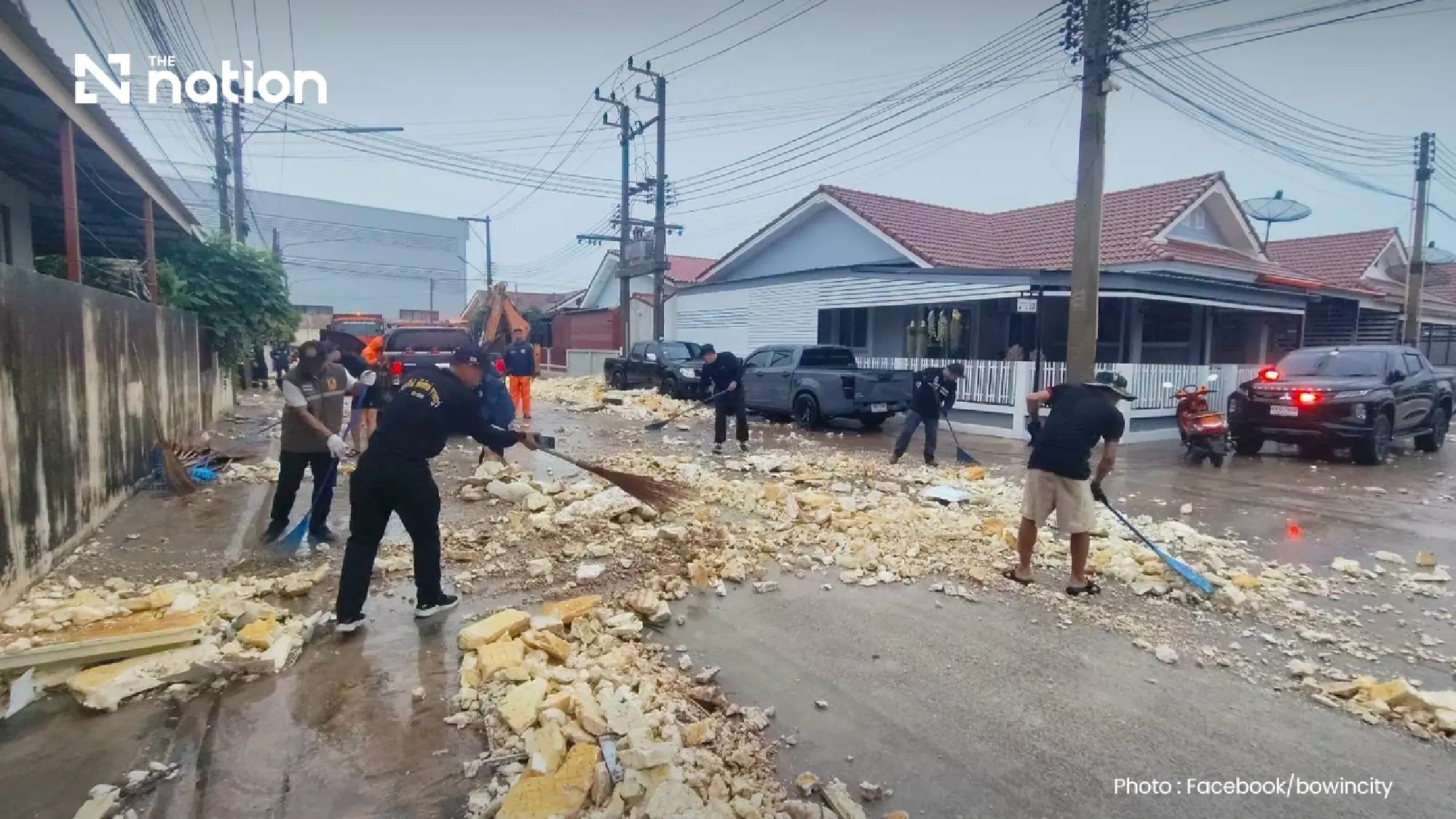
Officials from the Bo Win Tambon Administrative Organisation and related agencies later inspected the site, cleared foam debris and opened drainage channels to ease the impact on residents. Authorities are also preparing to survey and assess the damage.

Residents blame accumulated foam piles
Athit Inprasit, chairman of the housing estate, said the land behind the village was privately owned and had been divided into rental plots.
He said foreign operators had leased part of the land long-term to run a waste-sorting business involving old refrigerators and freezers. After valuable parts were removed, large amounts of foam waste were allegedly left piled up on the site.
When heavy rain hit the area, the foam waste was swept together into a large mass before pressing against the rear wall of the housing estate. The pressure caused a long section of the wall to collapse, allowing floodwater and foam debris to enter residents’ homes.
At least one house was damaged, while several households were affected.

Villagers demand action to prevent repeat
Athit said the housing estate had experienced heavy rain before, but never an incident as severe as this. He believed the large accumulation of foam waste was a key factor because it absorbed water and was pushed by the current with enough force to break the wall.
Residents are now urging government agencies to investigate the waste-sorting operation, including whether its storage and disposal practices comply with the law.
They also called for authorities to assess the damage quickly and introduce preventive measures to ensure that a similar incident does not happen again.

