
Frigate decision tests continuity in Royal Thai Navy leadership
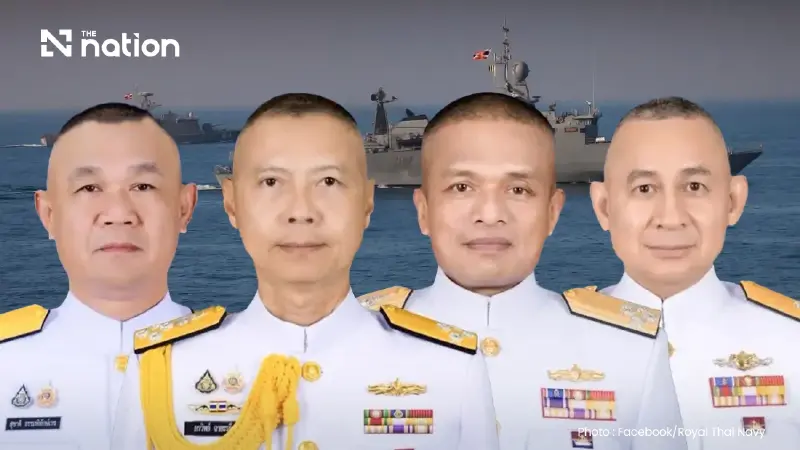


Thailand’s frigate decision comes weeks before a Navy leadership change, as three ageing warships near retirement and replacements take six to seven years to deliver.
The Royal Thai Navy’s imminent selection of a builder for its next frigate comes at a point when fleet renewal and command succession can no longer be treated as separate issues.
Navy commander-in-chief Admiral Pairoj Fuangchan has confirmed that the winning bidder will be announced before the end of July. Two months later, on September 30, he will retire from military service.
The timing means that Pairoj may oversee the selection, but his successor will inherit responsibility for carrying the project forward through contract negotiations, construction and delivery. With a new frigate expected to take six to seven years to complete, several Navy chiefs could serve before the vessel enters operation.

The contest involves six companies from four countries: HD Hyundai Heavy Industries and Hanwha Ocean of South Korea, Singapore Technologies Engineering, Türkiye’s ASFAT and TAIS, and Spain’s Navantia.
Frigate choice extends beyond a single procurement
The announcement will determine more than which shipbuilder secures the contract. It will set the direction of a long-term fleet-renewal programme at a time when several major warships are approaching the end of their service lives.
The Navy is procuring one frigate under the 2026 fiscal-year budget and plans to request funding for another vessel in fiscal 2028. Further ships would then be required if it is to meet its target of eight high-performance frigates by 2037.

Four would be assigned to protect Thailand’s maritime sovereignty and interests in the Andaman Sea, with another four operating in the Gulf of Thailand.
That timetable places continuity at the centre of the procurement process. Decisions taken by the current leadership will have to be implemented, monitored and defended by future commanders who were not necessarily involved in the original selection.
The possibility of complaints from unsuccessful bidders also remains a concern raised in the source material. No complaint has yet been established, but any challenge to the result could complicate the transition and add pressure within the Navy during the appointment of its next chief.
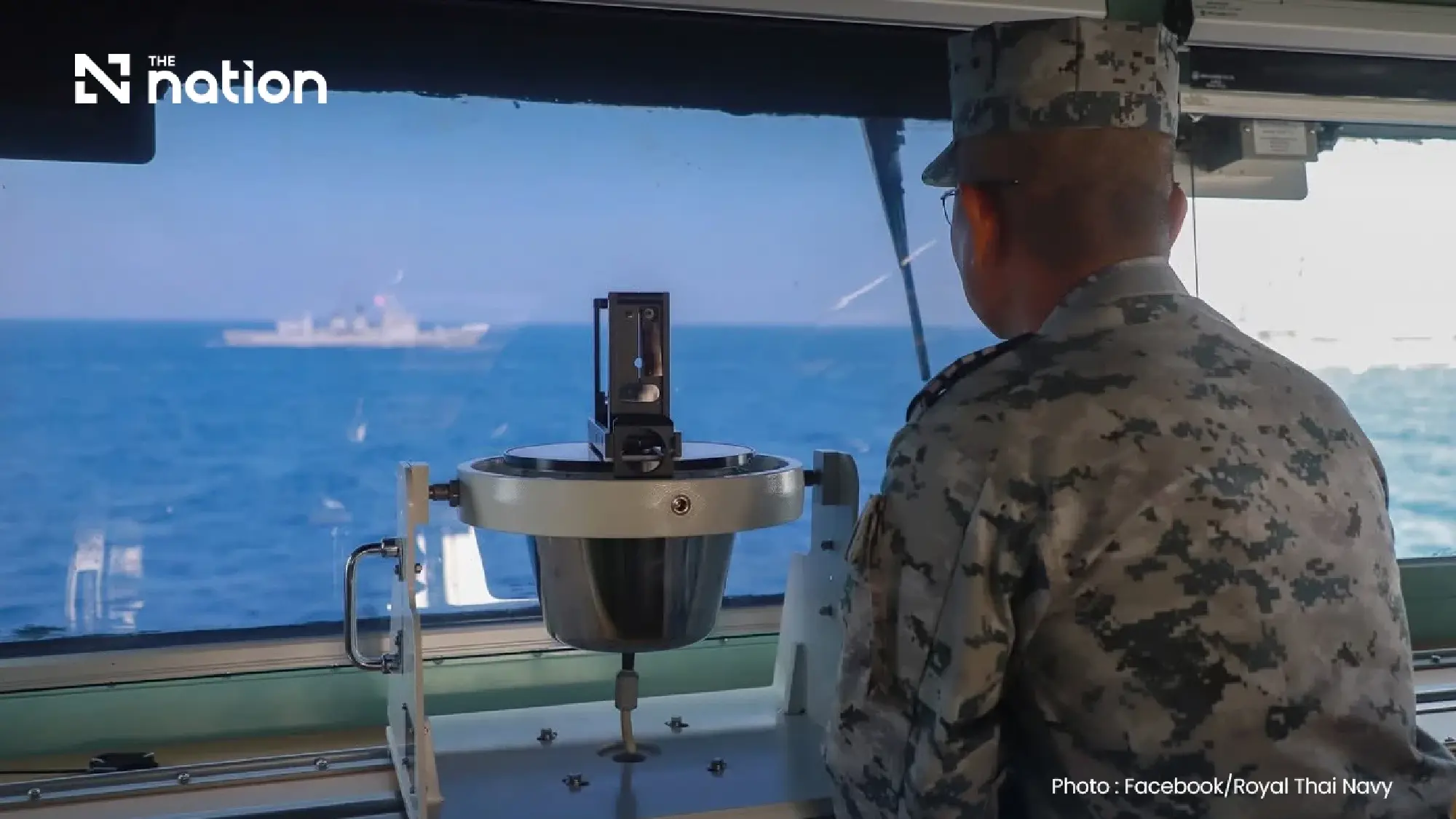

Ageing fleet leaves little room for delay
Pairoj has maintained that Thailand’s current naval forces remain capable of protecting the country’s maritime areas and are considerably stronger than Cambodia’s Navy.
Cambodia is expected to receive two Type 056 corvettes from China, adding them to a fleet described as comprising four to six older vessels. Pairoj’s assessment offers reassurance about Thailand’s immediate capabilities, but the more difficult question concerns how long the present fleet can retain that advantage.
Three of the Royal Thai Navy’s four serving frigates have already been in operation for more than three decades.
HTMS Rattanakosin is 40 years old and undergoing maintenance. HTMS Naresuan is 32 years old and listed as receiving logistics support, while HTMS Taksin is 31 years old and in the same status. HTMS Bhumibol Adulyadej, at seven years old, is listed as operational.
The wider patrol fleet presents a similarly uneven picture.
HTMS Makut Rajakumarn and HTMS Khirirat are 53 and 52 years old respectively. HTMS Chao Phraya and HTMS Bang Pakong are each 35 years old, while HTMS Kraburi and HTMS Saiburi are both 34.
The newer vessels include the 20-year-old HTMS Pattani and HTMS Narathiwat, the 13-year-old HTMS Krabi and the seven-year-old HTMS Prachuap Khiri Khan.
These figures explain why the frigate decision carries greater weight than an ordinary procurement announcement. Delays would not simply postpone the arrival of a new ship; they would widen the gap between the retirement of older vessels and the entry into service of their replacements.
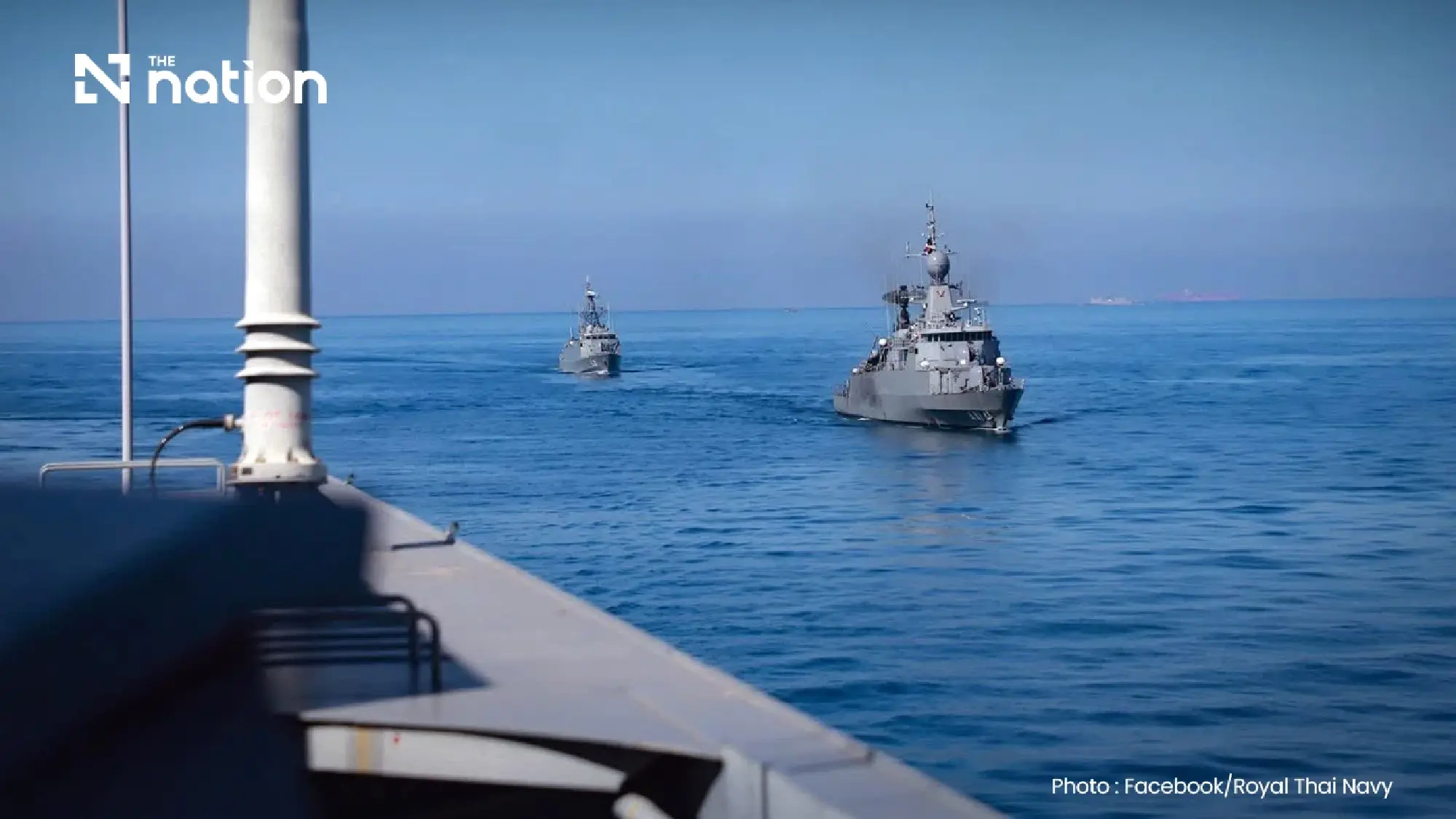

Six-year delivery cycle raises the value of continuity
The Defence Ministry has indicated that armed forces commanders should ideally have at least two years of service remaining when appointed.
The argument is that a one-year term offers insufficient time to carry major programmes from planning into implementation. The present chiefs of the other armed forces have longer periods in office: Chief of Defence Forces General Ukrit Boontanon has a two-year term, Army chief General Pana Claewplodtook has three years and Air Force chief Air Chief Marshal Seksan Kantha has two.
The Navy has repeatedly followed a different pattern.
A succession of commanders, including Admirals Somprasong Nilsamai, Choengchai Chomchoengpaet, Adung Phan-iam, Jirapol Wongwit and Pairoj, have had only one year before compulsory retirement.
That arrangement may be manageable during a period of routine administration. It becomes more difficult when the incoming chief must supervise a major warship programme, prepare a request for a second frigate and advance a broader restructuring of the fleet.
The Navy’s long-term plan calls for eight frigates, 10 offshore patrol vessels, 12 medium-range patrol vessels and 18 inshore patrol vessels.
It also envisages greater use of unmanned surface vessels, underwater vehicles and shipborne unmanned aircraft. HTMS Chakri Naruebet is expected to have its role adjusted so that it can serve as a mothership for unmanned aircraft.
The next commander will therefore inherit not only the frigate contract but a wider transition in the composition, technology and operating model of the fleet.
Four candidates embody the one-year or two-year choice
Four senior admirals are regarded as candidates to succeed Pairoj.
Deputy Navy chief Admiral Suchart Thampitakvech, a member of Armed Forces Academies Preparatory School Class 25, has one year of service remaining and is due to retire in 2027.
Royal Thai Navy assistant commander-in-chief Admiral Nares Wongtrakul, from Class 26, has two years remaining and is scheduled to retire in 2028.
Navy chief of staff Admiral Thadawut Thadpitakkul, a member of Class 27, also has two years before retirement in 2028.
Royal Thai Fleet commander-in-chief Admiral Korawit Chayarathi, from Class 26, has one year remaining and will retire in 2027.
The selection will therefore reveal whether the Navy retains its established pattern of appointing a chief for a single year or shifts towards the Defence Ministry’s preference for a longer tenure.
A two-year appointment would not guarantee that the frigate programme proceeds without difficulty. Even that term would cover only part of a construction process lasting up to seven years. It could, however, provide more time to establish procurement oversight, prepare the next funding request and maintain direction during the early stages of fleet restructuring.
Procurement outcome may shape the leadership transition
The frigate selection and Navy reshuffle are formally separate processes, but their timing ensures that each will influence the atmosphere surrounding the other.
A smooth procurement decision would allow the incoming leadership to focus on implementation and the next phase of fleet renewal. A contested result, particularly if unsuccessful bidders submit complaints, could force the new commander to manage contractual, institutional and reputational pressures from the beginning of the term.
There is no confirmed indication that such disputes will occur. The possibility should therefore not be presented as an established conflict within the Navy.
What is already clear is that the next commander will take office with limited room for delay. Three ageing frigates are approaching retirement, a second ship is expected to be proposed in fiscal 2028, and the first newly selected vessel may not be delivered until well into the tenure of a later Navy chief.
The July decision will identify the shipbuilder. The September appointment will help determine whether the Navy can sustain the programme after the selection has been made.
Source: Bangkokbiznews
