
Thai Expert Urges ‘Board of Peace’ Entry to Shield Exports from Trump Tariffs


International economist Dr Ath Pisalvanich warns Thailand must form a full government by 8 March or risk losing vital trade concessions to the US
- A Thai economist urges the country to join the "Board of Peace" as a political gesture to improve relations with the Trump administration and facilitate trade negotiations.
- Thailand's current caretaker government status is a major obstacle, as it cannot finalize agreements to secure 0% tariff exemptions, leaving exports vulnerable to a baseline 19% tariff.
- The expert warns that a full government must be formed by a March 8th deadline to avoid significant economic damage and falling behind regional competitors who are already securing favorable US trade deals.
International economist Dr Ath Pisalvanich warns Thailand must form a full government by 8 March or risk losing vital trade concessions to the US.
Thailand must urgently join the "Board of Peace" and stabilise its domestic politics to avoid being sidelined in crucial trade negotiations with the United States, a leading international economist has warned.
Associate Professor Dr Ath Pisalvanich cautioned that Thailand’s current caretaker status is stalling high-stakes dialogue with the Trump administration.
While regional neighbours such as Indonesia and Vietnam have already secured significant trade milestones, Thailand’s lack of a fully empowered government threatens its competitive edge in the American market.
The Regional Race
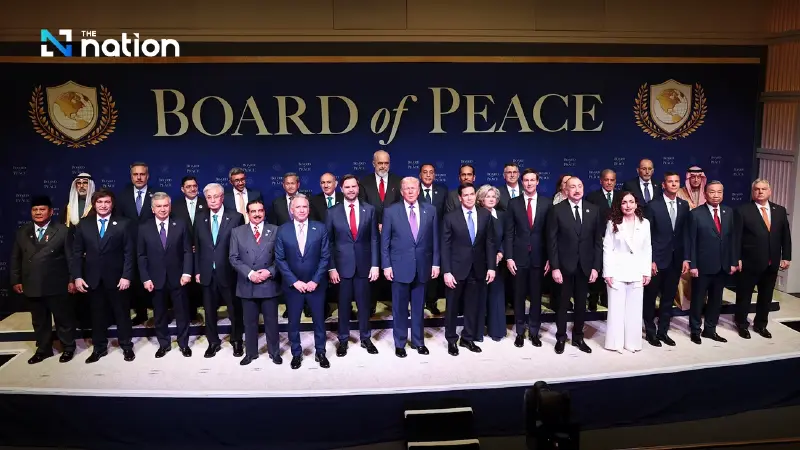
The warning follows a recent breakthrough in Washington, where Indonesia signed a new trade agreement during a Board of Peace summit on 19 February.
With Vietnam, Cambodia, and India also making headway, and Malaysia and Singapore expected to follow suit, Dr Ath suggests Thailand is fast approaching a strategic disadvantage.
"The slower the government is formed, the greater the impact on negotiations," Dr Ath stated. "This is an urgent matter affecting exports, foreign investment, and overall economic confidence."
The 19% Hurdle
While a baseline tariff of 19% appears inevitable under current US policy, Dr Ath noted that the "real battle" lies in securing 0% tariff status for specific Thai goods.
Achieving these exemptions requires deep, technical negotiations that a caretaker administration simply cannot sign off on.
The Office of the United States Trade Representative (USTR) remains unable to formalise agreements until a Thai government with full executive authority is established.
Dr Ath has set a "red line" date of 8 March 2026, arguing that any further delay would be economically "damaging."
Political Leverage
To thaw relations, Dr Ath recommends Thailand join the "Board of Peace" as a gesture of goodwill.
He argues that the Trump administration increasingly views trade through a political lens, and participation would signal a constructive stance without compromising Thailand’s long-standing neutrality.
Key sticking points remain, however, particularly regarding the opening of Thai markets to US agricultural imports, such as pork.
Dr Ath suggests Thailand must identify "bargaining chips" across thousands of product lines to secure the same concessions previously afforded to European partners.
Beyond diplomacy, the expert urged the state to capitalise on geopolitical shifts.
By aggressively promoting "China Plus One" and "Europe Plus One" strategies, Thailand could attract manufacturers looking to diversify their supply chains and escape the direct impact of US-China trade volatility.
