
Transport Minister opposes contract amendment for high-speed rail linking 3 airports
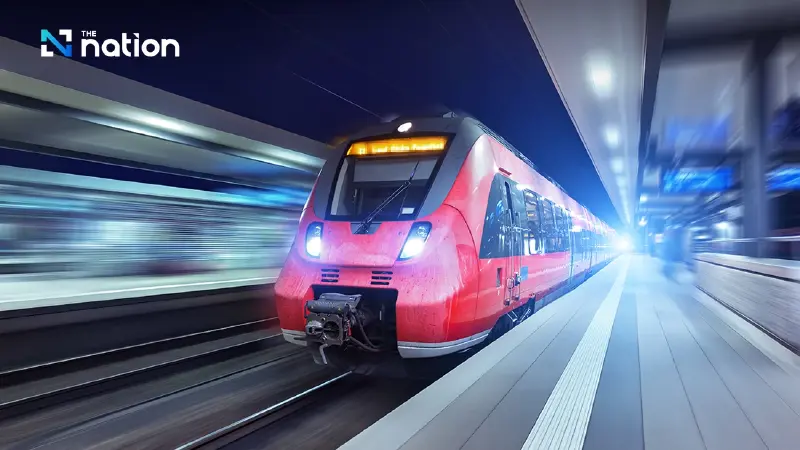


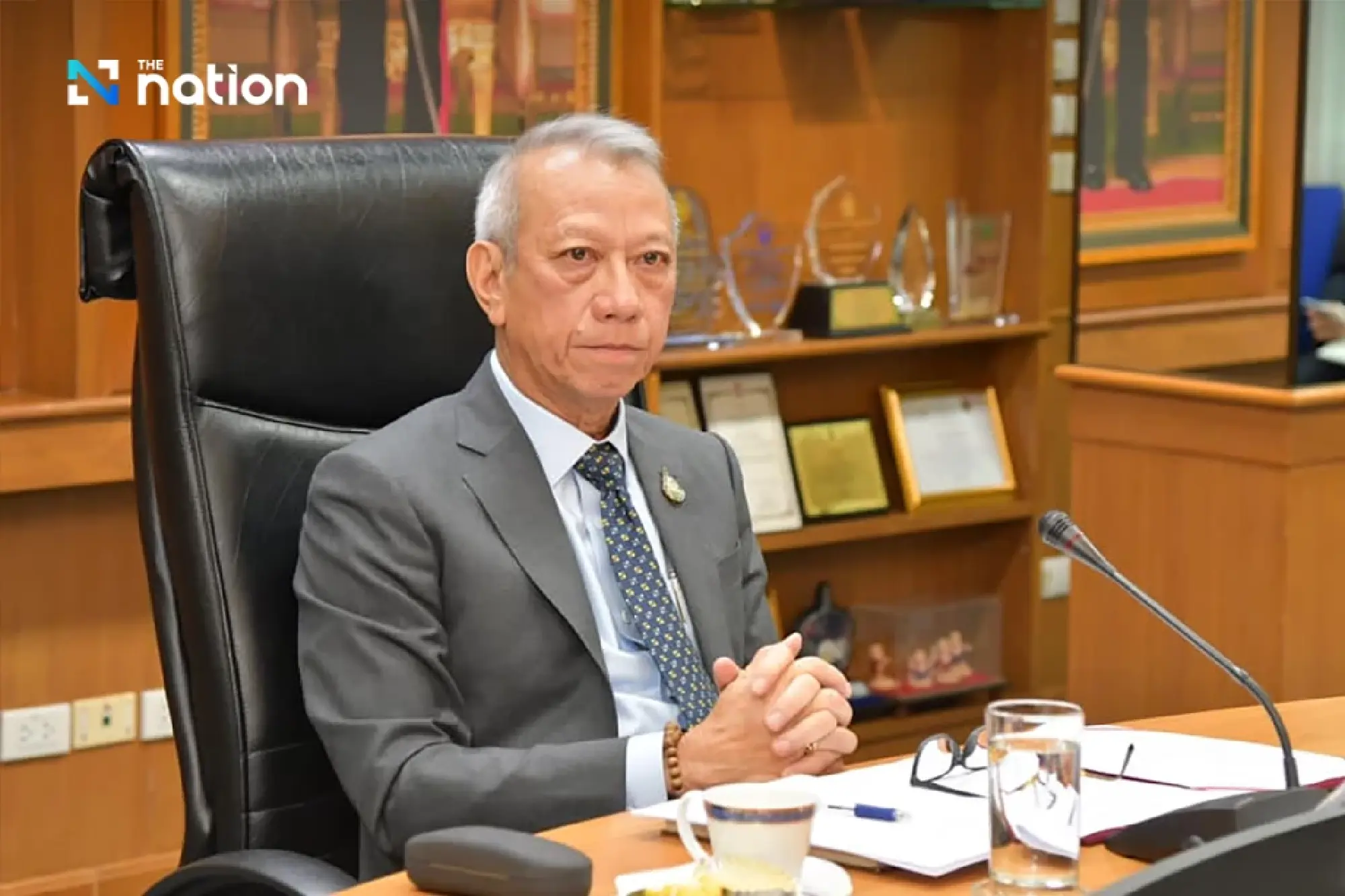
Deputy Prime Minister and Transport Minister Phiphat Ratchakitprakarn has rejected changes to the high-speed rail contract linking three airports and proposed new developments to boost EEC projects.
Transport Minister rejects amendment of high-speed rail contract
Deputy Prime Minister and Transport Minister Phiphat Ratchakitprakarn on Tuesday announced his opposition to amending the contract for the high-speed rail project connecting three airports (Don Mueang, Suvarnabhumi, and U-Tapao).
This decision was revealed ahead of a meeting of the Eastern Economic Corridor (EEC) Policy Board on Wednesday, which will review the progress of investment projects in the EEC, including updates on the high-speed rail project.
Phiphat emphasized that no changes should be made to the contract, despite the private sector’s request to amend the agreement due to the impact of COVID-19, which led to lower-than-expected passenger numbers.
"The contract should not be amended. As the Chairman of the EEC Board, I will not approve any changes to it," Phipat stated. He further clarified that if State Railway of Thailand (SRT) believes changes are necessary, it should take full responsibility for the legal risks involved.
EEC development plans to boost tourism and infrastructure
While rejecting the contract amendments, Phipat proposed a strategy to address the issue by boosting tourism and economic activity within the EEC area. He emphasized the need to increase the population in the region to maintain the original assumptions of the project, highlighting the EECity smart city initiative. The 15,000 rai development project would be strategically located just 10 kilometers from the high-speed rail station and 15 kilometers from U-Tapao International Airport, providing easy access to transportation networks for both local and international visitors.

World-class theme park and smart city proposed near U-Tapao Airport
In addition to the smart city, Phiphat proposed the development of a world-class theme park near U-Tapao Airport, located 15 kilometers from the high-speed rail station. This theme park would be connected to the rail system and developed alongside an international sports center to cater to a diverse range of tourists. Phiphat revealed that discussions are already underway with Thai and foreign investors, particularly from the Middle East, to co-invest in the theme park project.
“The theme park will be a key mechanism for attracting more passengers to the EEC and exceeding the original passenger estimates of the high-speed rail contract,” said Phiphat.
Regarding the potential involvement of Disneyland or similar global brands, Phiphat suggested exploring options like purchasing licensing rights or forming partnerships with local investors, rather than waiting for brand owners to invest directly. He assured that the project is feasible and will help Thailand reach its target of 40 million visitors annually, without the need to amend the high-speed rail contract.
A Ministry of Transport source confirmed that Phiphat Ratchakitprakar will meet with Anan Phothinimdaeng, Deputy Governor of SRT, on February 25 to discuss the proposed contract amendments. This follows a SRT Board meeting on February 19, which reviewed the amendments and is now in talks with the Attorney General’s Office to draft the revised contract.
