
Thai Air Force cuts energy use but keeps missions and training on track


The Royal Thai Air Force says it will tighten energy use during the Middle East crisis while maintaining essential missions, flight training and Cope Tiger 2026.
The Royal Thai Air Force said on Monday (March 9) that it would tighten fuel and energy use in response to the Middle East crisis and soaring oil prices, but would continue essential missions and maintain defence readiness. The policy follows Defence Minister Gen Nattaphon Narkphanit’s order for agencies under the ministry to adopt energy-saving measures, while the Royal Thai Air Force remains under the command of Air Chief Marshal Sakesan Kantha.
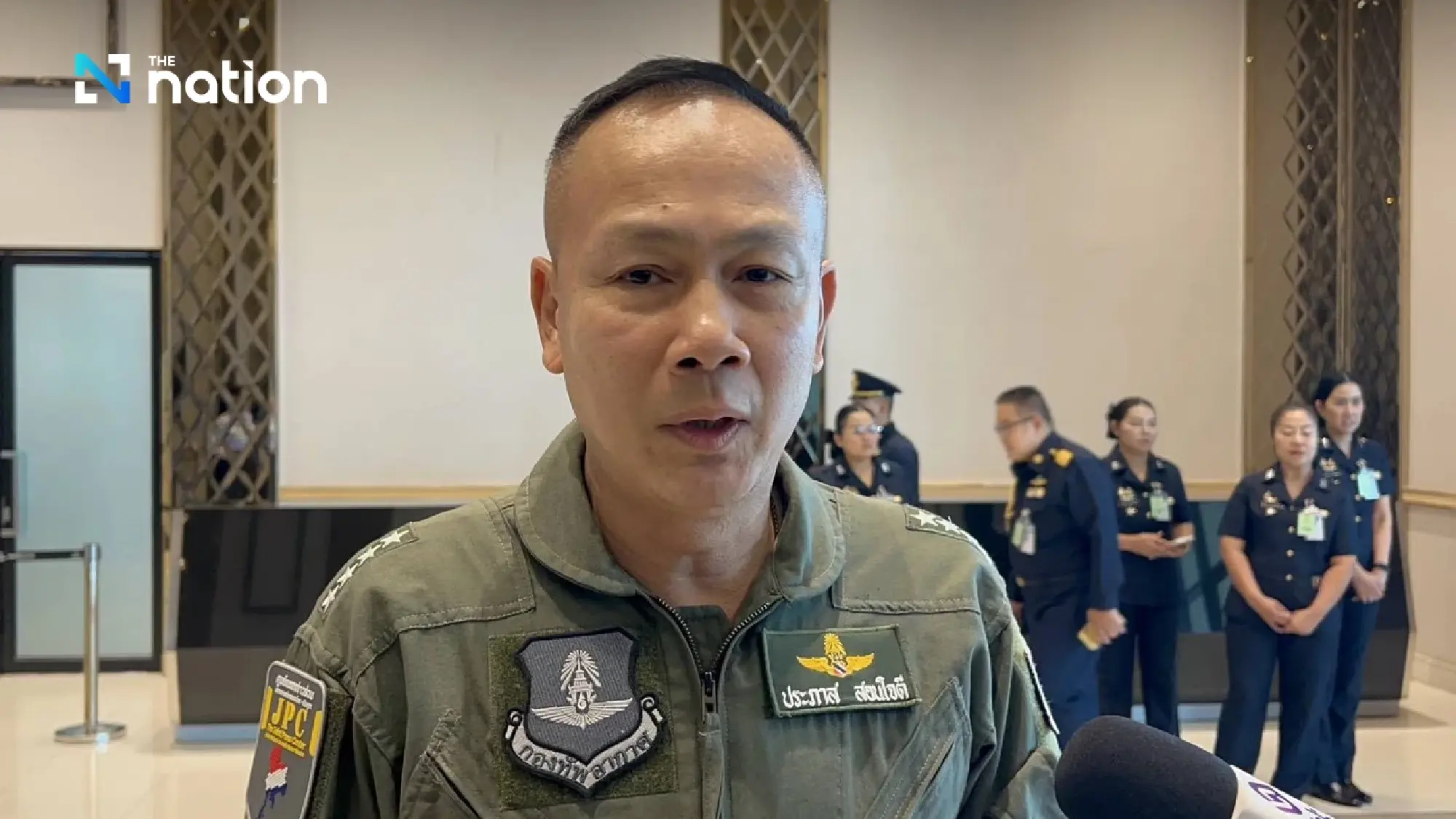
Speaking at Wing 6, Air Chief Marshal Prapas Sornchaidee, assistant commander-in-chief of the Royal Thai Air Force, said ground fuel use for support functions would be handled sparingly and only when necessary, while missions tied directly to operations and national security would continue in full. He said the Air Force had set aside aviation fuel for two main purposes: normal flying operations, including ongoing pilot training, and war reserves for emergency use.
Operational readiness remains the priority
Prapas said the public could be assured that the Air Force would manage fuel supplies carefully and keep enough in reserve to carry out missions to defend the country and its sovereignty in an emergency. He also urged both personnel and the public to recognise that the Middle East conflict was having a direct impact on Thailand, even though the country had already expanded oil procurement from other sources. Thailand’s broader crisis response has focused on energy stability and contingency planning as the conflict puts pressure on fuel markets.
He added that people should rely on information from official agencies and avoid overreacting to dramatic images online, warning that some content circulating during the crisis could be AI-generated or misleading.

Fuel use to be tightened under energy-saving policy
The Air Force’s approach reflects a wider Defence Ministry push to curb unnecessary energy use during the crisis. Official guidance issued in recent days called on agencies under the ministry’s supervision to reduce fuel consumption, cut back on air-conditioning use and avoid unnecessary travel, while preserving mission capability.
Prapas said the Air Force would adjust general energy use and encourage greater caution across the organisation, but stressed that these measures would not come at the expense of operational effectiveness.
Cope Tiger 2026 to proceed with stricter security
Prapas said the multinational Cope Tiger 2026 exercise would go ahead as planned and would not be disrupted by the regional crisis, although security measures would be stepped up. Royal Thai Air Force announcements say the exercise will be held from March 15-27, 2026 with the United States Air Force and the Republic of Singapore Air Force under the theme “Together We Fly, Stronger We Stand”.
He said the exercise remained a normal part of readiness planning, allowing pilots to gain experience, strengthen coordination with partner forces and exchange operational knowledge. Thailand, he added, is a peace-loving country and routine military drills should not be seen as a sign that it is being drawn into any external conflict. However, he said the Air Force would remain alert to any warning signs and would strengthen protection measures to ensure the safety of all personnel involved.
