
Thailand’s hotspots surge as cross-border haze risks grow
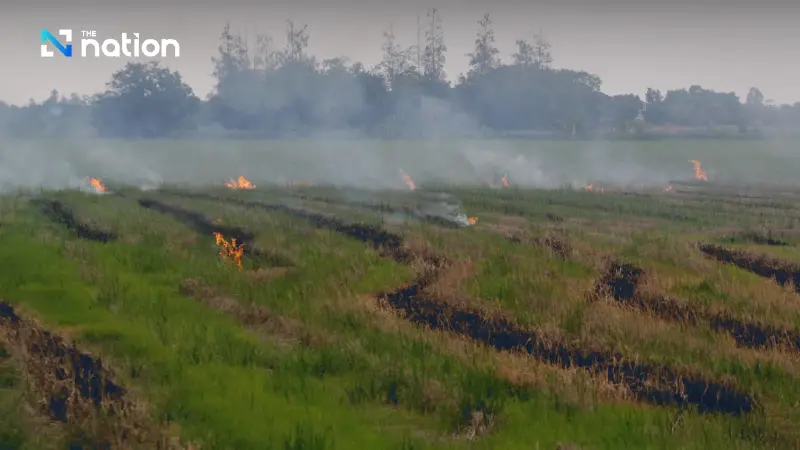


GISTDA reports a sharp rise in hotspots across Thailand, with forest areas hardest hit, raising concerns over worsening PM2.5 pollution and regional haze.
- Thailand recorded 1,136 hotspots, with the majority located in national reserved and conservation forest areas.
- The risk of transboundary haze is significant, as neighboring Myanmar reported a far higher count of 4,965 hotspots.
- Other nearby countries are also contributing to the regional problem, with Cambodia and Laos reporting 1,056 and 800 hotspots, respectively.
Geo-Informatics and Space Technology Development Agency (Public Organisation), or GISTDA, reported the latest hotspot situation based on Suomi NPP satellite data from the VIIRS system on Monday (March 9), showing that Thailand recorded as many as 1,136 hotspots, with forest areas remaining the main target of wildfire encroachment.
A closer look at affected areas: Thailand’s forests under severe strain
An area-by-area analysis found that hotspots were distributed across risk zones as follows:
- National reserved forest areas: 356 hotspots (the highest number)
- Conservation forest areas: 340 hotspots
- Agricultural areas: 167 hotspots
- Community and other areas: 144 hotspots
- ALRO land reform areas: 115 hotspots
- Areas along highways: 14 hotspots
These figures reflect a wildfire situation that is seriously affecting ecosystems, particularly in densely forested zones, which may also worsen dangerous levels of PM2.5 fine particulate pollution.

Regional situation: Myanmar still ranks first
Thailand is not the only country facing this crisis.
Across the ASEAN region, a large number of accumulated hotspots continue to be detected, potentially contributing to transboundary haze pollution.
The figures are as follows:
- Myanmar: 4,965 hotspots
- Cambodia: 1,056 hotspots
- Laos: 800 hotspots
- Vietnam: 262 hotspots
- Malaysia: 58 hotspots
Data from the Suomi NPP satellite helps officials assess the situation and deploy to affected areas more accurately in order to contain incidents.

Information channels
Members of the public and relevant agencies can follow real-time hotspot reports and check disaster-risk areas on GISTDA’s official website: https://disaster.gistda.or.th/fire
