
Thai Government Signals Post-Subsidy Fuel Hike as Middle East Conflict Strains Reserves
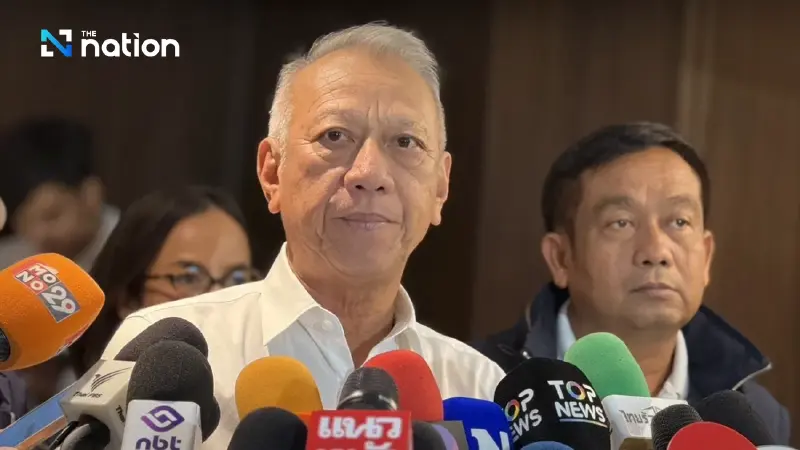


Deputy PM Phiphat Ratchakitprakarn to summon refinery executives as diesel price caps expire and the national Oil Fund faces multi-billion-baht depletion
- The Thai government has warned of a potential fuel price hike after March 16, when the current emergency diesel subsidy capping prices at 29.94 THB per litre is set to expire.
- The national Oil Fund, used for price stabilization, is under severe financial strain, having been depleted by 3-4 billion baht in subsidies this month alone.
- Escalating Middle East tensions, highlighted by an attack on a Thai-flagged vessel, are a key factor driving up global crude prices and threatening the long-term viability of the subsidy fund.
- In an effort to manage the impending price increase, the government is meeting with refinery executives to question a recent surge in their profit margins.
Deputy PM Phiphat Ratchakitprakarn to summon refinery executives as diesel price caps expire and the national Oil Fund faces multi-billion-baht depletion.
The Thai government has warned that domestic fuel prices may be adjusted upwards on 17 March, following the expiration of a 15-day emergency price cap.
Phiphat Ratchakitprakarn, Deputy Prime Minister and Minister of Transport, confirmed that the current diesel subsidy—which maintains a ceiling of 29.94 baht per litre—will end on 16 March, leaving the state to reassess its position amid soaring global crude prices.
The announcement comes as regional tensions escalate following an attack on the Thai-flagged vessel, the Mayuree Naree. The ship was struck by an explosion near the coast of Oman on 11 March after departing the UAE.
While 20 crew members were rescued by the Omani Navy, three remain missing.
Phiphat noted that while Iran has reportedly claimed responsibility for the strike, the specific motive remains unclear.
In a move to protect consumers, Phiphat has summoned refinery executives to a crisis meeting at Government House on 13 March.
The Minister expressed concern over a sharp rise in "refining margins," which have reportedly surged from 2 baht to 6 baht per litre.
"We must hear from the refineries why they have increased their margins by 4 baht," Phiphat stated. "My message to them is clear: do not pass the entire burden onto the public. While the government is currently absorbing the cost through the Oil Fund, the sustainability of this model is under threat."
The financial strain on Thailand’s energy price stabilisation mechanism is becoming acute:
Current Deficit: The state has already utilised between 3,000 and 4,000 million baht in subsidies this month alone, wiping out the fund's previous 2,500 million baht surplus.
Long-term Risk: When asked if the fund could slide back into a record 120,000 million baht deficit—as seen in previous crises—Phiphat admitted the outcome depends entirely on the duration of the conflict in the Middle East.
Pricing Disparity: A significant gap has emerged between refinery prices and retail station prices (a difference of approximately 10 baht), leading to a market inversion where retail prices are currently lower than wholesale rates.
The government is also investigating reports of price gouging by "jobbers" (wholesale middle-men). Industrial and agricultural operators who purchase fuel in bulk have been urged to submit their invoices to provincial energy officials.
The Ministry of Energy intends to hold parent oil companies accountable, ensuring they maintain supply to wholesalers at fair rates to prevent industrial disruption.
As the 17 March deadline approaches, the government faces a delicate balancing act: maintaining fiscal discipline within the Oil Fund while shielding the public from a "sudden and severe" price shock at the pumps.
