
Transport Ministry rolls out 3-step plan to ease oil crisis: fuel support, fare freeze and cheaper B20
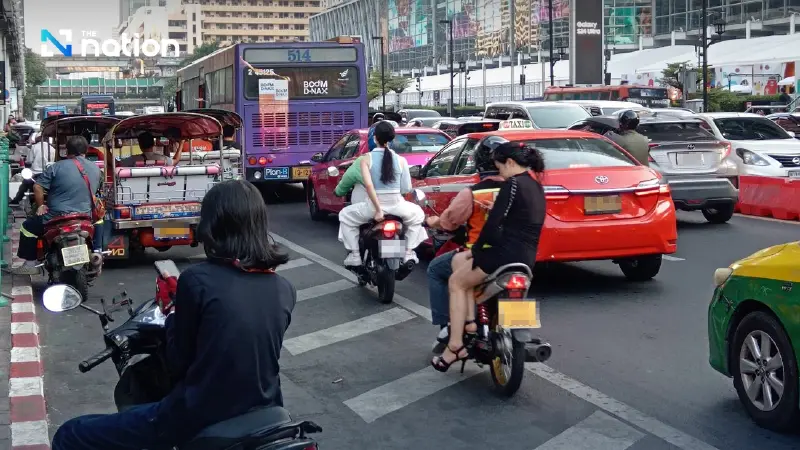


Deputy PM Phiphat Ratchakitprakarn says the Transport Ministry is proposing three urgent measures to cushion operators and protect passengers during high fuel prices, including targeted compensation, fare freezes and expanded fuel supply with B20 support.
Deputy Prime Minister and Transport Minister Phiphat Ratchakitprakarn has outlined the government’s approach to easing the impact of rising fuel prices, saying the urgent policy focus is to support transport operators and protect passengers so public transport can continue without placing additional pressure on household budgets.
He said the Transport Ministry has prepared three proactive measures aimed at reducing costs and improving liquidity for the transport sector:
1) Targeted compensation for fuel price differences
The ministry plans to propose a targeted support scheme to help cover fuel costs for four key operator groups:
- Non-regular heavy trucks (10 wheels and above): 287,175 vehicles
Support: 6 baht per litre - Large public buses: 11,395 vehicles
Support: 4 baht per litre - Small public vehicles (songthaews and vans): 19,414 vehicles
Support: 300 baht per vehicle per day - Motorcycle taxi riders and delivery riders: 114,653 vehicles
Support: 300 baht per vehicle per month
The scheme would run from April 1-30, 2026, with compensation calculated based on actual usage via GPS systems and applications, ensuring support reaches drivers directly.

2) Freeze fares as long as possible
Phiphat said the ministry has instructed the Department of Land Transport and related agencies to keep fares for all public transport modes at current levels for as long as possible, to avoid adding to the cost of living. He also called on private operators to help maintain services during the crisis.

3) Release fuel reserves and promote B20 diesel
To reduce the risk of shortages, the ministry has coordinated a reduction in legally required fuel reserve levels, increasing fuel circulation within the system. It is also preparing to introduce special-priced B20 diesel for the transport sector, expected to be about 5 baht per litre cheaper than standard diesel, to help lower operating costs.
Phiphat said the measures are designed to relieve operators facing higher fuel costs while protecting passengers from fare hikes, by reducing costs at the source. He added that the plan includes establishing special refuelling points for public transport vehicles in every province, to ensure buses have sufficient fuel and can continue operating—especially during the upcoming travel season.

