
Finance signals no excise tax cut as oil fund remains main diesel shield
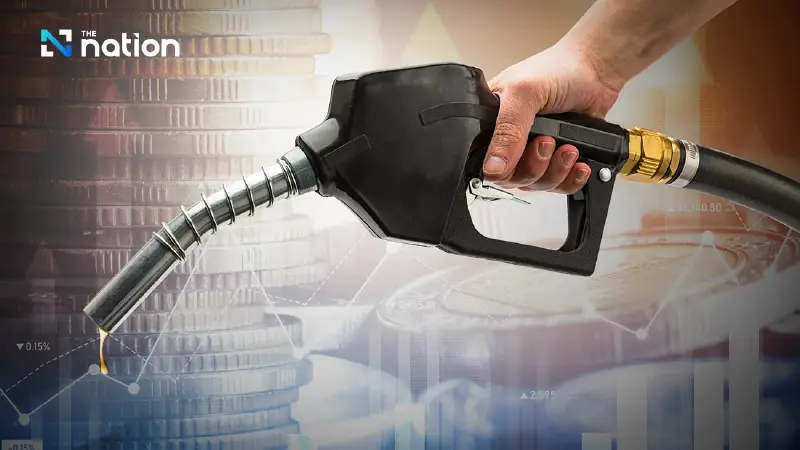


Finance Ministry is leaning on the Oil Fuel Fund, not excise tax cuts, to cushion diesel prices amid energy turmoil and fiscal concerns
Thailand’s Finance Ministry is sending a clear signal that it is not inclined to cut oil excise tax for now, choosing instead to rely on the Oil Fuel Fund as its main instrument for cushioning domestic diesel prices against the global energy shock.
The thinking inside the ministry is that the fund offers a faster and more adaptable way to stabilise retail prices, while avoiding direct damage to state revenue at a time when fiscal discipline is already under strain.
A Finance Ministry source said the government remains focused on using the Oil Fuel Fund as its frontline mechanism to subsidise diesel and keep pump prices from rising too sharply.
In the ministry’s view, that approach is more efficient and more flexible because it can be activated immediately without waiting for new legal measures. If world oil prices jump, the fund can absorb the increase straight away, shielding consumers from an instant rise in the retail price.
That contrasts with calls for a reduction in excise tax, which the source said would be slower and more cumbersome to implement.
A tax cut would require cabinet approval and further legal procedures before taking effect, whereas the oil fund can be used as soon as the government decides to step in.
In practical terms, officials argue that whether the state reduces excise tax by 3 baht a litre or uses the fund to subsidise 3 baht a litre, the immediate benefit to motorists is the same. The difference lies in how the cost is carried.
The ministry’s concern is that an excise tax cut would hit public finances more directly. The source warned that reducing the tax by several baht a litre would sharply erode government revenue, at a time when tax collection is already becoming more challenging.
The official argument is that once tax income is lost, it cannot easily be recovered, whereas the Oil Fuel Fund mechanism allows the state to reclaim some of the burden later when global prices ease and contributions can resume.
That fiscal caution has become central to the government’s thinking. According to the source, policymakers are trying to ensure that an energy crisis does not escalate into a fiscal crisis as well. With revenue collection already under pressure, the government is weighing every policy tool carefully and trying to avoid decisions that could weaken the country’s financial position in the months ahead.
The source added that total government revenue for the first five months of fiscal 2026 is still broadly on target, but warned that the task is likely to become harder from the sixth month onward, especially in the second half of the fiscal year when corporate income tax receipts will provide a clearer picture of business performance. That means the government is under added pressure to manage revenue cautiously and avoid policy moves that could further undermine collections.
The signal from inside the ministry also stands in contrast to earlier remarks by Lavaron Sangsnit, permanent secretary for finance, who said on March 26 that Thailand was considering a reduction in oil excise tax to help ease the impact of rising fuel prices. Earlier he said such a cut could be implemented quickly if it secured the necessary approval. The latest ministry thinking, however, suggests the government is now leaning more firmly towards the Oil Fuel Fund route because of the revenue risk attached to excise tax cuts.
Before this latest signal, Lavaron had also said the Energy Ministry would seek cabinet approval at its first meeting for an emergency decree authorising the Finance Ministry to guarantee borrowing by the Oil Fuel Fund worth 150 billion baht for one year.
The proposed guarantee is meant to shore up the fund’s liquidity as Thailand faces continued oil market volatility stemming from the Middle East conflict. Officials have said the borrowing would count towards public debt, but have insisted the state still has enough fiscal room to handle the crisis.
So while the debate over excise tax relief is not completely off the table, the Finance Ministry’s current direction is becoming more visible: preserve revenue where possible, use the Oil Fuel Fund as the more agile buffer, and try to keep a worsening energy shock from spilling over into a broader fiscal problem.
