
New Foreign Minister Sihasak takes office, meets officials, and heads to UNGA
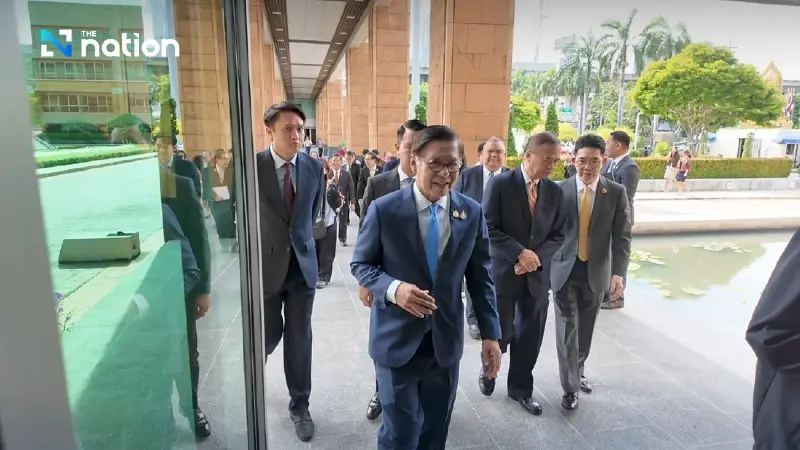


Sihasak Phuangketkeow takes office as Thailand's Foreign Minister, focusing on Thai-Cambodian border tensions and heading to the UNGA.
- Sihasak Phuangketkeow officially began his first day as Thailand's new Foreign Minister by meeting with ministry officials.
- He stated that his primary focus during his four-month term will be to resolve Thai-Cambodian border tensions.
- On the evening of his first day, Sihasak was scheduled to depart for the United Nations General Assembly (UNGA).
- At the UNGA, he plans to deliver a speech to strengthen Thailand's global presence and meet with several world leaders.
Sihasak's First Day in Office: Focus on Thai-Cambodian Border Tensions
Foreign Minister Sihasak Phuangketkeow officially entered his office at the Foreign Affairs Ministry on Thursday, marking his first day in office. He met with ministry officials and expressed his commitment to resolving Thai-Cambodian border tensions during his four-month term.
Later in the evening, Sihasak was set to leave for the United Nations General Assembly (UNGA) to strengthen Thailand’s presence on the global stage. He made this announcement after his first day in the office, having been sworn in with other Cabinet members the previous night.
Upon arrival at the ministry, Sihasak paid respects to the ministry's sacred elements, including the spirits shrine, the presiding Buddha image, and the statue of Prince Devawongse Varopraka, known as the "Father of Thai Diplomacy."
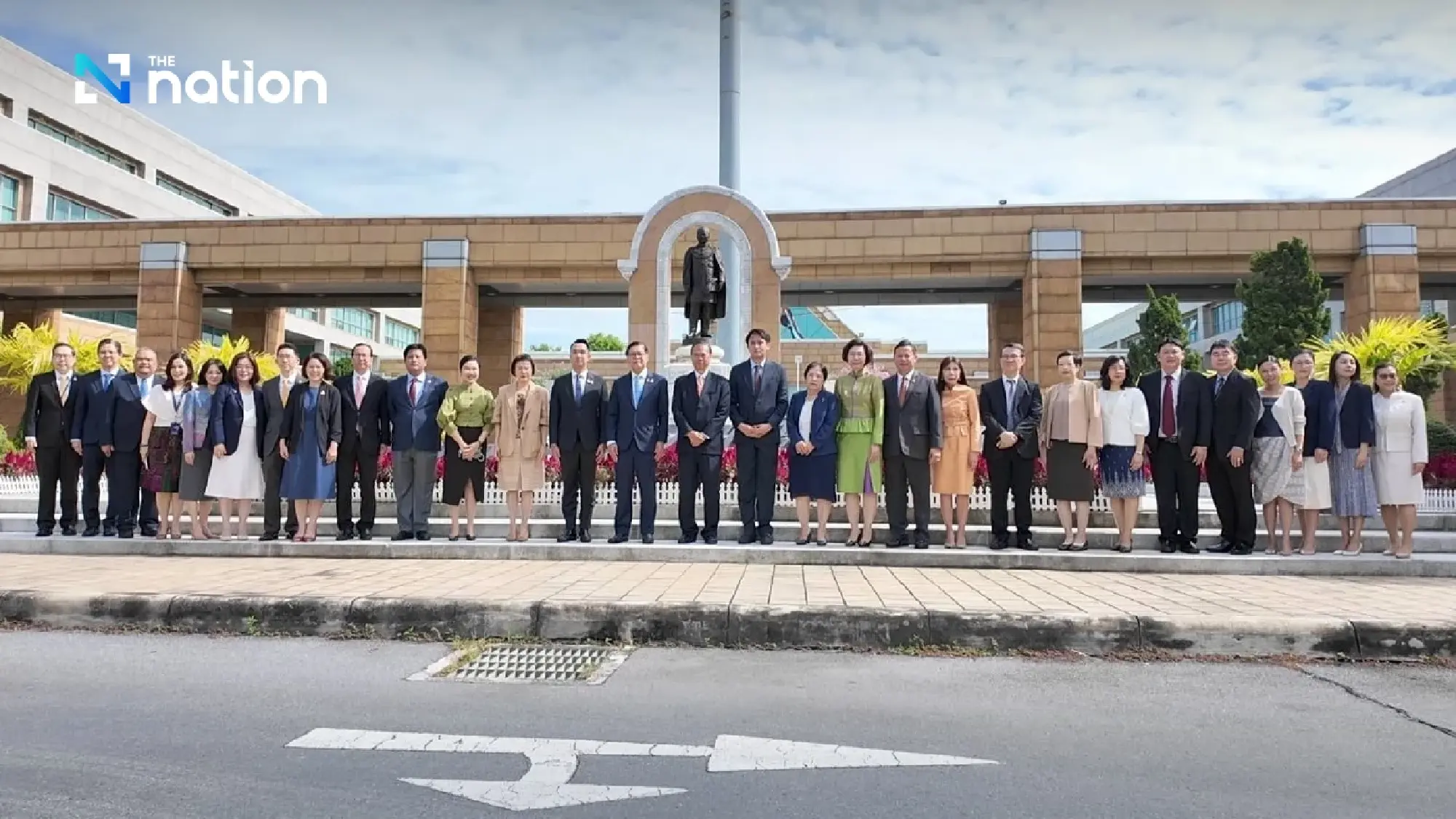

Sihasak's Plans for a Meaningful Four-Month Term
In a speech to reporters, Sihasak emphasized his goal of making his brief four-month term impactful by addressing key diplomatic issues, particularly the Thai-Cambodian border conflict. He noted that both the Foreign Ministry and the military would need to cooperate to bring lasting peace to the region for the benefit of both peoples.
Cooperation with Cambodia Key for Border Peace
Sihasak highlighted that Thailand could not resolve the border issue unilaterally; cooperation and sincerity from Cambodia were crucial. He mentioned that the latest meeting of the General Border Committee had produced positive principles that could prevent further violence, though these principles still needed to be enforced. He emphasized the importance of diplomacy and military working side by side.
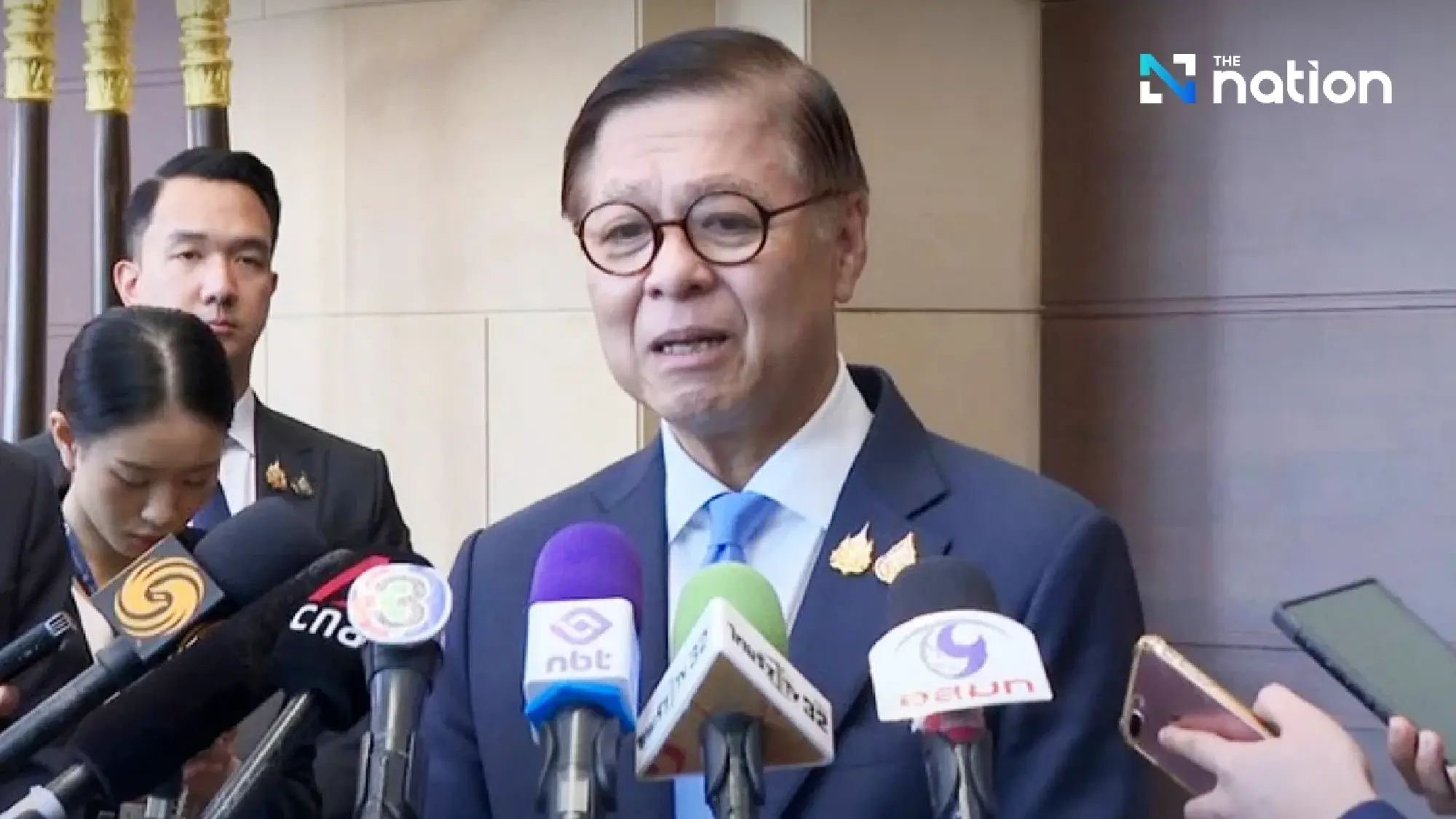

Setting a Positive Direction for Diplomatic Relations
Though Sihasak acknowledged that his four-month term might be too short to resolve all issues, he stated that it could set a positive direction for addressing the Thai-Cambodian border dispute, provided Cambodia also showed sincerity in finding solutions.
Speech at UNGA: Bringing Thailand Back to Global Attention
Sihasak is scheduled to deliver a speech at the UNGA, where he intends to raise Thailand's profile in the international community. His speech will address not only regional issues but also broader international concerns. He acknowledged the possibility that Cambodia might use the UNGA to distort information about Thailand, but he pledged to counter such claims during his speech.
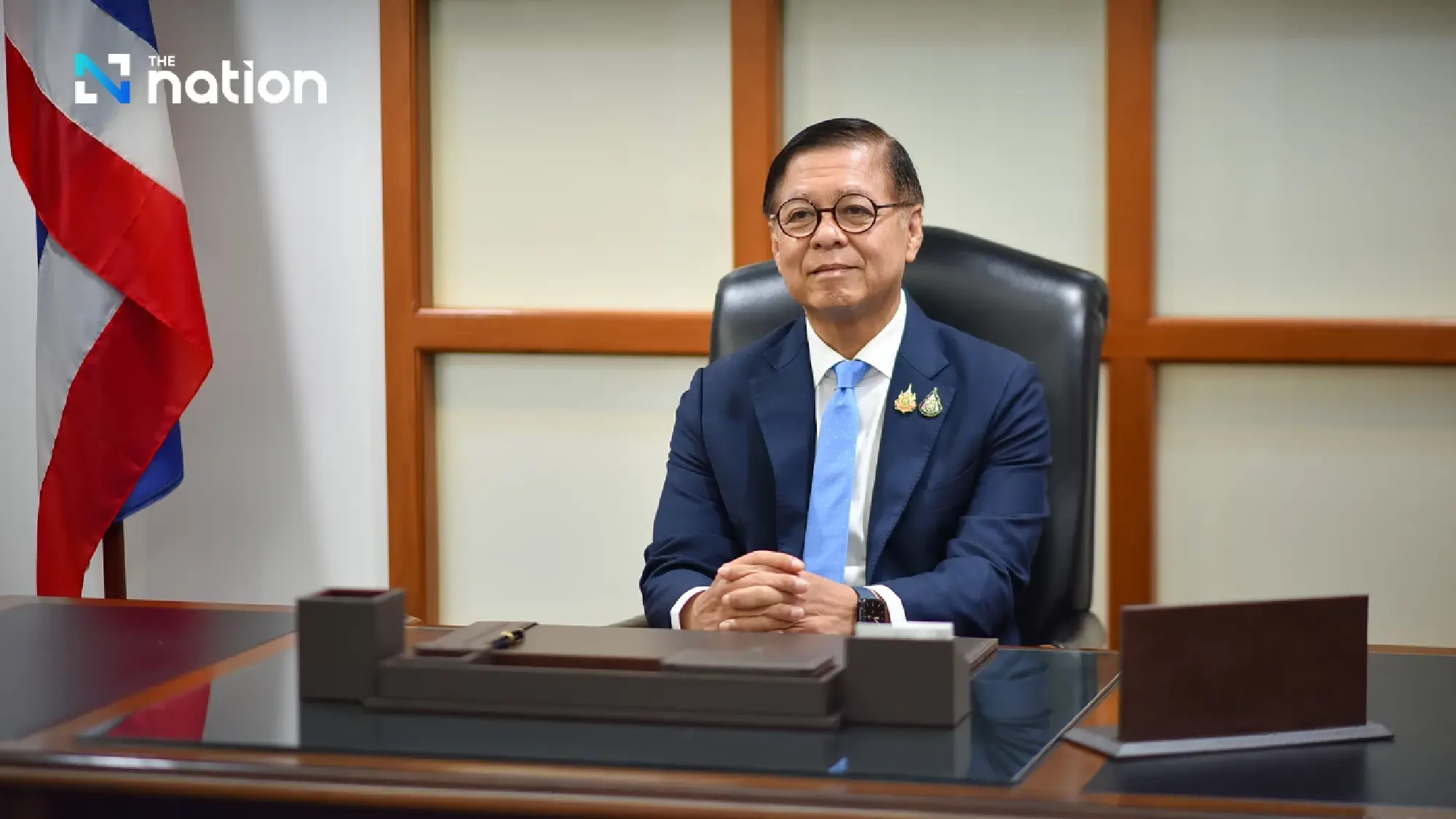

Diplomatic Meetings with World Leaders
While at the UNGA, Sihasak will meet with several prominent leaders, including the UN Secretary-General, the Japanese Foreign Minister, who will lead efforts on landmine enforcement under the Geneva Convention, and the Russian Foreign Minister, who chairs the UN Security Council.
Brief UNGA Trip and Quick Return to Thailand
Sihasak emphasized that he would limit his time in New York as much as possible to return in time for the policy debate on Monday.
Addressing the Ban Nong Chan Issue
Regarding the Ban Nong Chan area in Sa Kaeo, Sihasak reiterated that the area is definitively part of Thailand, as the Thai government had allowed Cambodian refugees to take shelter there during their flight from civil war. He confirmed that under his leadership, the Foreign Ministry would work towards a long-term, sustainable solution to the Ban Nong Chan issue and take steps to clearly demarcate the border to prevent future disputes.
Thailand’s Neutrality Amid US-China Tensions
On the ongoing tensions between the US and China, Sihasak stated that the Foreign Ministry would handle the situation creatively. "Being neutral doesn't mean we must stay at the centre," he said. "We may need to choose a direction depending on our interests, and priority should always be given to our national interests."
