
Natthaphong dismisses Bhumjaithai coalition rumours, insists People’s Party will stay out
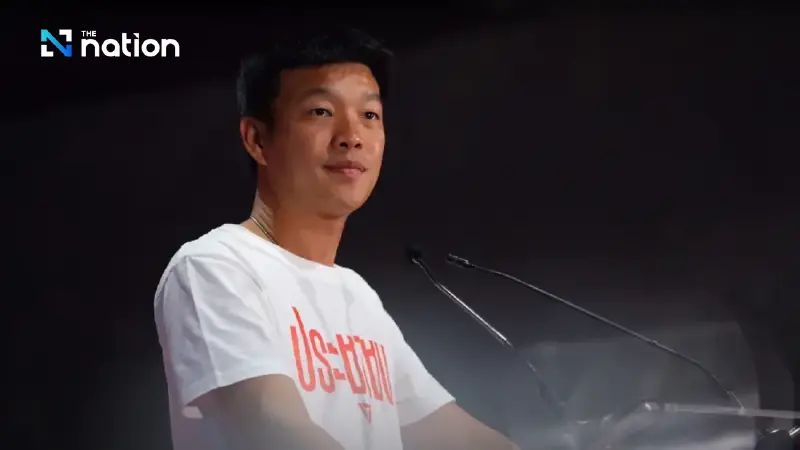


People’s Party leader Natthaphong Ruengpanyawut said he had not been contacted by Bhumjaithai about joining a new government, dismissing the reports as rumours, while reaffirming his party would not join a Bhumjaithai-led coalition and would instead analyse the election result and push for a new constitution in line with the referendum.
People’s Party leader Natthaphong Ruengpanyawut on Monday dismissed reports that Bhumjaithai had approached his party to join a new government, saying he had received no contact and suggesting the claim was either a rumour or came from someone who was not an official representative.
Asked what he would do if an approach was made, Natthaphong said the People’s Party’s position remained unchanged: the party that finished first should take the lead in forming a government. As long as Bhumjaithai remained the leading party in coalition talks, he said, the People’s Party could not join a Bhumjaithai-led administration.
“No contact” as coalition talk circulates
Natthaphong said he had not been approached in any form, adding that any alleged outreach was not made through official channels.
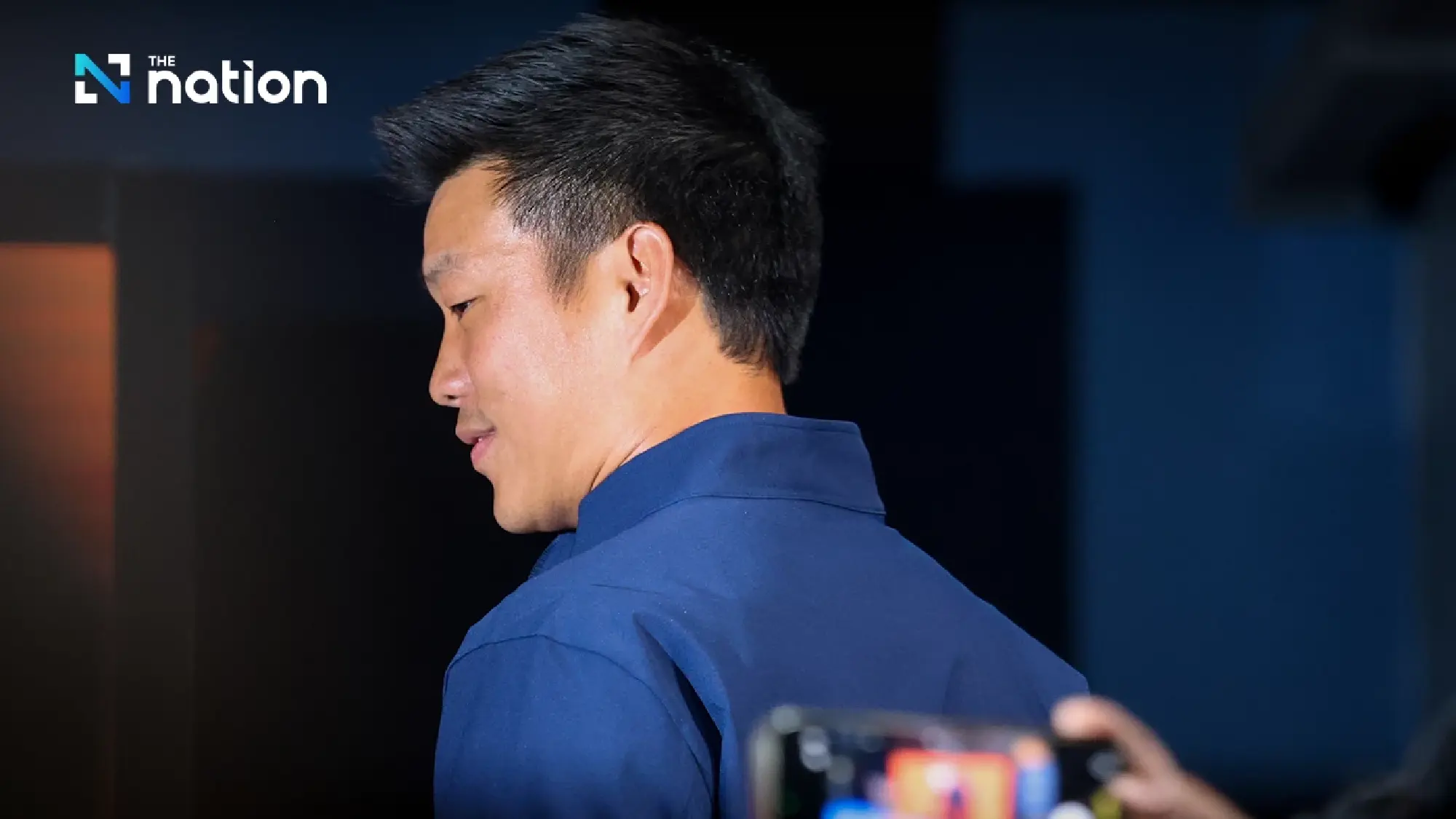

People’s Party: no role in a Bhumjaithai-led coalition
He reiterated that the People’s Party would allow Bhumjaithai, as the top-ranked party, to proceed with coalition-building first, and said his party would remain outside any government led by Bhumjaithai.
Election loss: deeper analysis promised
On why the People’s Party lost the election, Natthaphong said the results were not yet final, but said some patterns were emerging in certain constituencies. In some areas, he said, opponents may have “divided up” constituencies among themselves, limiting vote-splitting.
He said that compared with the 2023 election, the People’s Party’s vote totals had not fallen and had even increased, suggesting that candidate performance was not necessarily the decisive factor in every constituency. The outcome, he said, also depended on the broader competitive context—such as whether rivals competed directly against each other or stepped aside.
Natthaphong stressed the party respected the will of voters and would conduct a detailed assessment once the official results were announced.
Grassroots networks: “homework” for the next election
Responding to criticism that many constituency candidates were newcomers rather than well-known local figures, Natthaphong said he had discussed the matter with the current party leadership and acknowledged that Thailand’s political landscape has long been shaped by local networks.
He said electoral victory requires more than winning the battle of ideas and establishing the party as one recognised for its progressive agenda. It also requires deeper, more sustained grassroots organising.
Natthaphong said the party would work harder to build closer ties with the public and strengthen local networks based on direct engagement rather than old patronage politics, saying the People’s Party viewed this as a priority and would continue moving forward.
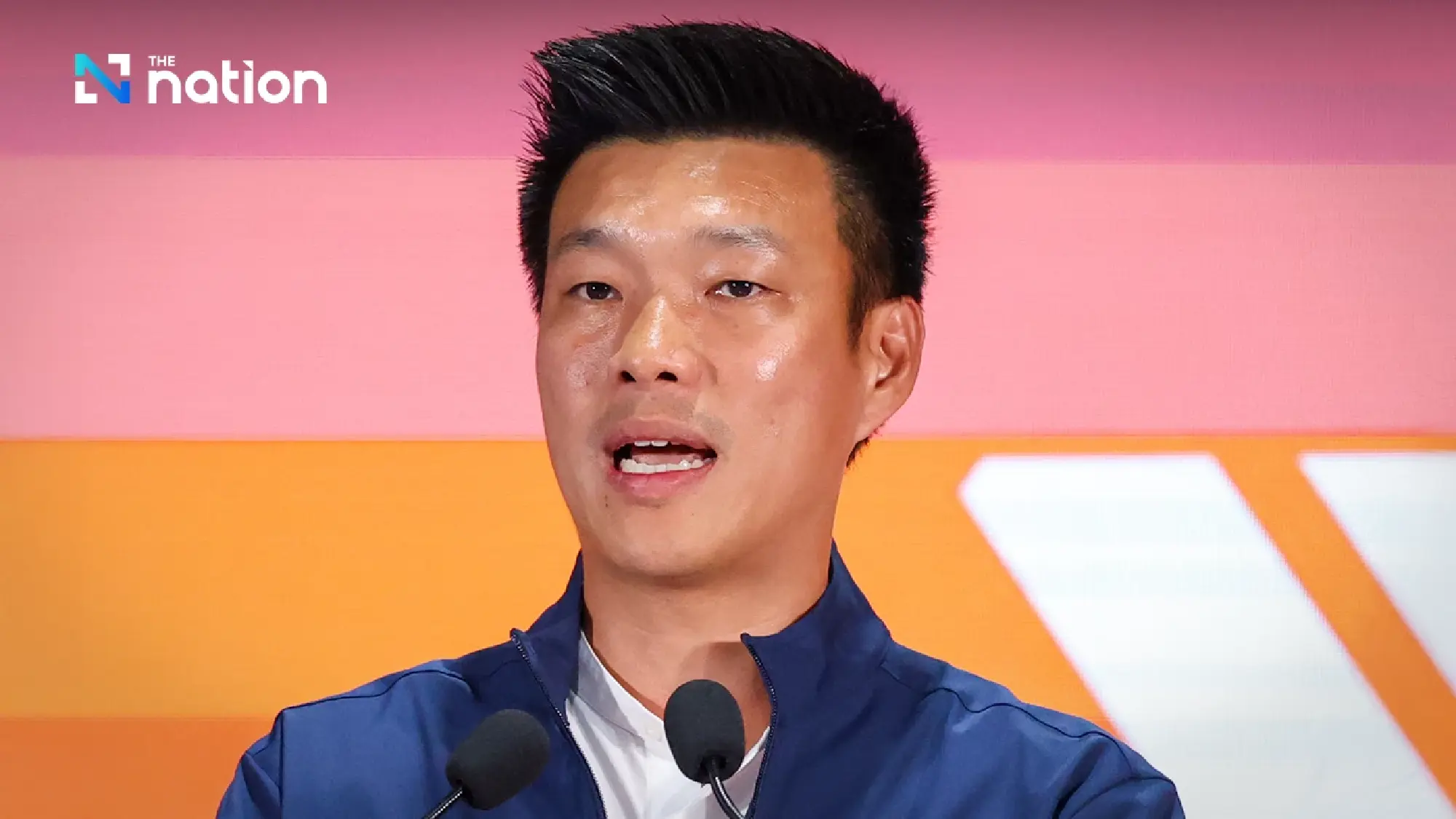

Natthaphong rebuffs Anutin’s “thanks”, cites MOA and constitution pledge
Asked about criticism that the People’s Party lost because it previously voted for Anutin Charnvirakul as prime minister, Natthaphong said election outcomes have multiple causes that vary by area, including local networks and different patterns of competition.
He said the party accepted that several factors could have played a role, but would not single out any one reason as the main cause. The People’s Party, he said, was ready to learn from all aspects of the result to improve performance in the next election.
Natthaphong also responded to Anutin’s remarks earlier that morning thanking the People’s Party for backing him as prime minister—comments Anutin made during a morning television news programme, where he said the vote helped him serve in government for three months before the election and became a tailwind for his subsequent victory.
Natthaphong replied:
“Honestly, there’s no need to thank us at all, because Mr Anutin did not keep the promises agreed in the MOA. He did not push through the constitution as discussed. So there is no need to thank anyone. I hope he will keep every promise he made to the people during this election.”
New constitution: urges parties to follow referendum mandate
Asked whether Anutin forming a government would create a deadlock on drafting a new constitution, Natthaphong said that while the referendum result was not yet 100% final, he believed it had passed.
He urged the government and all parties in the House and Senate to follow the public’s will expressed through the referendum and move forward with drafting a new constitution.
Message to Pheu Thai and the public: keep promises, move forward
On Pheu Thai, which was still weighing whether to join, Natthaphong said it was the party’s decision and he could not speak on its behalf. However, he urged all parties to think of the public first, follow the people’s will, honour voters’ trust, and deliver on campaign promises.
Asked whether he regretted voting for Anutin, Natthaphong said he understood why some members of the public felt strongly about the issue, noting the party had previously held forums to listen and reflect with supporters.
“Personally, I insist that our decision-making process at the time was the most careful and considered we could make. We went through a thorough process of listening to views from every part of the party. So, at this point, I am focused only on moving forward and doing our job as best we can,” he said.
