
Former NACC chief, ex-commissioner jailed over Prawit watch files



Court sentences former NACC president Watcharapol and ex-commissioner Supha to three years each over withheld Prawit watch-case files.
The Criminal Court for Corruption and Misconduct Cases Region 1 has sentenced former National Anti-Corruption Commission president Pol Gen Watcharapol Prasarnrajkit and former commissioner Supha Piyajitti to three years in prison each over the handling of documents linked to Gen Prawit Wongsuwan’s luxury watch case.
The ruling was delivered on Wednesday, May 27, 2026, in a case filed by anti-corruption activist Veera Somkwamkid, secretary-general of the People’s Network Against Corruption.
The court found Watcharapol and Supha guilty under Section 157 of the Criminal Code, in conjunction with Section 83, over the alleged wrongful omission of official duties in failing to fully disclose documents related to the NACC’s investigation into Prawit’s luxury watches and diamond rings.

Both defendants were later granted bail pending appeal after each deposited 400,000 baht in bail surety.
Court finds Veera had standing to sue
In its judgment, the court ruled that Veera was a directly injured party because his requests for information from the NACC were made for the purpose of scrutinising a corruption-related matter.
The court stated that Veera, as a human rights activist involved in anti-corruption work, had the right to pursue the case after the requested documents were allegedly withheld or disclosed only in incomplete form.
According to the plaintiff’s complaint, the defendants, as state officials, were required to comply with court orders concerning the disclosure of public information. The complaint alleged that failure to do so amounted to wrongful performance or negligence of official duties.
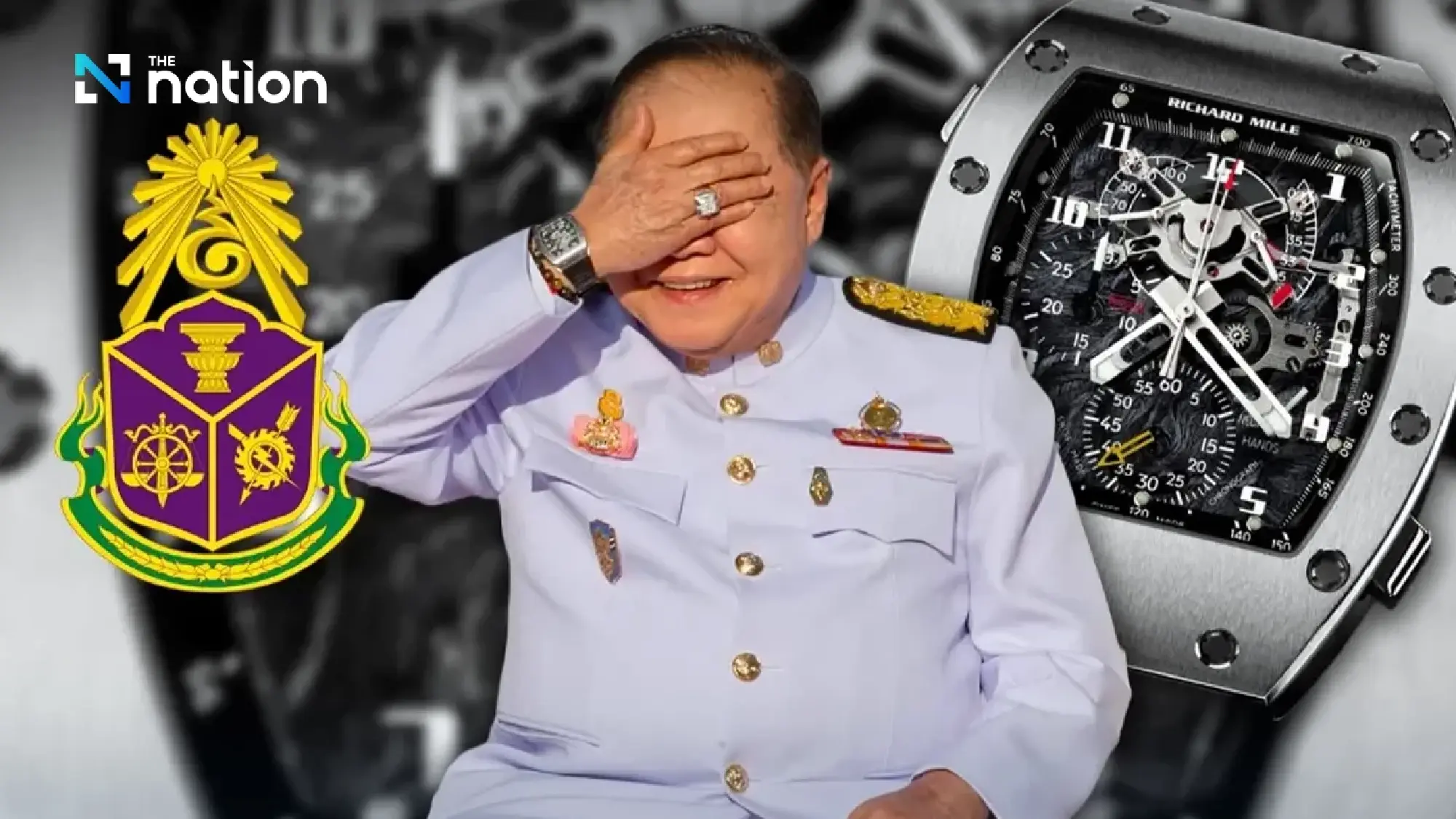

Redacted files at centre of dispute
The case centred on documents relating to the NACC’s previous investigation into Gen Prawit’s possession of luxury watches and diamond rings, which were not declared in his asset disclosure.
Veera had sought three categories of documents from the NACC:
- The complete fact-finding report and collected documentary evidence
- The opinions of all NACC officials responsible for the case
- The minutes of NACC meetings related to the matter
The Information Disclosure Tribunal had previously ruled that the NACC must disclose the documents to Veera. The Supreme Administrative Court later upheld the requirement for disclosure.
However, Veera alleged that the documents eventually provided to him were incomplete, with key sections heavily blacked out and some pages stripped of essential content. He also claimed that the NACC failed to provide the opinions of the officials responsible for the investigation, preventing him from properly examining the substance of the case.
Original case involved 12 NACC figures
Veera initially filed the lawsuit against 12 former NACC executives and commissioners, accusing them of involvement in withholding documents connected to the Prawit watch case.
The defendants originally named in the case were:
- Niwatchai Kasemmongkol, former NACC secretary-general
- Worawit Sukboon, former NACC secretary-general
- Pol Gen Watcharapol Prasarnrajkit
- Preecha Lertkamolmas
- Pol Gen Sathaporn Laothong
- Narong Rathamarit
- Supha Piyajitti
- Witthaya Akhomphitak
- Suwana Suwanjootha
- Gen Boonyawat Kreahong
- Natthachak Phatamasingh Na Ayudhaya
- Suchart Trakulkasemsuk
During the preliminary examination, the court allowed Veera to withdraw the case against Preecha, after it was noted that he had completed his term upon reaching the age of 70 before the alleged incident.
The court later found prima facie grounds to proceed against Watcharapol, Supha, Witthaya and Natthachak, who were accused of voting against compliance with the Supreme Administrative Court’s judgment. The case against the remaining defendants was dismissed at that stage.
Veera subsequently sought to withdraw the case against Witthaya and Natthachak, which the court permitted. He later also asked to withdraw the case against Watcharapol and Supha, but the court rejected the request, stating that the withdrawal would not serve the public interest and could cause serious damage to the state.
Court imposes three-year prison terms
After hearing the case, the Criminal Court for Corruption and Misconduct Cases Region 1 ruled that Watcharapol and Supha had committed an offence under Section 157 of the Criminal Code, relating to the wrongful performance or omission of official duties, together with Section 83 on joint commission of an offence.
The court sentenced each of them to three years in prison.
The ruling remains subject to appeal after both defendants were granted bail.
Prawit luxury watch controversy
The luxury watch case dates back to public scrutiny of Gen Prawit’s expensive wristwatches and diamond rings, which were not included in his asset declaration.
The NACC later dismissed the case against Prawit, finding no grounds for the allegation that he had submitted a false asset declaration. Veera then pursued disclosure of the investigation records, arguing that the public had a right to examine the basis of the NACC’s decision.
The dispute over access to those documents later led to administrative court proceedings, disclosure orders and, ultimately, the criminal case against former NACC figures over alleged non-compliance.
