
High season at risk: Operators worry the delay in alcohol law changes could drive tourists away
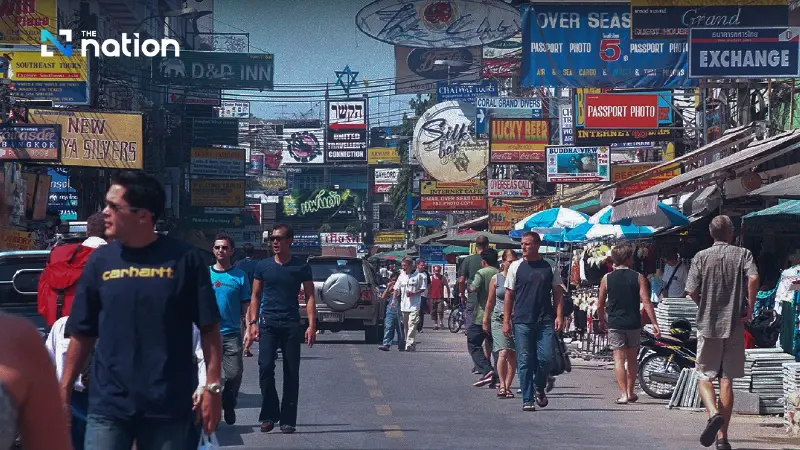


Operators warn that the delay in Thailand’s alcohol law could cause tourists to change plans, affecting the high season and New Year’s tourism revenue

Sorathep Rojpotjanaruch, President of the Restaurant Business Club and Honorary Advisor to the Thailand Hostel Association, expressed concern about the delay in the alcohol law changes. He warned that this delay during such a crucial time is severely affecting Thailand’s image and tourism prospects, especially for the upcoming high season.
Operators are worried as the alcohol law has not yet been finalised, with just 15 days left for the Cabinet to consider the changes. This coincides with the early December period, which is crucial as many international tourists plan to visit Thailand to celebrate the New Year’s Eve festivities.

Risk of last-minute changes in destination plans
Thailand is ranked second globally for New Year’s Eve celebration bookings. However, Sorathep highlighted the significant risk of tourists changing their plans last minute:
- Negative foreign media reports: Prominent international news outlets such as Trend News, Bloomberg, BBC, and Hanoi have widely reported Thailand's legal restrictions.
- Impact on decisions: Tourists who learn about these restrictions and feel they will not be able to celebrate with champagne or stay in restaurants after midnight may quickly change their destination to another country.
"This issue doesn’t just affect the restaurant industry, but has a major impact on the economy and overall tourism," said Sorathep.
The tourism sector remains a key driver of Thailand’s economy, but tourism numbers this year have been disappointing, especially when compared to neighbouring countries such as Vietnam, Japan, and Malaysia, which have all seen a rise in tourism. This highlights the need for urgent action to address the issue.

Sorathep called on NGOs opposing the law to consider the overall economic impact, explaining the points of contention to create a proper understanding:
- Extending hours past midnight: The Ministry of Tourism is not proposing to extend alcohol sales until after midnight, but to allow customers to remain seated until 1 a.m.. This aims to allow people to “sober up” before heading home, which improves safety.
- Allowing sales between 14:00–17:00: According to statistics, the highest number of accidents occurs between 2:00 a.m. and 4:00 a.m., while 14:00 to 17:00 has the lowest number of related accidents, suggesting no significant risk in allowing alcohol sales during these hours.
- Tourist demand: Thailand’s hot weather (30-40°C) drives tourists to drink beer as a form of hydration. They are not drinking to get drunk but merely to relax with one or two bottles. If tourists cannot sit and relax after 14:00, it would create issues for businesses and affect the overall tourism experience.
Long-term economic and social benefits
Unlocking the 3-hour “gap” will bring long-term economic and social benefits. Customers who sit and drink beer in the afternoon will likely order food or snacks, boosting restaurant income and alleviating social issues, such as job cuts. This is particularly important as many restaurants have already been forced to shut down recently.
He called for all parties involved to expedite the legal process to ease the concerns of both business owners and tourists and prevent Thailand from missing out on this key opportunity to boost New Year’s tourism revenues.
