
Millennials and Solo Travellers Driving Post-Pandemic Songkran Tourism Boom
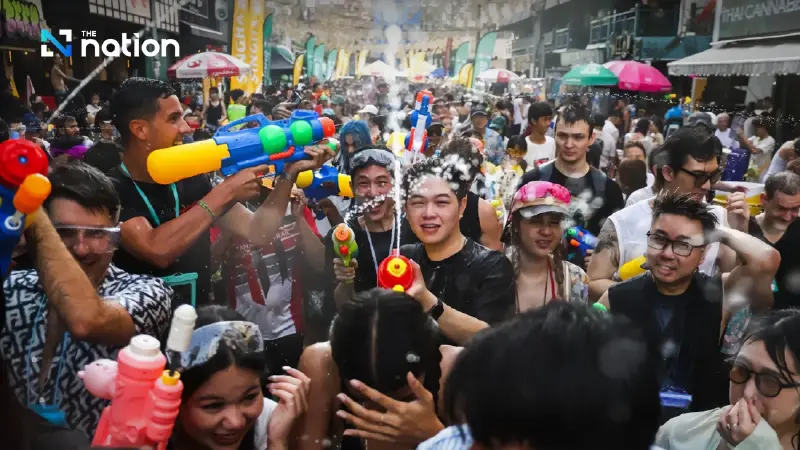


New data reveals Gen Y and solo adventurers are the primary engines of Thailand’s 2026 festive travel market, with a shift towards premium digital services
- Millennials (Gen Y) are the dominant demographic driving the Songkran tourism boom, with their 2026 seat bookings nearly doubling those of Gen Z and Gen X combined.
- Solo travellers represent a major trend, accounting for a staggering 65% to 75% of all bookings during the festival period over the last three years.
- These travellers are primarily "digital-first," booking via mobile apps, and are increasing average spending by opting for premium ancillary services like extra baggage and meals.
New data reveals Gen Y and solo adventurers are the primary engines of Thailand’s 2026 festive travel market, with a shift towards premium digital services.
As Thailand prepares for the 2026 Songkran Festival (10–18 April), new industry data has identified a definitive shift in the country's travel landscape.
Analysis from AirAsia MOVE, a leading regional travel platform, reveals that Gen Y (Millennials) and Solo Travellers have emerged as the dual powerhouses driving the tourism sector’s recovery over the last three years.
The report, which examined travel patterns from 2024 to 2026, suggests that the "traditional family holiday" is being augmented—and in some cases superseded—by a younger, tech-savvy demographic that prioritises convenience and independence.
Gen Y: The Unchallenged Market Leader
For the third consecutive year, Millennials have retained their crown as the most significant spenders during the Thai New Year.
Market Dominance: In 2026, Gen Y seat bookings were nearly double those of Gen Z and Gen X combined.
Growth Trajectory: Following a nearly 30% surge in 2025, this demographic has maintained a steady preference for 3-to-5-day breaks.
Digital Habits: Unlike older cohorts, this group is "digital-first," typically securing their arrangements via mobile apps between 31 and 60 days in advance.
es.
The Rise of the 'Solo Adventurer'
Perhaps the most striking trend is the explosion of the "Solo Traveller" phenomenon.
Data indicates that individuals travelling alone accounted for a staggering 65% to 75% of all bookings during the Songkran period over the last three years.
These travellers are increasingly opting for shorter booking windows, reflecting a more spontaneous approach to the festive break.
Destination Trends and Spending Power
While domestic stalwarts such as Chiang Mai, Phuket, and Hat Yai remain the top choices for Thais, international horizons are expanding. Japan remains the undisputed favourite for overseas travel, followed closely by Vietnam and China, both of which saw significant growth in 2025 and 2026.
Despite the economic climate, average spending per passenger has climbed to approximately 3,200 baht this year. This rise is attributed to a higher uptake of ancillary services, particularly additional baggage allowances and pre-booked in-flight meals, suggesting that today’s travellers are willing to pay a premium for comfort.
Strategic Advice for the Hospitality Sector
To capitalise on these "Solo & Gen Y" trends, AirAsia MOVE has urged hotel and tour operators to adapt their strategies:
Solo-Friendly Incentives: With solo bookings hovering around 70%, hotels should move away from "double occupancy" models and offer tailored packages for single guests.
Long-Stay Rewards: "Stay Longer, Pay Less" promotions are highly effective for the 3-to-5-day Millennial holiday window.
UX Optimisation: As the vast majority of bookings occur via OTAs and mobile apps, a seamless digital user experience is now a prerequisite for conversion.
