
Iran protests enter day 12 amid blackout and rising death toll
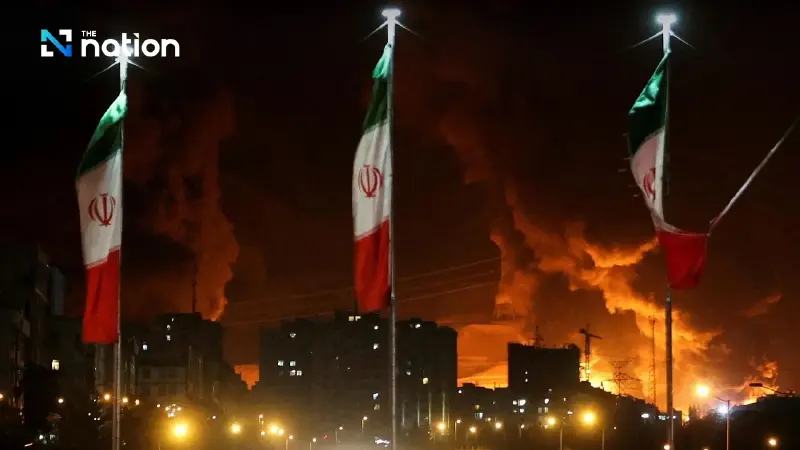


Iran’s protests entered day 12 with reports of nationwide rallies and a major internet blackout. Rights groups cite dozens killed and thousands detained.
Protests in Iran have continued for 12 consecutive days, with demonstrators chanting against Iran’s Supreme Leader and calling for the return of the exiled son of the last shah.
Videos shared online show large crowds taking to the streets across Tehran, Iran’s capital, and other cities, described as one of the biggest displays of anti-clerical opposition in several years.
Footage verified by BBC Persian showed peaceful gatherings in Tehran and Mashhad (Iran’s second-largest city) on the evening of Thursday, January 8, with security forces not dispersing the crowds.
In the clips, protesters can be heard calling for the overthrow of Ayatollah Ali Khamenei and urging the return of Reza Pahlavi, the exiled son of the late shah. Reza Pahlavi has also called on supporters to join street protests.
Human rights groups say the unrest has now lasted 12 days, triggered by anger over the collapse of Iran’s currency. The demonstrations have reportedly spread to more than 100 cities and villages across all 31 provinces.
- The Human Rights Activists News Agency (HRANA), based in the United States, reported at least 34 deaths, including five children and eight security personnel, and said about 2,270 people have been arrested.
- Iran Human Rights (IHR), a Norway-based monitoring group, reported at least 45 deaths from security-force crackdowns, including eight children.
- One social media video verified by BBC Persian showed a crowd moving along a main road in Mashhad in north-eastern Iran, chanting: “Long live the Shah” and “This is the final battle! Pahlavi will return.”
In part of the footage, several people climb onto an overpass and damage what appears to be CCTV equipment mounted there. Other videos include chants of “Death to the dictator”, referring to Khamenei.

Footage from the western city of Dezful, sent to BBC Persian, showed a large crowd and security forces that appeared to open fire from a central square.
The Thursday-evening protests came shortly after Reza Pahlavi—whose father was overthrown in Iran’s 1979 Islamic Revolution and who lives in Washington, D.C.—posted on X urging Iranians to take to the streets and unite behind what they want.
“Millions of Iranians demanded their freedom tonight,” the post said, describing demonstrators as “brave compatriots”.
Reza Pahlavi also thanked US President Donald Trump for scrutinising the “regime” and called on European leaders to do the same. The message urged people to continue protests on Friday from 8.00pm local time.
A monitoring group also reported that Iran had cut internet service nationwide. NetBlocks, which tracks internet access, said its measurements showed Iran was “facing a nationwide internet shutdown”.
NetBlocks warned that the outage followed escalating digital censorship aimed at protests nationwide and was restricting people’s right to communicate at a critical time, noting that several cities had already experienced connectivity loss earlier.
At the same time, Iranian state media has been described as playing down the scale of the unrest on Thursday, and in some cases denying protests took place, while broadcasting footage of empty streets.
