
Oil shock prompts urgent action: price caps, subsidies and tariff cuts across Asia
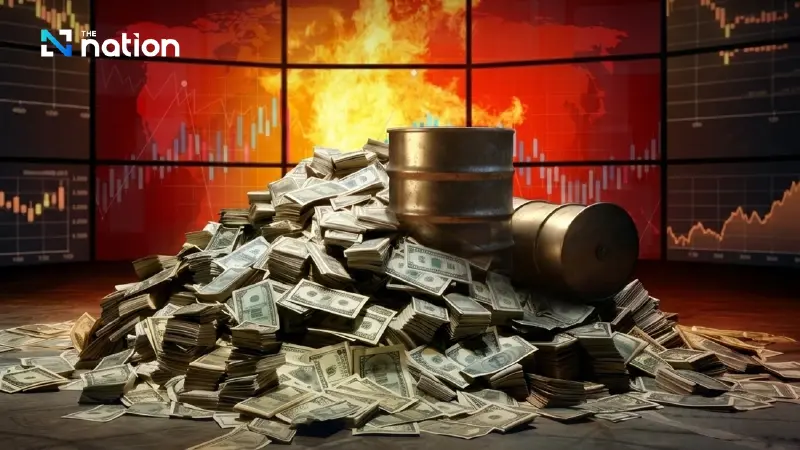


Oil briefly surged to near $120 a barrel amid the Iran war before falling back below $100, prompting governments across Asia to roll out emergency measures from fuel price caps and subsidies to tariff cuts and reserve preparations.
Global oil prices jumped sharply on March 9, 2026, pushing crude back into the $100-a-barrel era for the first time since the Russia-related energy shock of 2022, and briefly spiking to almost $120. Brent hit an intraday high of $119.50 a barrel and WTI $119.48, before prices later eased as markets weighed diplomatic signals and shifting supply risks.
By early March 10, oil had fallen more than 6% from the previous session’s highs, with Brent down to around $92 a barrel and WTI to about $89, underlining the extreme volatility as policymakers and markets grappled with Middle East supply and shipping uncertainty.
Against that backdrop, governments have begun rolling out rapid-response measures to steady domestic energy costs and protect consumers—ranging from strategic stockpile planning and price controls to tax relief and expanded subsidies.
South Korea prepares a fuel price cap for the first time in nearly 30 years
South Korean President Lee Jae Myung has ordered emergency action, saying authorities will cap domestic fuel prices for the first time in almost three decades. He told an emergency meeting the government would “swiftly introduce and boldly implement” a maximum price system on petroleum products that have seen “excessive” increases, with revisions possible every two weeks. South Korea also signalled it would seek energy sources beyond supplies routed through the Strait of Hormuz, and noted it holds oil reserves sufficient for 208 days.
China lifts retail fuel caps in its biggest rise since March 2022
China’s National Development and Reform Commission (NDRC) has raised regulated ceiling prices for retail fuels in the sharpest increase since March 2022. From March 10, gasoline and diesel caps increase by 695 yuan and 670 yuan per metric tonne, respectively. China reviews retail prices every 10 working days and applies uniform adjustments nationwide. Reuters also reported China asked refiners to halt new fuel export contracts and try to cancel committed shipments amid the disruption.
Japan weighs steps to curb petrol prices and readies reserves
Japanese Prime Minister Sanae Takaichi said the government is considering steps to cushion the economic blow from rising fuel costs, including measures to curb petrol prices. “Many people are worried about rising gasoline prices,” she told Parliament, adding that the government has been examining options since last week and could fund measures using emergency reserves.
Separately, a Japanese lawmaker said the government instructed a national oil reserve storage site to prepare for a possible release of crude, though timing and details remain unclear.
Vietnam plans a temporary waiver of fuel import tariffs
Vietnam has said it will remove import tariffs on fuels to secure supplies amid disruptions, with the measure expected to run until the end of April. The government said domestic fuel prices have already risen 21%-32% since the conflict began, and described the tariff waiver as necessary to help businesses secure supplies, stabilise the domestic market and ensure energy security.
Indonesia moves to expand fuel subsidies and may revive B50 biodiesel
Indonesia’s finance minister said the country will absorb the oil-price shock using the state budget and by raising allocations for fuel subsidies. Indonesia has budgeted 381.3 trillion rupiah for energy subsidies and compensation to keep some fuel prices and electricity tariffs affordable, and officials have also flagged the possibility of reviving B50—a blend of 50% palm-based biodiesel and 50% conventional diesel.
