
US lets countries buy Russian oil stranded at sea for 30 days amid price surge
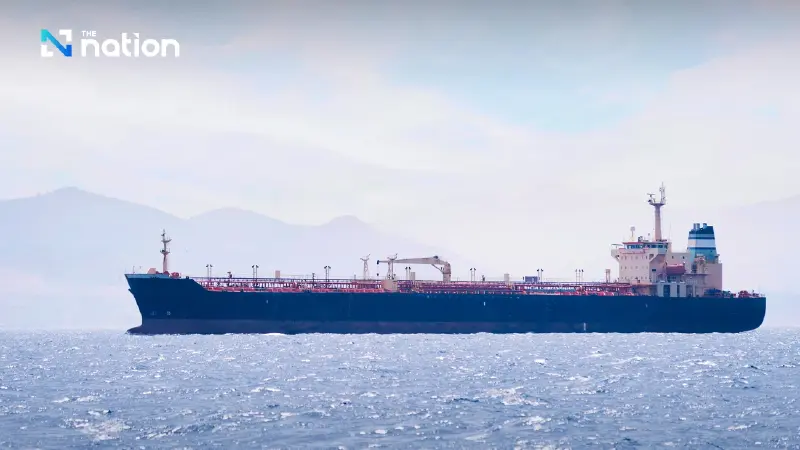


The US has temporarily allowed countries worldwide to buy Russian oil stranded at sea for 30 days, hoping to boost supply after the Iran war sent crude above US$100.
The United States government has announced a temporary 30-day licence allowing countries around the world to purchase Russian crude oil and petroleum products currently stranded at sea.
The measure is intended to boost supply in the market and reduce volatility in global energy prices, which have been shaken by the war in the Middle East.
US Treasury Secretary Scott Bessent said the move was a “limited and short-term” measure aimed at helping to stabilise the global energy market, which is facing severe disruption from the war involving Iran. He stressed that it would not generate any significant financial benefit for the Russian government.
The announcement came just one day after the US Department of Energy revealed plans to release 172 million barrels from the Strategic Petroleum Reserve to ease the impact of surging oil prices following the regional conflict.
The measure forms part of coordinated action under the International Energy Agency (IEA), whose 32 member countries have agreed to release a combined 400 million barrels of oil into the market. The IEA said the war in the Middle East was causing the biggest oil supply disruption in history.
Under the latest US Treasury licence, the exemption covers the delivery and sale of Russian crude that had already been loaded on to tankers from March 12, and will remain in effect until midnight Washington time on April 11.
Earlier, on March 5, the US had issued a separate 30-day waiver specifically for India, allowing it to purchase Russian oil that had also been left stranded at sea.
At the same time, the Trump administration has been pursuing other measures to contain energy prices, including directing the US International Development Finance Corporation to provide political risk insurance and financial guarantees for maritime shipping in the Gulf, as well as considering US naval escorts for oil tankers in the region.
The White House is also considering a temporary waiver of the US shipping law known as the Jones Act, which would allow foreign vessels to transport fuel between domestic US ports. Such a move could help lower costs and speed up the transport of energy supplies and agricultural goods.
Stephen Miller, deputy chief of staff at the White House, said the president was using every possible tool to bring down energy prices, including bringing to market “oil that is not under sanctions and is floating at sea”, while also pressing domestic producers to raise output more quickly.

Reports said that, as of Thursday, about 124 million barrels of Russian-origin oil were floating at sea at more than 30 locations worldwide. That volume could help offset supply shortages for around five to six days compared with the amount of oil lost from key shipping routes such as the Strait of Hormuz.
Tensions in the region have worsened following US and Israeli military strikes on Iran and retaliatory action from Tehran, disrupting maritime traffic through the Strait of Hormuz, a vital route for oil and gas exports from the Middle East.
Iran’s Islamic Revolutionary Guard Corps (IRGC) has warned that it will block oil exports from the Gulf if the United States and Israel do not halt their attacks, a threat that could further heighten risks to the global economy and energy markets in the period ahead.
