
Iran hits Gulf energy sites as Qatar gas hub burns and Saudi fury grows
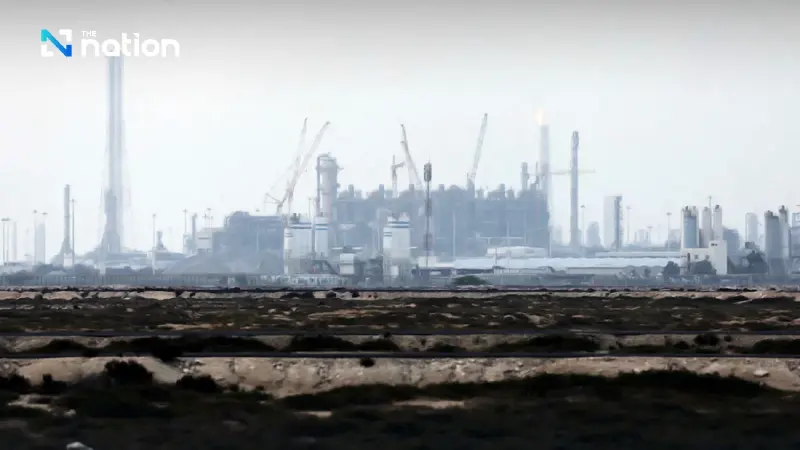


Iran struck energy sites in Qatar and Saudi Arabia after Israel hit South Pars, raising fears over LNG, fertiliser and oil supplies across global markets
Iran launched retaliatory strikes on major energy facilities in Qatar, Saudi Arabia and the United Arab Emirates, sharply escalating the regional conflict after Israel attacked Iran’s South Pars gas field, one of the world’s most important gas assets.
Among the most serious targets was Qatar’s Ras Laffan Industrial City, a critical gas export hub linked to the world’s largest liquefied natural gas operations. Qatar said the attack caused significant or extensive damage, while Saudi Arabia and the UAE also came under attack.

The strikes came after Israel hit South Pars and nearby Iranian facilities including Asaluyeh, prompting Tehran to warn that Gulf energy infrastructure in Saudi Arabia, the UAE and Qatar could become retaliation targets.
Saudi Arabia responded with fury, saying the little trust that had remained in Iran had been completely shattered. Qatar, meanwhile, condemned the strike on Ras Laffan and expelled Iranian military and security attachés.

President Donald Trump issued a statement that caused confusion around the world, saying the United States had “no knowledge” of Israel’s plan to strike Iran’s South Pars gas field, while promising to protect Qatar if it came under attack again. However, media reports in Washington carried conflicting claims that the Trump administration had in fact approved the operation.
Meanwhile, anti-war sentiment has intensified within the United States, with Senator Chris Van Hollen announcing his opposition to the Pentagon’s proposed US$200 billion war budget to be submitted to Congress, saying it was “a war of choice” and would not make Americans safer.
Severe fallout: fertiliser crisis threatens global food security
Experts warned that attacks on gas facilities in the Gulf would have consequences even greater than higher oil prices.
Fertiliser crisis: The Gulf region is the world’s largest exporter of urea, a key ingredient in fertiliser. If that supply chain is disrupted, it could trigger an immediate global food security crisis.
Natural gas: Qatar produces 20% of the world’s LNG, with Europe in particular heavily dependent on supplies from the country. The damage caused could take many months, or even years, to repair.
Current battlefield situation
Israel: Iranian missiles killed four civilians in Tel Aviv and the West Bank, while air raid sirens continued to sound across the north.
Iraq: One fighter from the pro-Iran Popular Mobilisation Forces (PMF) was killed in a joint US-Israeli air strike in Salahuddin province.
Diplomacy: Qatar immediately expelled Iran’s military attaché and security attaché in protest over the attack on its gas facilities.
