
South Korea calls for nationwide energy saving as Iran war tightens supply risks
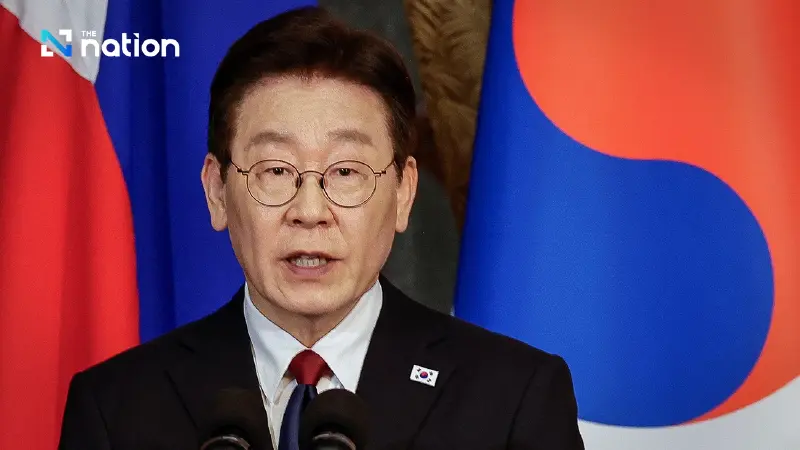


President Lee Jae-myung has called for nationwide energy conservation as South Korea faces oil and gas supply risks linked to the Iran war, urging lower electricity use and fewer private car journeys.
South Korean President Lee Jae-myung has urged a nationwide energy-saving drive, warning of oil and gas supply risks linked to the Iran war, and calling on state institutions to reduce the use of private vehicles.
Energy Minister Kim Sung-hwan told a Cabinet meeting on Tuesday (March 24) that restrictions on private vehicle use are a sensitive issue at present, but could be reviewed again if the level of the energy emergency is raised.
The government is encouraging the public to follow a 12-point energy-saving plan, including taking shorter showers, charging mobile phones and electric vehicles during the daytime, and using washing machines and vacuum cleaners at weekends.

Kim said the government will restart five nuclear power plants by May, ease constraints on coal-fired facilities, and expand renewable energy to reduce long-term reliance on natural gas.
The shift in the power mix is expected to reduce South Korea’s LNG consumption for electricity generation by up to 14,000 tonnes, or as much as 20% from the 69,000 tonnes used for power generation.
The government has also asked the 50 largest oil-consuming businesses to cut energy use, and is promoting staggered working hours and other conservation measures.

HD Hyundai has introduced energy-saving steps across several units, including HD Hyundai Heavy and HD Hyundai Oilbank, alongside voluntary limits on vehicle use, reduced plastic use, and stricter conservation measures such as switching off lights.
South Korea also plans to draft a 25 trillion won (US$16.6 billion) supplementary budget as soon as possible, which could include cash vouchers for consumers and financial support for companies, as other countries step up discussions on further economic stimulus.
"Right now, what matters most is not saving government finances, but deploying funds swiftly and effectively where they are needed most," Lee said at the meeting.
The finance minister said the supplementary budget would be submitted to Parliament by the end of March.
According to lawmakers and some industries, South Korea sources around 70% of its crude oil imports via the Strait of Hormuz, leaving it exposed to a creeping energy crisis despite having reserves of about 190 million barrels—around 100 million barrels held by the government and 90 million barrels by private refiners. Under International Energy Agency (IEA) standards, that volume would cover 208 days, though the figure does not include petrochemical exports, which could shorten the effective duration.
Data from the state oil company shows South Korea consumed 2.9 million barrels of oil per day in 2024, and analysts say the available reserves may not last two months at that burn rate.
The government has also received assurances from the United Arab Emirates of 24 million barrels of oil, though delivery timing remains unclear.
