
Oil prices rise as Iran war spreads across the wider Middle East
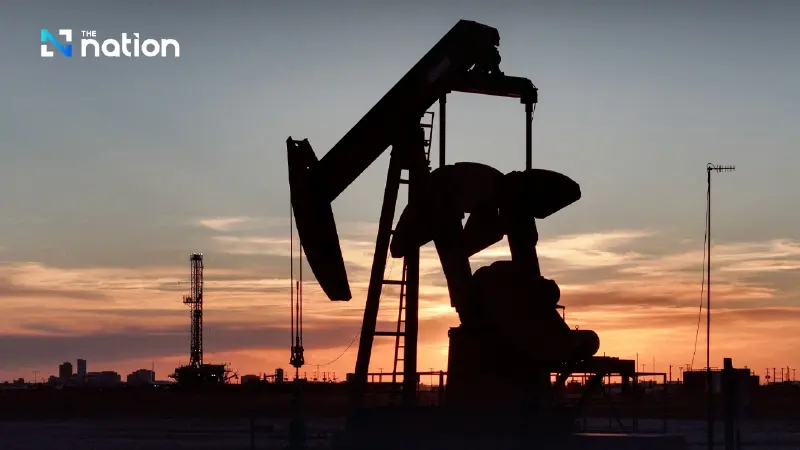


Brent was set for a record monthly surge after Yemen's Houthis attacked Israel, deepening fears over disrupted shipping lanes and oil flows across the region.
- Oil prices surged, with Brent crude rising to $115.66 a barrel, as the US-Israel war with Iran expanded across the Middle East.
- The conflict widened after Yemen's Iran-backed Houthis launched their first attacks on Israel, escalating threats to regional shipping routes.
- The price rally is driven by major disruptions to oil supply, including the effective closure of the Strait of Hormuz and new threats to the Red Sea and Bab el-Mandeb chokepoints.
- The monthly price increase for Brent crude is the largest on record, climbing 59% and surpassing the surge seen during the 1990 Gulf War.
Oil prices pushed higher again on Monday (March 30) after Yemen’s Houthis carried out their first weekend attacks on Israel, expanding the US-Israel war with Iran across a wider stretch of the Middle East.
As of 2353 GMT, Brent crude had advanced $3.09, or 2.74%, to $115.66 a barrel, after ending Friday up 4.2%. US West Texas Intermediate also gained, rising $2.92, or 2.93%, to $102.56 a barrel, following a 5.5% jump in the previous session.
The latest gains left Brent on track for an unprecedented monthly surge. The global benchmark has climbed 59% so far this month, a rise steeper than the increase seen during the 1990 Gulf War. The sharp rally has followed the Iran conflict’s effective closure of the Strait of Hormuz, through which about one-fifth of global oil and gas supplies normally pass.
The current war began on February 28, when US and Israeli forces struck Iran. Since then, the conflict has spread further across the region. On Saturday, the Iran-backed Houthis in Yemen launched their first attacks on Israel since the war began, heightening fears over shipping routes around the Arabian Peninsula and in the Red Sea.
In a note, JP Morgan analysts led by Natasha Kaneva said the crisis was no longer confined to the Persian Gulf and the Strait of Hormuz. It had now extended to the Red Sea and the Bab el-Mandeb, which they described as one of the world’s most important chokepoints for crude and refined product flows.
According to data from analytics firm Kpler, Saudi crude exports rerouted away from the Strait of Hormuz to the Red Sea port of Yanbu reached 4.658 million barrels per day last week. JP Morgan said that, should Yanbu also face disruption, Saudi shipments would have to be redirected towards Egypt’s Suez-Mediterranean, or SUMED, pipeline for transport to the Mediterranean.
Regional violence intensified over the weekend, with Oman’s Salalah terminal suffering damage even as attempts were being made to launch ceasefire discussions.
Iran said it stood ready to answer any US ground assault, and on Sunday, it accused Washington of preparing a land attack while at the same time seeking talks.
Pakistan’s Foreign Minister Ishaq Dar said discussions had covered possible ways to secure an early and lasting end to the war in the region, along with the prospect of US-Iran talks in Islamabad.
Reuters
