
Oil rises for fourth day as Middle East war squeezes global supply
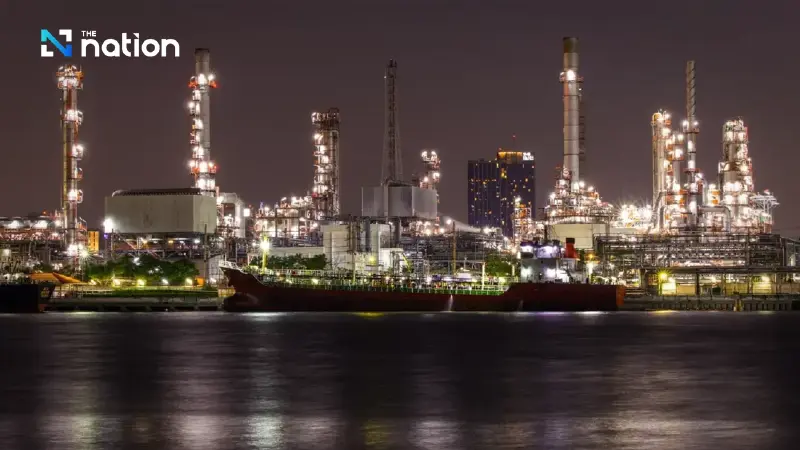


Brent and WTI extend gains as the Hormuz disruption, tanker attack and Houthi threats deepen fears over global oil and LNG supplies
Global oil prices extended their rally into a fourth straight day on Tuesday, as the widening conflict in the Middle East continued to stoke fears of tighter supply and further disruption to one of the world’s most important energy corridors.
Brent crude for May delivery rose by US$2.26, or about 2%, to US$115.04 a barrel after earlier touching its highest level since March 19, while the more actively traded June contract stood at US$108.96 a barrel. US West Texas Intermediate for May delivery climbed US$3.10, or roughly 3%, to US$105.96 a barrel, its highest level since March 9.
The main driver has been the severe disruption to shipping through the Strait of Hormuz, a route that handles about 20% of global oil supply as well as liquefied natural gas. The scale of that shock has pushed Brent up about 59% in March and WTI up about 58%, leaving Brent on course for a record monthly increase and US crude for its biggest monthly rise in nearly six years.
Tensions escalated further after Kuwait said its tanker Al Salmi, which can carry about 2 million barrels of crude, was struck off Dubai in an attack blamed on Iran, raising fresh concern over both maritime security and the risk of an oil spill.

At the same time, Yemen’s Iran-backed Houthi movement launched missiles at Israel, adding to concerns over the safety of shipping through the Bab el-Mandeb Strait, the strategic link between the Red Sea and the Gulf of Aden that underpins Asia-Europe trade via the Suez Canal. Analysts say any renewed closure there, on top of the Hormuz disruption, would create a damaging “twin chokepoint” crisis for global energy and supply chains.
According to shipping data, Saudi Arabia has already begun redirecting more crude exports through Yanbu on the Red Sea coast. Exports through that route rose to 4.658 million barrels per day last week, up sharply from an average of 770,000 barrels per day in January and February, underlining how producers are scrambling to find alternatives to the Gulf route.

US President Donald Trump has meanwhile warned that Washington could strike Iran’s energy infrastructure if Tehran does not reopen the Strait of Hormuz. In a post on Truth Social on March 30, he threatened to destroy Iran’s power plants, oil wells and Kharg Island unless the waterway is reopened immediately and a peace deal is reached quickly.
Even so, the White House has signalled that talks with Iran are still continuing, and Reuters reported that prices later eased from their intraday highs after a Wall Street Journal report said Trump might be open to ending the military campaign even without the immediate reopening of Hormuz. That helped trim some gains in Asian trading, though the market remains highly volatile and extremely sensitive to headlines.
The broader picture is that oil traders are still pricing in a serious risk premium. Until flows through Hormuz are reliably restored and threats around Bab el-Mandeb subside, the market is likely to remain jumpy, with global supply security still at the centre of attention.

