
Saudi Arabia hikes Asia oil price by US$17 as Thailand faces fresh fuel pressure
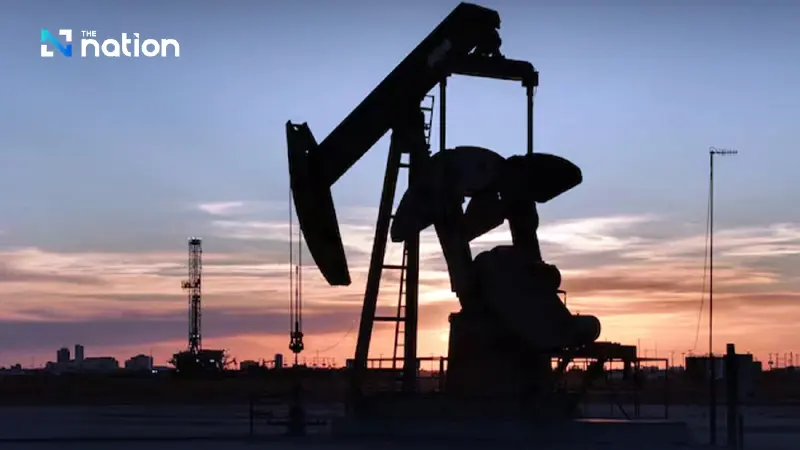


Saudi Arabia has raised its May crude price for Asian buyers by US$17 a barrel, stoking fears of another oil price surge in Thailand amid the Hormuz crisis
Saudi Arabia has sharply raised the official selling price of its Arab Light crude for Asian buyers for May delivery, adding fresh pressure to oil-importing economies such as Thailand as the Middle East conflict continues to disrupt energy markets.
The latest adjustment lifted the price by US$17 a barrel from the previous month, pushing the premium over the Oman-Dubai average to a record US$19.50 a barrel. The move reflects how severely the regional oil market has been shaken by the prolonged conflict involving the United States, Israel and Iran, with the Strait of Hormuz remaining at the centre of global supply concerns.
The narrow waterway handles roughly one-fifth of the world’s oil shipments, making it one of the most important energy chokepoints in the global system. As long as tensions there remain unresolved, uncertainty will continue to hang over exports from major Gulf producers including Saudi Arabia, the United Arab Emirates, Iraq, Kuwait, Qatar and Bahrain.

That has made buyers in Asia increasingly vulnerable to higher costs, especially as producers and refiners scramble to price in geopolitical risk. For Thailand, the latest Saudi move is likely to intensify concern that domestic fuel prices could face another round of upward pressure, particularly at a time when the government is already trying to manage high refining margins and cushion the impact on consumers.
The price increase came even as diplomatic efforts showed tentative signs of movement. The latest reports indicated that Iran and the United States had both received a 45-day proposal aimed at ending hostilities, brokered by Pakistan, with hopes that it could eventually help reopen the Strait of Hormuz. But there is still no certainty over when energy flows through the route might fully return to normal.
Oil markets have remained highly volatile as a result. Prices continued to rise amid increasingly aggressive rhetoric from Washington towards Tehran, while traders watched closely for any sign of a breakthrough over Hormuz. The market is now being driven not only by supply and demand, but also by the pace of military escalation and the credibility of diplomatic efforts.
At the same time, OPEC+ has agreed to raise production quotas by 206,000 barrels per day in May. Even so, the increase may offer only limited relief in practice, as several major producers are struggling to raise actual supply while regional exports remain constrained by war-related disruption.
All of this leaves Asian buyers facing a more expensive and uncertain oil environment. And for Thailand, which is already under pressure from rising energy costs, Saudi Arabia’s latest price increase is likely to add to fears that retail fuel prices could climb again in the near term.

