
Iran calls peace talks with US unreasonable as Israel pounds Lebanon
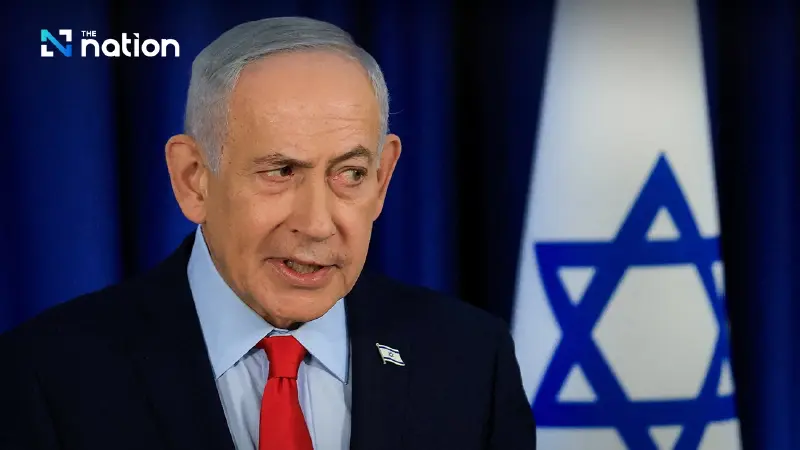


Iran says peace talks with Washington are now unreasonable after deadly Israeli strikes on Lebanon, deepening doubts over a fragile ceasefire
Iran has declared that pressing ahead with peace talks with the United States would be “unreasonable” after Israel unleashed a wave of deadly strikes on Lebanon, throwing fresh doubt over an already fragile ceasefire in the Middle East.
The warning was delivered by Iranian parliament speaker Mohammad Bagher Ghalibaf, who is also a senior figure in Tehran’s negotiating camp. He said the atmosphere for diplomacy had been badly damaged after Israel escalated its military campaign in Lebanon, even though a two-week ceasefire had only just been announced by US President Donald Trump.
According to Reuters, Ghalibaf accused Israel of breaching the spirit of the truce by intensifying attacks on Hezbollah targets in Lebanon, while also criticising Washington for continuing to demand that Iran fully abandon its nuclear ambitions. That combination, he suggested, had drained what little trust remained from the negotiating process.
The United States and Israel, however, have insisted that the ceasefire with Iran does not extend to Lebanon. Israeli Prime Minister Benjamin Netanyahu has made clear that military operations against Hezbollah will continue, while Israeli officials have said their forces remain ready to act at any moment.

On the ground, the fallout was immediate and severe. Lebanese civil defence authorities said Israeli strikes on April 8 killed at least 254 people, in the deadliest day since Israel’s latest war with Hezbollah began. Reuters reported that more than 100 sites were hit across Beirut, the Bekaa Valley and southern Lebanon, with some attacks said to have landed without warning for civilians.
The United Nations condemned the assault, with UN human rights chief Volker Türk describing the casualty figures as appalling and the scenes of destruction as horrific. He also called for independent investigations into possible violations of international humanitarian law.

The latest violence has further complicated the already bitter dispute over Iran’s nuclear programme. Washington has maintained that Iran must halt uranium enrichment, while Tehran has rejected any suggestion that it should surrender that right altogether. That gap remains one of the central obstacles to any lasting settlement.
Despite the sharp deterioration in security, financial markets initially reacted with some relief. Global stocks rose and oil prices fell from recent highs, although energy markets remain highly sensitive because of the wider regional risks and continuing disruption tied to the Strait of Hormuz.
For now, both sides are still claiming they want the ceasefire to hold. But the conflicting interpretations of what the truce covers, especially over Lebanon, have exposed just how brittle the arrangement remains. With the nuclear dispute unresolved and military pressure still building on multiple fronts, the danger of renewed escalation has by no means disappeared.

Iran says US broke 3 pledges, demands ceasefire or wider war
Iran has accused the United States of violating three key commitments tied to the latest ceasefire arrangement, warning that Washington must now choose between preserving the truce or allowing what Tehran calls a continuing war through Israel.
The sharply worded statement came as tensions flared again over Lebanon, where Israel carried out its heaviest strikes of the conflict so far on April 8. Lebanese authorities said at least 254 people were killed in a single day, in an assault that further undermined hopes that the newly announced two-week pause between the US and Iran could calm the wider region.
According to the Iranian statement, the first alleged breach was the failure to uphold what Tehran said had been an immediate ceasefire covering Lebanon as well as other theatres. That claim sits at the heart of the present dispute. The US and Israel have both insisted that Lebanon was never included in the truce, while Iran and Pakistan, which helped mediate, have argued otherwise.
The second alleged violation, according to Iran, was a drone incursion into Iranian airspace that it said was shot down over Lar in Fars province.
The third was Washington’s continued refusal to recognise Iran’s right to enrich uranium, a point that remains one of the biggest obstacles to any durable settlement. Reuters has separately reported that disagreement over Iran’s nuclear programme, especially uranium enrichment, remains unresolved despite the ceasefire.
Iran argued that the practical basis for negotiations had therefore been broken even before formal talks could begin. In that atmosphere, it said, bilateral ceasefire efforts or political negotiations no longer looked reasonable.
Foreign Minister Abbas Araqchi reinforced that message, saying the terms of the two-week ceasefire between Iran and the United States were clear and that Washington could not simultaneously claim to support a truce while allowing Israel to keep striking Lebanon.
Iranian officials have increasingly questioned whether meaningful peace talks can proceed while Israeli operations continue.
“The conditions of the ceasefire between Iran and the US are clear and explicit. The US must choose between ceasefire and continued war through Israel. It cannot have both,” Araqchi said in a post on X, according to the Iranian account provided.
He also pointed to what he described as a massacre in Lebanon, saying the burden was now on Washington to prove whether it would honour its commitments. The statement raised the diplomatic stakes at a moment when the ceasefire is already under strain from conflicting interpretations and continued violence on the ground.
Iran’s Islamic Revolutionary Guard Corps also warned that it would respond if what it called aggression against Lebanon did not stop immediately, according to Iranian state media cited in your source material.
For its part, Israel has made clear that it does not regard Lebanon as part of the ceasefire. Prime Minister Benjamin Netanyahu’s office has backed the US-brokered pause on strikes against Iran, but said operations against Hezbollah in Lebanon would continue. US Vice President JD Vance has also said Washington never agreed that Lebanon would be covered by the truce.
That leaves the ceasefire looking increasingly fragile. What was presented as a diplomatic opening is now being tested by the very issue that both sides still interpret differently: whether Lebanon was ever meant to be protected by it in the first place.
