
Ceasefire may not quickly ease jet fuel pain, airlines warn
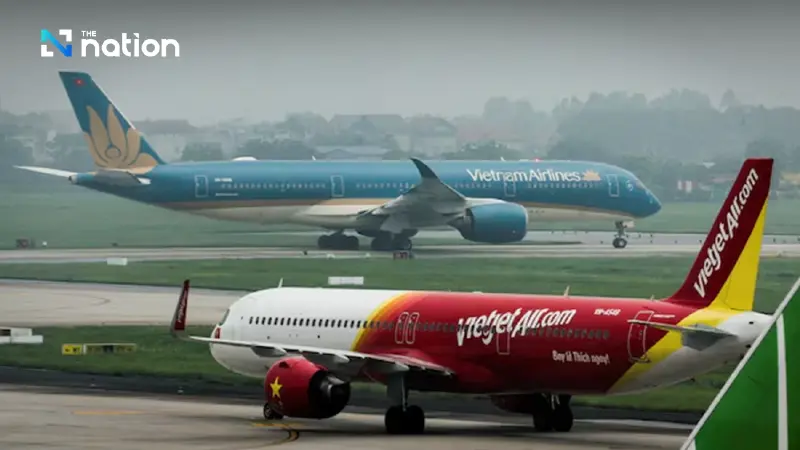


Asian airline executives say jet fuel costs and supply pressure could linger for months despite a two-week US-Iran ceasefire and Hormuz reopening hopes.
Asian airline executives say the new two-week ceasefire between the United States and Iran is unlikely to bring immediate relief to carriers, with jet fuel prices and supply concerns expected to remain elevated for months even if the Strait of Hormuz reopens.
Speaking in Singapore, International Air Transport Association director-general Willie Walsh said crude oil may fall faster than jet fuel prices because the bigger problem now lies in damaged and disrupted refining capacity in the Middle East, a key supplier of refined fuels to global markets. He warned that supply would still take time to recover even if the waterway reopens and stays open.

Crude oil falls, but jet fuel strain remains
Oil prices dropped below US$100 a barrel after President Donald Trump said he had agreed to a two-week ceasefire with Iran, with the deal tied to the immediate and safe reopening of the Strait of Hormuz, which normally carries about one-fifth of the world’s oil trade. But industry executives say that fall in crude does not mean aviation fuel will quickly return to normal.
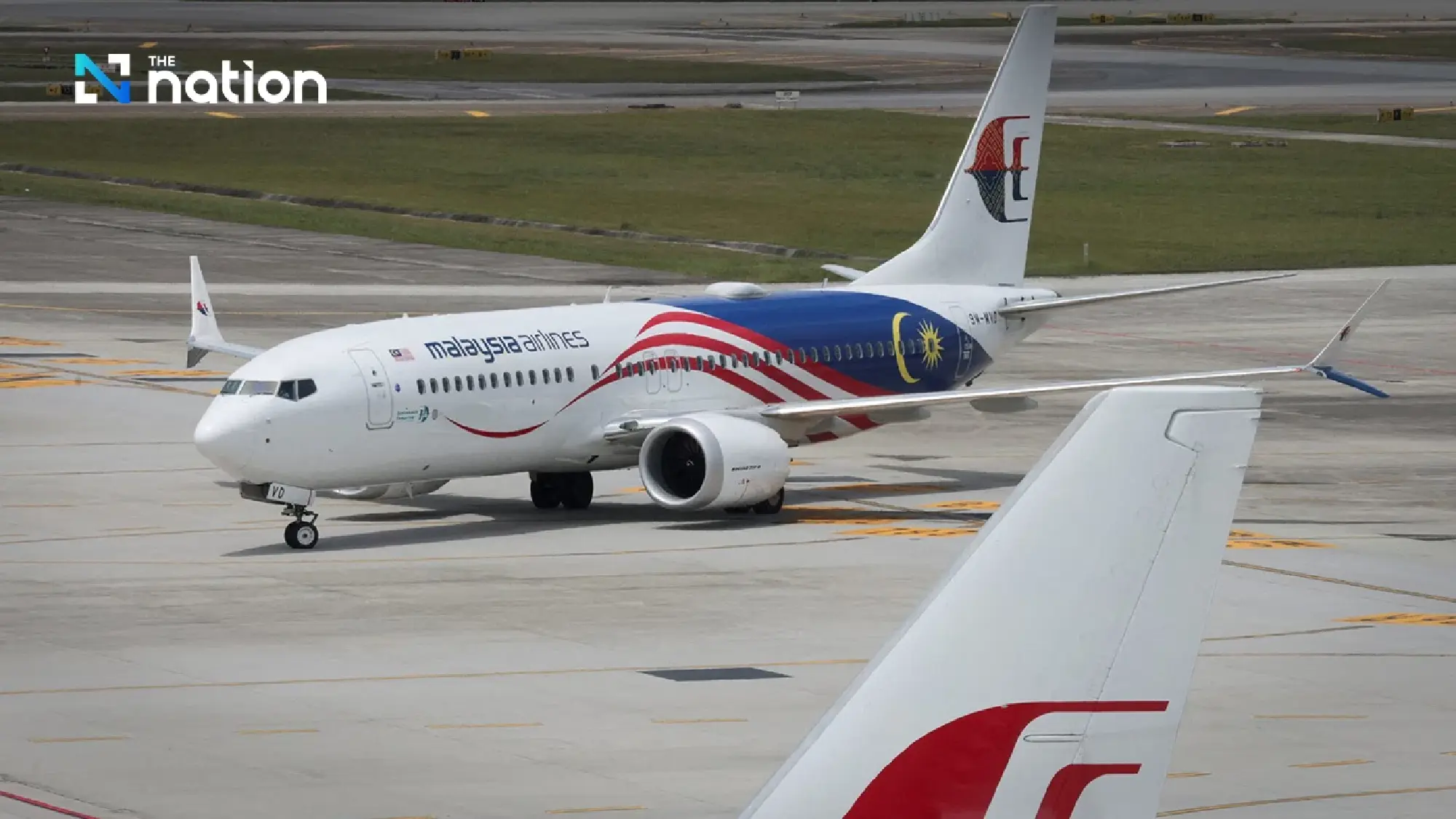
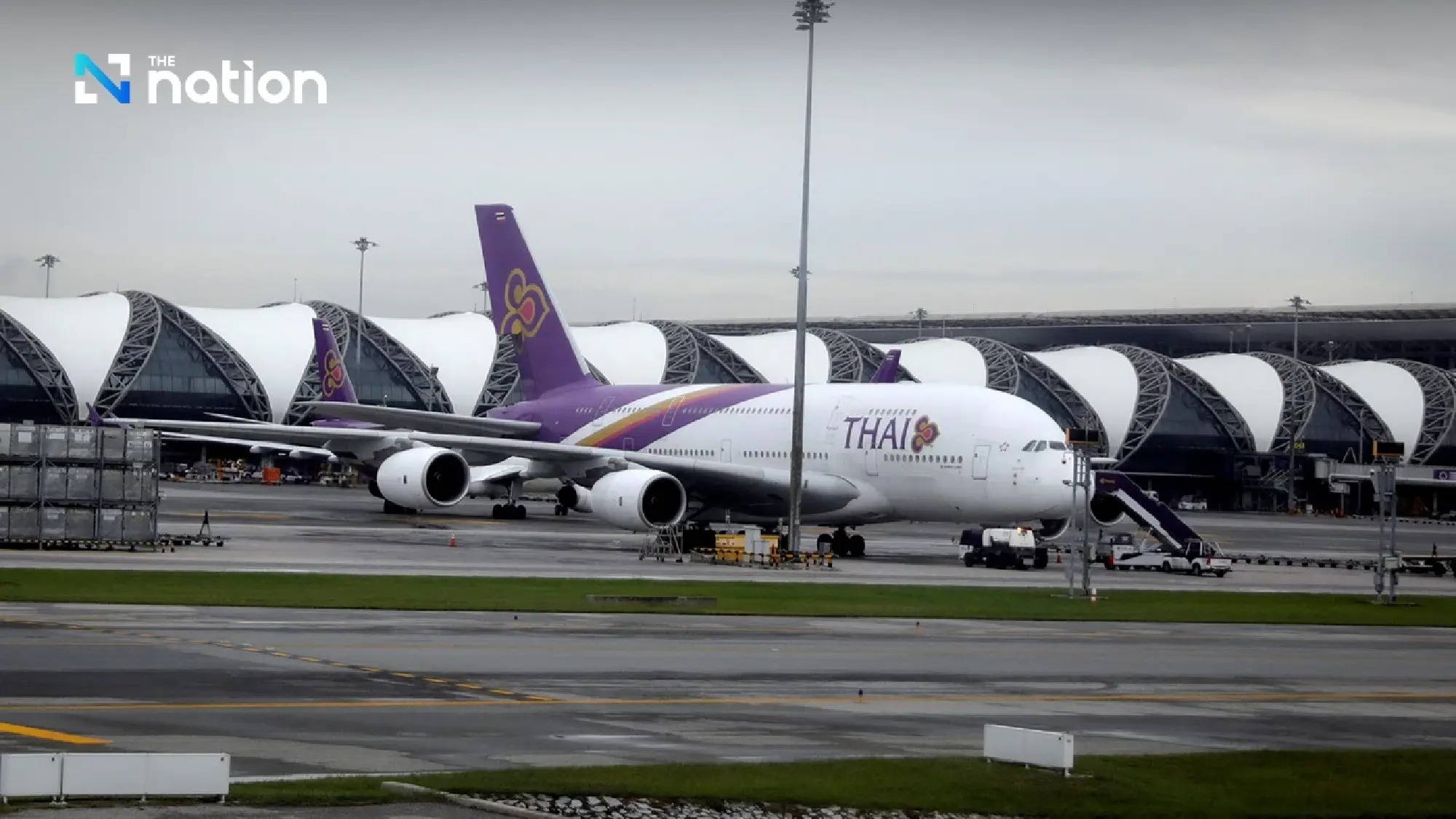
Malaysia Aviation Group and Thai Airways executives gave a similarly cautious assessment at the IATA event, saying the pressure on prices and the risk to fuel supply would not disappear overnight. Thai Airways chief executive Chai Eamsiri described the current shock as the worst oil crisis of his nearly 40-year career, pointing to heavy damage to infrastructure, refineries and related systems that will take time to restore.
The broader aviation industry has already been hit by a doubling in jet fuel costs since the Iran war began, while airlines in Asia have been cutting flights, carrying extra fuel from home bases and adding refuelling stops to cope with tighter supply. Reuters also reported that lower-income, import-dependent markets such as Vietnam, Myanmar and Pakistan have felt the sharpest impact after China and Thailand halted jet fuel exports and South Korea capped them at last year’s levels.

Airlines still adjusting fares and schedules
The pressure is already feeding through to ticket prices and flight schedules. AirAsia X said it had raised fares by about 31% to 40% and lifted fuel surcharges by around 20% as jet fuel prices surged, while warning it may trim capacity where fuel costs can no longer be covered.
In the United States, United Airlines has cut about five percentage points from its planned capacity this year as it prepares for a prolonged period of high fuel prices. In New Zealand, Air New Zealand has announced a second round of schedule cuts for May and June and said jet fuel prices are running at more than double normal levels.

Ceasefire offers relief, but uncertainty remains
The ceasefire itself remains fragile. Reuters reported that Trump agreed to the two-week pause on April 8, with mediation help from Pakistani leaders, after demanding that Tehran reopen the Strait of Hormuz or face devastating attacks on civilian infrastructure. Iran said it would halt counter-attacks and provide safe passage through the waterway if attacks against it stopped.

