
IEA cuts 2026 oil demand outlook as Middle East war rattles markets
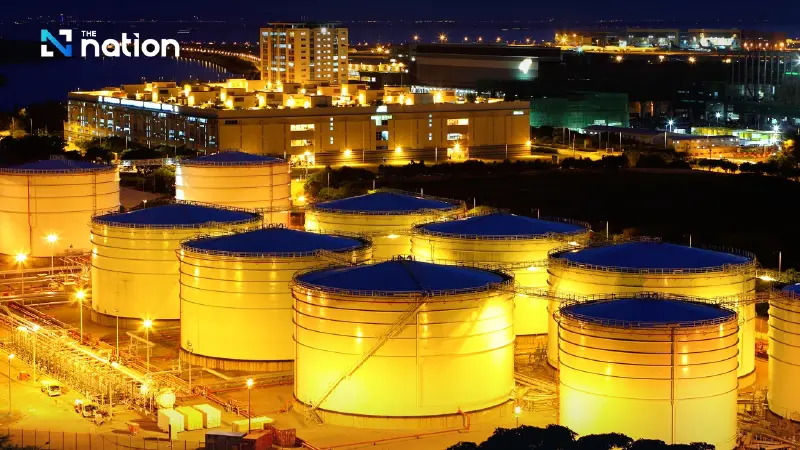


IEA lowers its 2026 oil demand growth forecast as Middle East conflict disrupts Hormuz flows, hits supply and keeps pressure on global oil prices
The International Energy Agency has cut its forecast for global oil demand growth in 2026, warning that the war in the Middle East is disrupting supply flows, straining transport routes and adding fresh pressure to the world economy.
In its latest market assessment, the IEA said global oil consumption is now expected to rise by 640,000 barrels per day in 2026, a downgrade of 210,000 barrels per day from its previous forecast. The revision came as higher oil prices, a weaker economic outlook and severe disruption to Middle East energy flows began to weigh on demand.
The agency also said global oil supply is projected to plunge by 8 million barrels per day in March, as the conflict curtails production across the region. At the same time, the near standstill in tanker traffic through the Strait of Hormuz has compounded the shock, with nearly 20 million barrels per day of crude and product exports disrupted.

The fallout has spread well beyond crude production. The IEA said attacks on energy infrastructure and the closure of export routes have already forced more than 3 million barrels per day of refining capacity in the Gulf to shut down, while domestic storage tanks are rapidly filling as ships struggle to load or move cargo.
The pressure is also being felt on the demand side. The agency said widespread flight cancellations across the Middle East, disruption to LPG supplies and a broader deterioration in economic confidence are dragging down oil consumption, especially in the short term. It cut its demand growth forecast for March and April by more than 1 million barrels per day on average compared with previous estimates.
The IEA said benchmark crude prices had surged sharply after the outbreak of hostilities, with Brent jumping by about US$20 a barrel and at one point trading just below US$120 before easing back. Even so, the market remains highly exposed to any further military escalation or prolonged interruption to shipping through Hormuz.
That vulnerability is especially serious because the Strait of Hormuz remains the world’s most critical oil transit chokepoint. The IEA says about 20 million barrels per day of crude oil and oil products moved through the strait in 2025, accounting for around a quarter of global seaborne oil trade, with much of it heading to Asia.
Even if the fighting in Iran eventually subsides, the market may not return quickly to pre-war conditions. The damage already inflicted on energy infrastructure, together with the backlog of stranded vessels and the time needed to restore transport and export systems, could keep oil prices structurally higher for longer. That leaves the global oil market facing not just a short-term supply shock, but the possibility of a longer-term reshaping of energy trade routes and pricing risks.
