
Trump hints Iran war is close to ending, but Hormuz disruption persists
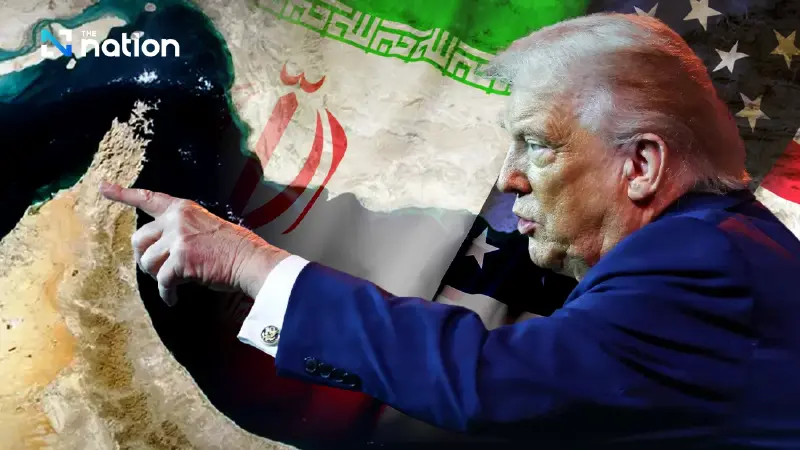


Fresh diplomatic efforts raise hopes of a pause in the Iran conflict, even as disruption in the Strait of Hormuz continues to rattle global energy markets
US President Donald Trump has signalled that the war against Iran, waged alongside Israel, could be nearing an end, as diplomatic efforts intensify and Pakistan moves again to narrow the gap between the two sides. Yet despite the more hopeful tone, the crisis remains unresolved, with shipping through the Strait of Hormuz still badly disrupted and global energy markets under strain.

The latest push for diplomacy comes as Pakistani Army chief Field Marshal Asim Munir arrived in Tehran in an effort to help reduce tensions and revive negotiations after a recent round of talks ended without agreement. The White House has said discussions about a possible second round remain active and positive, with Pakistan still central to the mediation effort.
Trump told US media that the next few days could bring clearer progress and said he believed both sides wanted a deal quickly. Market sentiment reflected that optimism, with investors responding positively after he said the war was “close to over”.
Pakistan steps back in as mediator
Pakistan has re-emerged as a crucial intermediary in efforts to contain the conflict. Asim Munir had arrived in Tehran with the aim of helping bridge differences after playing an important role in earlier talks. Turkey has also said it is working to help extend the ceasefire and keep diplomacy alive.

Nuclear dispute still blocks a deal
Even so, the negotiations remain stuck on core issues surrounding Iran’s nuclear programme. The United States has proposed a much longer suspension of nuclear activity, while Iran has offered a far shorter timeframe. Other sticking points include Washington’s demand that nuclear material be removed from Iran and Tehran’s insistence that international sanctions must be lifted.

Hormuz remains under heavy pressure
The military and economic pressure has not eased. The US blockade of Iranian maritime trade sharply disrupted shipping in the first 48 hours, while the Strait of Hormuz remains central to the negotiations because it carries roughly one-fifth of global oil and LNG flows. Hundreds of tankers and around 20,000 seafarers have been trapped in the Gulf since the conflict began.
Iran has floated a proposal that would allow ships to leave through the Omani side of the strait without attack, but that remains contingent on wider agreement with the United States. There is still no clarity on how quickly normal traffic could resume, or whether all classes of ships would be protected.

Global fallout remains severe
The war’s economic fallout continues to ripple worldwide. Oil prices have been pushed higher, shipping routes have been thrown into disarray, and governments far beyond the region are scrambling to secure energy alternatives while calling for the ceasefire to hold.
Beyond the economic fallout, the war has also inflicted a heavy humanitarian cost. Around 5,000 people have been killed, most of them in Iran and Lebanon, underscoring the severity of the crisis even as efforts to secure a lasting pause continue.
