
Confusion at sea casts doubt on Hormuz reopening


Oil prices sank after Iran signalled Hormuz was open, but tanker hesitation, mine fears and shipping curbs showed the threat to global supply is far from over
Oil prices fell sharply on Friday after Iran said commercial vessels could use the Strait of Hormuz during the ceasefire period, easing immediate fears of a prolonged energy shock. But confusion at sea and continued warnings from the shipping industry suggested the crisis was far from resolved.
US crude futures closed down about 12% at US$83.85 a barrel, while Brent crude settled nearly 9% lower, as financial markets welcomed what appeared to be a major step towards restoring one of the world’s most important oil transit routes.
The sell-off reflected hopes that the worst disruption to global energy supplies might begin to ease. Yet developments on the water told a far more cautious story.
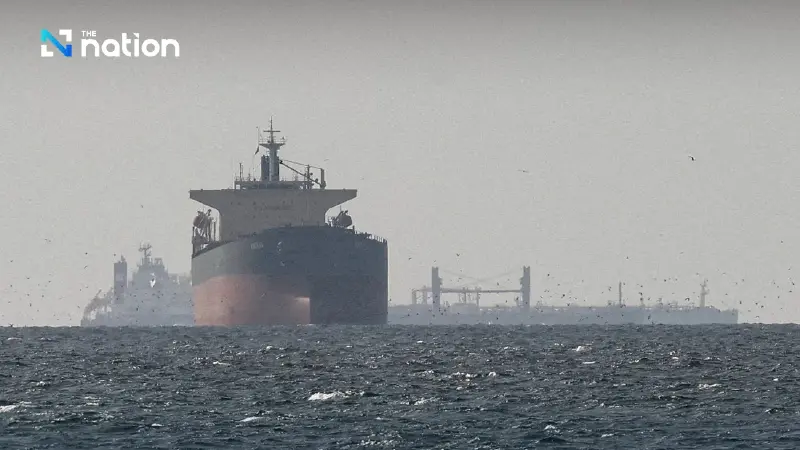
Video footage and ship-tracking data indicated that tanker traffic through the strait remained hesitant even after Tehran’s announcement. A number of tankers and cargo ships attempted to move out through the waterway on Friday, following routes designated by Iran near Larak Island, but several later stopped or abruptly turned back.
Analysts said the behaviour suggested that many vessels still lacked confidence that passage was genuinely secure.
Iranian Foreign Minister Abbas Araqchi had initially described the strait as fully open throughout the ceasefire period with the United States and Israel. But subsequent messaging from Iranian outlets close to the Islamic Revolutionary Guard Corps pointed to conditions that looked similar to the restrictions already imposed over recent weeks.
Commercial ships were still expected to follow routes set by Tehran and coordinate transit plans with Iranian forces. Reports also suggested that vessels or cargoes linked to countries viewed as hostile by Iran might not be allowed through.
That left shipping companies, insurers and maritime analysts questioning whether the reopening represented a real breakthrough or only a limited easing under tight Iranian control.
Several analysts warned that the waterway remained effectively constrained in practice, despite the headline declaration that it had reopened. One described the development as a “false dawn”, arguing that the key issue was not the announcement itself, but whether ships could move freely and safely without new political or military conditions.
Further uncertainty came from Washington. Donald Trump said the US naval blockade of Iran remained in place, while Tehran has warned that it could again shut the strait if the blockade is not lifted.
That contradiction has added to uncertainty over the true operating status of the passage, which handles a critical share of the world’s oil and fuel exports.
The world’s biggest shipping groups have responded carefully. Industry bodies and shipowners said they needed clearer guarantees before resuming normal operations, especially given the lingering threat of sea mines and unresolved questions over which routes could safely be used.
BIMCO, the world’s largest shipping association, advised shipowners on Friday to avoid the Strait of Hormuz for now, warning that the area had not yet been declared safe for navigation. Maritime officials and shipping executives echoed the same concern, saying diplomatic movement may have helped calm financial markets, but it had not yet solved the physical disruption to energy flows.
That distinction matters. The oil market may react instantly to political signals, but supply chains move much more slowly. The final tankers that left the Gulf before the strait was effectively shut have already been travelling for weeks to Asia, Europe and North America. Once those cargoes are delivered, the real impact of the disruption will begin to hit refiners and buyers more directly.
Analysts warned that Asia could feel the pressure most severely. Refineries across the region depend heavily on Middle Eastern crude, and if no fresh cargoes emerge from the Gulf, they may be forced to cut runs. That could in turn tighten supplies of refined products such as jet fuel and other transport fuels in importing markets.
The supply strain is expected to deepen with every day that uncertainty persists.
Even if the strait does reopen more fully, shipping traffic is unlikely to return to normal quickly. Major operators are expected to wait and watch how early movers fare before committing more vessels to the route. Maritime analysts said it could take months before confidence, insurance coverage and vessel flows normalise.
So while markets have seized on the reopening signal as a reason to push oil lower, the broader energy system is still operating under a cloud of risk.
For now, the headline may say Hormuz is open. But for many in the shipping world, the route still does not look fully safe, fully free or fully back in business.
