
Hormuz reopens – Iran clears shipping lanes during Lebanon ceasefire
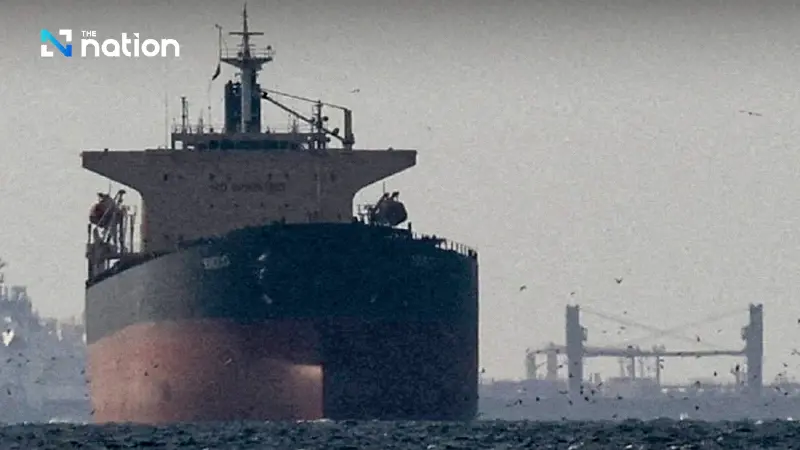


Iran reopens the Strait of Hormuz to commercial shipping during the Lebanon ceasefire, easing global energy concerns and stabilising key oil routes.
Iran has reopened the Strait of Hormuz to commercial shipping during a ceasefire linked to Lebanon, easing global energy concerns and helping to stabilise one of the world’s most critical oil routes.
The move comes as part of a broader de-escalation effort in the region. According to Reuters, Iranian Foreign Minister Abbas Araqchi confirmed that the strait is now open to all commercial vessels for the duration of the ceasefire, which follows an agreement tied to developments in Lebanon.
Posting on X, Araqchi said the waterway would remain accessible for the remainder of the US-brokered 10-day truce involving Israeli forces and Iran-backed Hezbollah, agreed between Israel and Lebanon.
The announcement signals a temporary easing of tensions in a region that has faced rising fears of disruption to vital shipping lanes.
Meanwhile, US President Donald Trump struck a more assertive tone in a post on Truth Social, declaring that “the Strait of Hormuz is completely open and ready for business, with full passage available”.
He stressed that a US naval blockade targeting Iran would remain “in full force and effect” until a broader agreement is finalised, adding that most key points had already been negotiated and suggesting the process could move quickly.

The Strait of Hormuz remains a critical artery for global energy supplies, with roughly a fifth of the world’s oil consumption passing through the narrow corridor each day.
Any disruption to traffic typically sends shockwaves through international markets, pushing up oil prices and heightening concerns over supply security.
