
BBC prepares sweeping layoffs as financial overhaul deepens
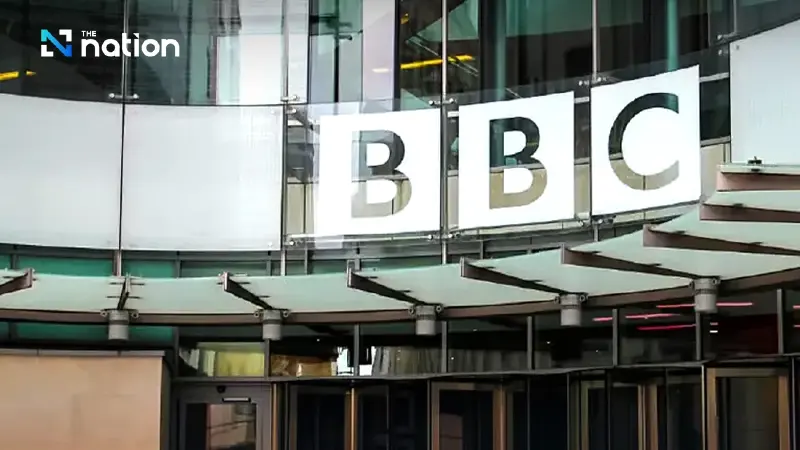


Interim chief Rhodri Talfan Davies said inflation, pressure on the licence fee and commercial income, and a weak global economy were driving the move.
- The BBC is preparing for its largest round of job cuts in over a decade, with up to 2,000 positions at risk.
- The cuts are part of a plan to reduce the broadcaster's annual budget by 10%, equivalent to US$677 million, over the next two years.
- Financial pressures driving the overhaul include inflation, a turbulent global economy, and challenges to the BBC's licence fee and commercial income.
- The broadcaster's licence fee funding model is facing increased criticism in the streaming era, contributing to the financial strain.
Financial strain at the BBC is set to trigger the broadcaster’s biggest round of job cuts in more than a decade, with up to 2,000 posts at risk under a plan to remove 10% of its annual budget, or US$677 million, over the next two years.
The proposal was outlined to staff on Wednesday during a call, after the BBC had already warned earlier this year that it faced “substantial financial pressures” and was aiming to cut about a tenth of its budget by 2029. Most of the savings are due to be made in the fiscal year beginning on April 1, 2027.
In an email to employees, interim Director-General Rhodri Talfan Davies wrote: “I know this creates real uncertainty, but we wanted to be open about the challenge.” He said inflation, pressure on the licence fee and commercial income, and a turbulent global economy were behind the planned reductions.
The announcement comes shortly before former Google executive Matt Brittin is due to take over as director-general next month. He is set to fill the vacancy left after Tim Davie and head of news Deborah Turness resigned over a misleading edit in a documentary about US President Donald Trump’s speech on January 6, 2021, before his followers stormed the US Capitol. Trump is suing the BBC for US$10 billion for defamation.
The BBC remains both a cherished and frequently criticised British cultural institution. It is funded by an annual licence fee, recently increased to US$244, paid by all UK households that watch live television or any BBC content.
That fee has come under growing criticism, including from rival commercial broadcasters, in the streaming era, when many people no longer own television sets or follow traditional broadcast schedules. The centre-left Labour government has said the BBC should have “sustainable and fair” funding, but has not ruled out replacing the licence fee with another model.
Founded in 1922 as a radio service to “inform, educate and entertain”, the BBC has since expanded into 15 UK national and regional television channels, several international channels, 10 national radio stations, dozens of local radio stations, the worldwide World Service radio network and an extensive digital operation, including the iPlayer streaming service.
