
US-Iran peace push stalls as intelligence doubts blockade pressure on Tehran
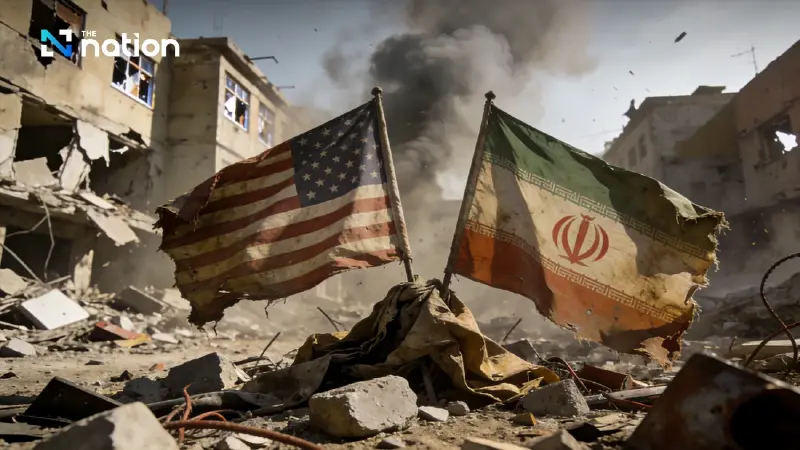


Efforts to end the US-Iran war have faltered again, as clashes resumed in and around the Strait of Hormuz and a reported CIA assessment suggested Tehran could withstand a blockade for months.
Efforts to end the war between the United States and Iran appeared to stall on Friday as the two sides exchanged fire in the Gulf and Washington waited for Tehran’s response to a US proposal aimed at formally ending the conflict. Reuters reported that the latest flare-up came despite a month-old ceasefire that had largely held until this week.
A reported CIA assessment added a new complication to the diplomacy. According to Reuters, the analysis suggested Iran could withstand a US naval blockade of its ports for about another four months, raising fresh questions over how much leverage Washington really has as it pushes for a settlement. A senior US intelligence official disputed that interpretation, insisting the blockade was already inflicting mounting damage on Iran’s economy.
The proposal now under discussion would formally end the war before moving on to more contentious issues, including Iran’s nuclear programme and the reopening of the Strait of Hormuz. US Secretary of State Marco Rubio said Washington expected a response from Tehran, while Iran’s foreign ministry said it was still weighing its position.
Trump sent sharply mixed signals over the chances of success. He said in Washington that a deal remained possible and that the latest talks had gone well, but earlier struck a far harder tone by threatening to restart US bombing if Iran refused to accept the proposal. The contrast underscored just how fragile the negotiations remain.
The military confrontation also widened beyond the strait. The United Arab Emirates said its air defences intercepted two ballistic missiles and three drones from Iran on Friday, leaving three people with moderate injuries. In the Strait of Hormuz itself, Iranian and US forces were involved in sporadic clashes, while the US military said it struck two Iran-linked vessels trying to enter an Iranian port and forced them to turn back.
Oil markets reacted nervously. Brent crude rose back above US$100 a barrel after dipping sharply earlier in the week, reflecting the market’s uncertainty over both the ceasefire and the future of shipping through Hormuz, which before the war carried about a fifth of the world’s oil supply.
Iran, meanwhile, accused Washington of breaching the truce. Foreign Minister Abbas Araqchi said the US kept opting for military action whenever diplomacy was possible, while Iranian media reported casualties after what it described as a US Navy attack on a commercial vessel. On the American side, Washington also stepped up sanctions, targeting 10 individuals and companies, including entities in China and Hong Kong, accused of helping Iran’s military obtain components for its drone programme.
For now, the peace effort remains alive, but only just. The fighting has not fully stopped, the ceasefire is under strain, and the core disputes over sanctions, shipping and Iran’s nuclear ambitions remain unresolved.
Source: Reuters
