
Meta begins global layoffs as AI spending surges
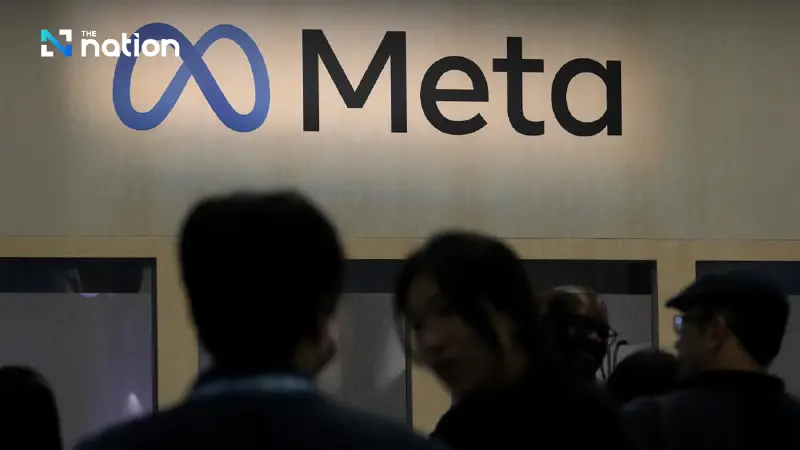


Meta starts notifying staff of global job cuts as the tech giant ramps up AI investment and restructures teams worldwide
Meta starts global layoffs from Singapore
Meta Platforms has begun notifying employees about a new round of global layoffs, starting with workers in Singapore, the company’s Asian headquarters, at around 4am local time on Wednesday, according to an internal memo.
Employees in Europe and the United States are also expected to receive notices during their respective mornings as the company moves ahead with plans to cut around 8,000 jobs worldwide.
The latest layoffs form part of a broader restructuring programme previously outlined by Meta, aimed at improving efficiency, reducing costs and accelerating massive investment in artificial intelligence.
Staff were advised to work from home while the company prepared to eliminate positions across multiple divisions. Sources familiar with the plan said engineering and product teams were expected to be among the hardest hit, with another round of cuts also possible later this year.
AI becomes Meta’s top priority
Earlier this week, Meta reassigned around 7,000 employees into newly created AI-focused teams working on AI products and AI agents, according to people familiar with the changes.
The company had nearly 80,000 employees at the end of March before the internal reshuffle and latest job cuts.
Meta has pledged to spend more than US$100 billion on AI this year alone as chief executive Mark Zuckerberg races to keep pace with rivals including Google parent Alphabet and OpenAI.
The aggressive push into AI is reshaping not only Meta’s workforce but also the company’s operating culture, following several rounds of layoffs over recent years.
Meta chief people officer Janelle Gale said the company believed flatter organisational structures and smaller “pod-style” teams could move faster and operate more efficiently.
“We are at a point where many organisations can operate with much flatter structures, with smaller pod-style teams that move faster and have greater ownership,” Gale wrote.
“We believe this will make us more efficient and make work more meaningful.”
Engineers urged to rely more on AI
As Zuckerberg pushes efficiency across the company, he has encouraged engineers to use AI agents to assist with coding and other tasks.
Meta is also reportedly exploring ways to monitor employee devices to improve its technology, while Zuckerberg himself has been developing AI-powered assistants to help handle some executive duties, including summarising employee feedback.
The changes have reportedly unsettled many employees inside Meta.
More than 1,000 workers have signed a petition sent to Zuckerberg and senior executives calling on the company not to collect detailed data from employee devices, including keystrokes, mouse movements and on-screen activity that could potentially be used to train AI systems.
Some employees have also posted on social media about fears of losing their jobs and worsening morale inside the company.
Investors question Meta’s AI spending
Meta’s increasingly aggressive AI spending has also fuelled concern among investors, who worry the enormous investment may ultimately fail to deliver the returns the company expects.
Although Meta has framed the layoffs as a way to offset part of the cost of its AI expansion, analysts at Evercore estimate the latest job cuts would save only around US$3 billion.
That figure remains small compared with Meta’s projected spending this year, which could reportedly reach US$145 billion, excluding hundreds of billions of dollars more the company is expected to invest in AI infrastructure before the end of the decade.
The scale of the spending reflects how fiercely major technology firms are now competing to dominate the next phase of AI development even as questions continue to grow over whether the returns will justify the cost.
