
Over 20,000 sailors stranded at sea as Hormuz crisis deepens
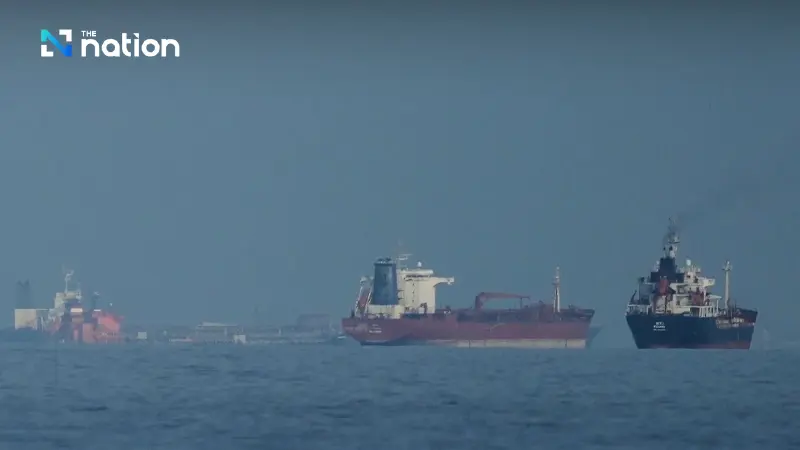


More than 20,000 sailors are stranded on vessels in the Gulf, facing food shortages, pay delays and fear of missile and drone attacks.
More than 20,000 seafarers have been left stranded on around 2,000 vessels in the Gulf as the closure of the Strait of Hormuz deepens a humanitarian crisis at sea.
Many crew members are unable to leave their ships, while some are running short of food and fresh water. Others are living with growing anxiety over an uncertain future in waters overshadowed by the threat of missile and drone attacks.
Seafarers interviewed by Reuters in recent weeks described worsening hardship, isolation and fear, while the International Transport Workers’ Federation warned that conditions for many crew members had become increasingly severe.
“The only thing we do here is plan how to spend the night and pray to God that we do not get hit during an attack,” Indian sailor Salman Siddiqui said by phone from his stranded vessel last month.
This week, Reuters travelled on a resupply boat to ships anchored off the Saudi coast, where crew members on a tanker gathered at the handrail and waved — a rare moment of contact with the outside world.
For nearly three months, many of the sailors trapped in the Gulf have lived in near isolation, confined to their vessels with small groups of colleagues. Their daily lives are spent moving between cramped cabins, communal dining areas and decks scorched by the sun.
Mohamed Arrachedi, network coordinator for the Arab World and Iran at the International Transport Workers’ Federation, said the war had made seafarers even more vulnerable.
“Seafarers’ vulnerability and exposure is more, let’s say, extreme because of the war,” he said.

Arrachedi said the federation had dealt with cases involving delayed wages, shipowners refusing to help crews return home, shortages of supplies and constant fear of missile and drone strikes. Some seafarers had called him in tears while seeking help.
In some cases, shipowners have allegedly refused to arrange repatriation, or have agreed to do so only if crew members give up unpaid wages owed to them.
Some sailors said they were receiving only one meal a day, usually rice or lentils. Others said they had only brief access to the internet, leaving them little time to speak to their families or seek outside assistance.
The crisis has exposed the hidden human cost of disruption around one of the world’s most important maritime chokepoints, where thousands of civilian seafarers remain caught between blocked shipping routes, delayed pay and the fear that the next attack could hit their vessel.
