
Ebola outbreak in DR Congo spreads to three new eastern health zones
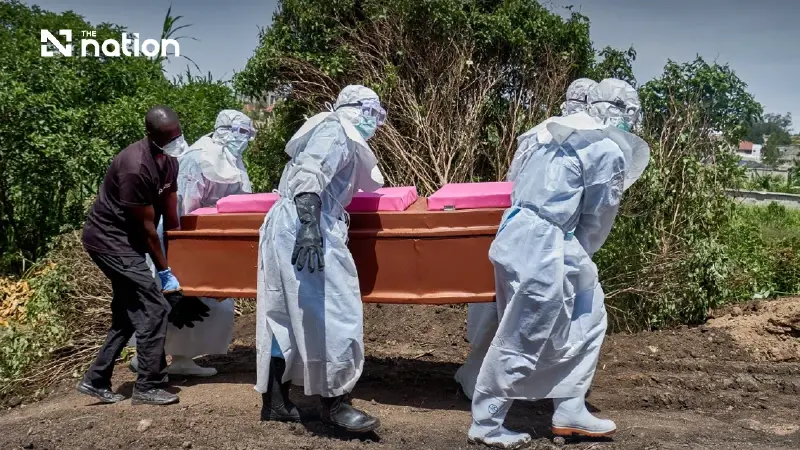


Confirmed infections have risen to 676, with 136 deaths, as insecurity and mistrust hamper efforts to contain the virus in North Kivu and Ituri.
- The Ebola outbreak in eastern DR Congo has expanded into three new health zones located in the North Kivu and Ituri provinces.
- As the outbreak spreads, the total number of confirmed cases has risen to 676, with 136 deaths recorded.
- Containment efforts are being hampered by violence from armed groups and deep community mistrust, making it difficult for health workers to access affected areas.
- The ongoing spread has raised concerns about a serious risk of the outbreak crossing borders into neighboring Uganda and Rwanda.
DR Congo’s Ebola outbreak has reached three additional health zones in the east of the country, the government said in a report published on Thursday, as confirmed cases rose to 676, including 136 deaths.
The total reflected confirmed infections recorded by Wednesday (June 10), the health minister said in a post on X.
The newly affected zones are in North Kivu and Ituri, two provinces already at the centre of the outbreak.
Under DR Congo’s healthcare system, a health zone covers a defined area served by a network of clinics and a referral hospital.

Each zone typically covers about 100,000 to 150,000 people.
The country has more than 500 health zones.
The outbreak is concentrated in eastern DR Congo, particularly in North Kivu and Ituri, where health workers face a major obstacle in continuing violence involving local armed groups.
The insecurity has made it difficult and dangerous to send medical teams into affected areas, carry out disease control work and trace people who may have had close contact with patients.

Health officials are also confronting deep mistrust in some communities. Residents in several villages remain fearful and lack accurate information about the disease, while some have resisted or attacked Ebola treatment centres because of rumours that the facilities themselves are spreading the virus.
International health organisations are closely monitoring the situation because the affected area lies near Uganda and Rwanda.
If control measures in DR Congo remain limited by insecurity, there is a serious risk that Ebola could spread across borders and develop into a regional outbreak.
