
Thailand sets out seven policies for sustainable tourism growth
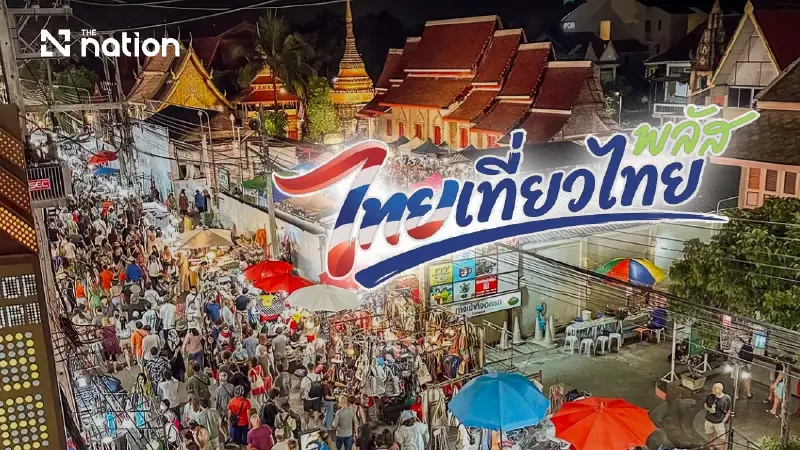


Seven policies cover higher-value travel, income distribution, year-round demand, global events, organisational governance and future resilience.
- Thailand will prioritize high-value tourism and meaningful travel experiences over increasing visitor numbers to ensure sustainable growth.
- The plan aims to distribute economic benefits by promoting tourism in secondary cities and 55 targeted local communities nationwide.
- Initiatives will be launched to encourage year-round travel, including domestic promotions and positioning Thailand as a global hub for major events like the Tomorrowland music festival.
- The policies include strengthening the governance and efficiency of the Tourism Authority of Thailand (TAT) to prepare for future challenges and manage its transition to the Ministry of Culture.
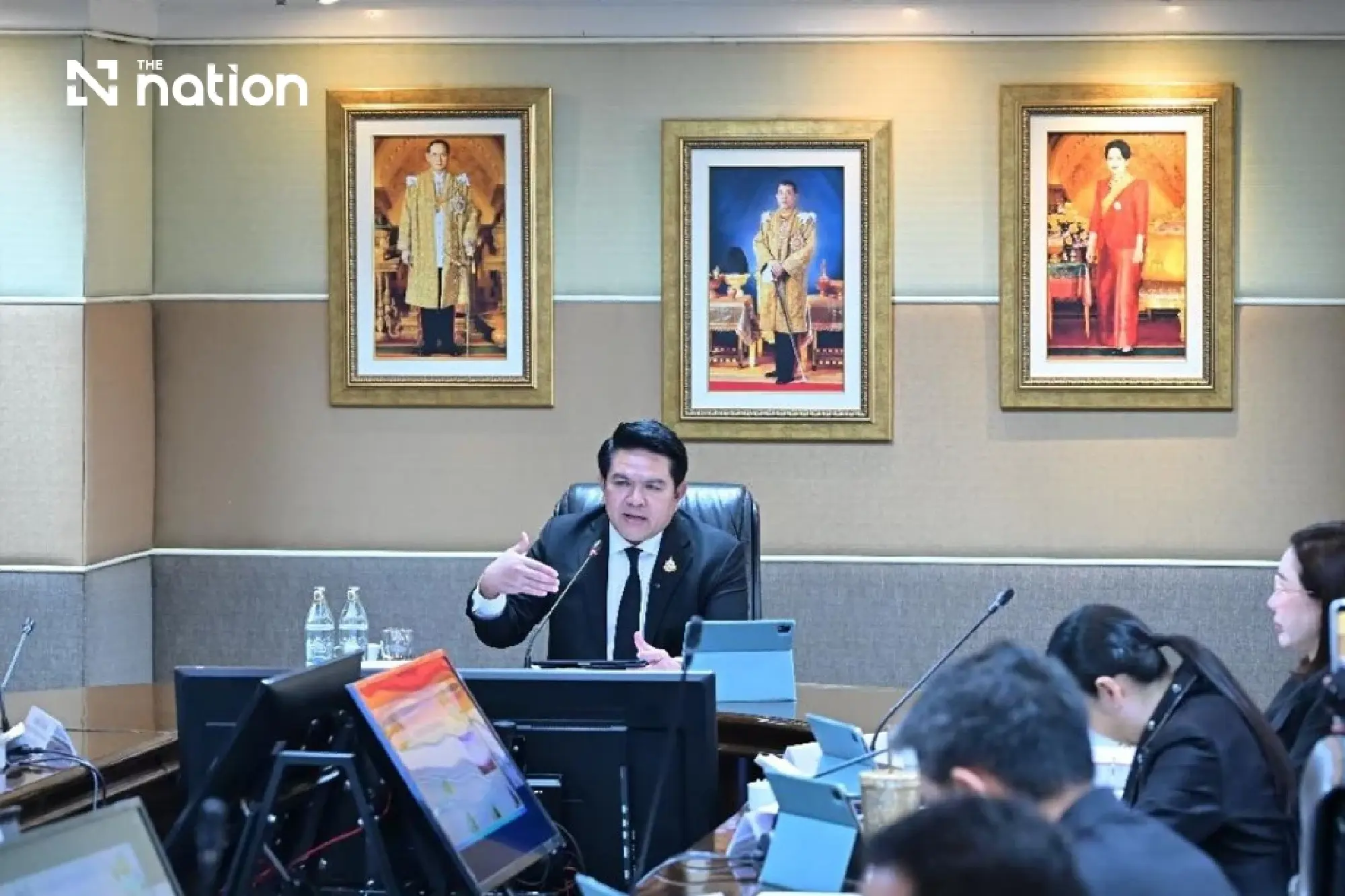
Minister of Tourism and Sports Surasak Phancharoenworakul attended a meeting with the Tourism Authority of Thailand (TAT) board and senior executives on Monday (July 27, 2026).
He delivered key policies to drive Thailand’s tourism industry.
The policies aim to elevate the country as a meaningful, high-value and sustainable tourism destination (Meaningful & High Value Destination), while responding effectively to changes in the global situation.
At the meeting, the minister set out seven key policies and operational guidelines under the concept “Tourism for All, Tourism for the Future: Thai tourism for everyone, towards a sustainable future”, comprising:

Prioritise quality over quantity (Value over Volume)
Place greater emphasis on improving tourism quality and generating high value (High Value), rather than relying solely on visitor numbers, to drive the economy sustainably and focus on selling meaningful travel experiences (Meaningful Travel) to tourists.
Distribute income to local areas
Support and promote tourism in secondary cities and 55 target communities nationwide to distribute economic opportunities and build strength from the grassroots.
Promote travel 365 days a year through a concrete market-stimulation framework
Advance key projects to stimulate the domestic tourism market and support travel during the high season, including:
- The Thai Tiew Thai Plus, or Co-pay, project will stimulate domestic travel to build strength from within, support tourism operators and distribute income across all regions.
- The Fly Thai All the Feelings project, implemented in cooperation with six domestic airlines, will offer Thai travellers benefits and discounted airfares covering 400,000 seats to reduce the burden of travel costs caused by volatility in global oil prices.
- The Thailand Air Connect project will involve close cooperation with airlines and marketing partners to maintain flight stability and increase flight frequencies and seat capacity on both charter and commercial flights, supporting tourists from around the world.

Position Thailand as a global event hub (Event Hub)
Continue preparations to host the world-class music festival Tomorrowland Thailand from 2026 to 2030.
The event is regarded as an important mechanism for strengthening competitiveness, attracting high-value tourists and giving Thai artists, creative professionals and entrepreneurs opportunities to showcase their capabilities on the global stage.
It is expected to generate an estimated net economic value of THB3.458–5.301 billion per year, with at least 127,500 international participants and at least 22,500 Thai participants.
Manage the transition during the transfer to the Ministry of Culture
As TAT is a state enterprise under the Tourism Authority of Thailand Act, it can continue carrying out its responsibilities.
The minister asked TAT to serve as the main coordinator in driving the tourism ecosystem, prevent any gap or disruption during the handover, and consult closely with both ministries on drafting a ministerial regulation to define the scope of duties clearly.
Strengthen governance and organisational efficiency
Develop TAT into a high-performance organisation that builds confidence, serves as a pillar of the tourism industry, uses its budget transparently and delivers measurable results in revenue, competitiveness and improvements to people’s quality of life.
Prepare Thailand for the future
The TAT board was instructed to oversee operations with a long-term perspective, carry the work forward and meet the country’s future needs, while strengthening resilience and readiness to respond to rapidly changing global conditions.
Combining domestic market stimulation, efforts to attract global events and good organisational governance will be key to ensuring stable growth for Thai tourism, enabling it to meet every challenge and deliver the greatest possible benefits to the economy and all Thai people.
