
Iran’s Supreme Leader backs direct US talks but warns limits remain
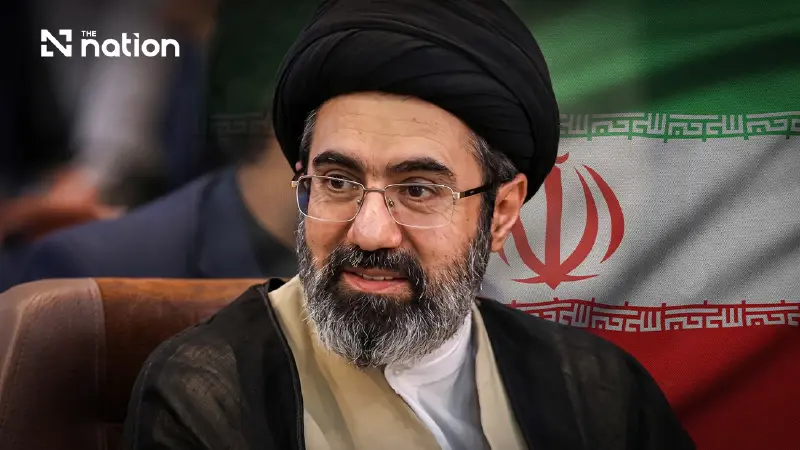


Iran’s Supreme Leader has approved direct negotiations with US officials as a new agreement opens the Strait of Hormuz and eases energy tensions
Iran’s Supreme Leader has approved direct negotiations with United States officials, marking his first public response to a newly reached agreement aimed at ending the latest phase of tensions between the two countries.
According to international media reports, including Channel News Asia, oil tankers have resumed free passage through the Strait of Hormuz after Washington lifted restrictions on Iran on Thursday (18 June), following the implementation of the agreement. The reopening of the vital shipping route signals an initial easing of pressure on global energy flows.
However, uncertainty remains over the durability and next phase of the deal. US Vice President JD Vance has indicated he may postpone his planned visit to Switzerland on Friday (19 June), where the agreement was expected to be formally signed. The trip was also expected to help launch further negotiations for a longer-term settlement.
Shortly afterwards, Iranian state media broadcast a statement attributed to Ayatollah Mojtaba Khamenei, confirming approval for direct talks with US officials. He reportedly said he had differing views on the memorandum but approved it following assurances from Iran’s president and the Supreme National Security Council that national interests would be protected.
Khamenei, who has rarely appeared in public since assuming his position in March following the death of Ayatollah Ali Khamenei in an attack blamed on the United States and Israel, described the agreement as a necessary step despite reservations. His remarks represent his first formal reaction to the US–Iran understanding.
He also criticised US President Donald Trump, alleging that he had used “every possible means” out of desperation to secure the deal. At the same time, he warned that future negotiations would not imply acceptance of opposing positions and said any agreement would be rejected if US demands exceeded Iran’s limits.
While the reopening of the Strait of Hormuz has been viewed as a significant step towards de-escalation, officials and observers continue to caution that the wider regional situation remains fragile, particularly amid parallel conflicts in the Middle East.
