
Khamenei funeral pauses US-Iran conflict as fragile peace talks loom
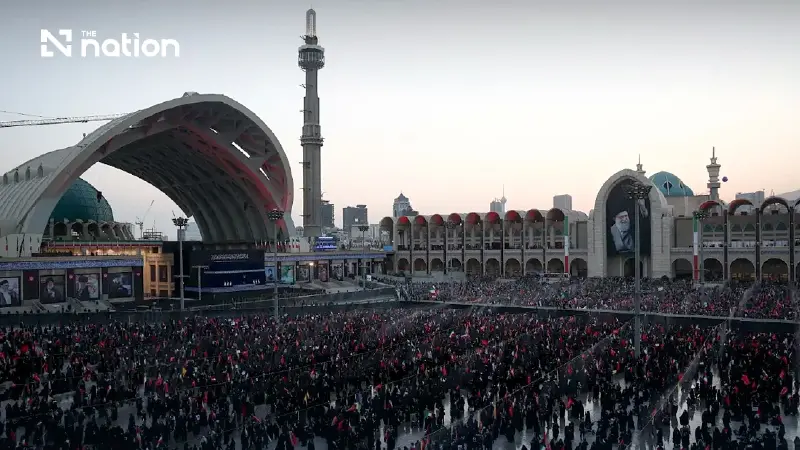


The funeral of Iran’s slain former supreme leader Ayatollah Ali Khamenei has created a temporary pause in the US-Iran conflict, as mourners gather in Tehran and negotiators prepare to resume talks on the Strait of Hormuz and frozen Iranian funds.
The funeral of Iran’s slain former supreme leader Ayatollah Ali Khamenei has turned into a high-stakes pause in the US-Iran conflict, as huge crowds gather in Tehran, Washington signals a temporary halt in attacks, and negotiators prepare to resume talks on the Strait of Hormuz and frozen Iranian funds after the burial rites.
Iran has begun several days of state funeral ceremonies for Khamenei, who was killed in a US-Israeli airstrike in February, along with several members of his family. The ceremonies began at the Imam Khomeini Grand Mosalla prayer complex in Tehran, where large crowds gathered in mourning and defiance. Reuters reported that the funeral processions are expected to run through Tehran, Qom and the Iraqi holy cities of Najaf and Karbala, before concluding with burial in Mashhad on July 9.
The funeral has become more than a religious ceremony. It is also a political test for Iran’s new leadership, a show of unity by the Islamic Republic, and a rare diplomatic window in a conflict that has drawn in the United States, Israel and regional powers.

Tehran uses funeral to project unity and defiance
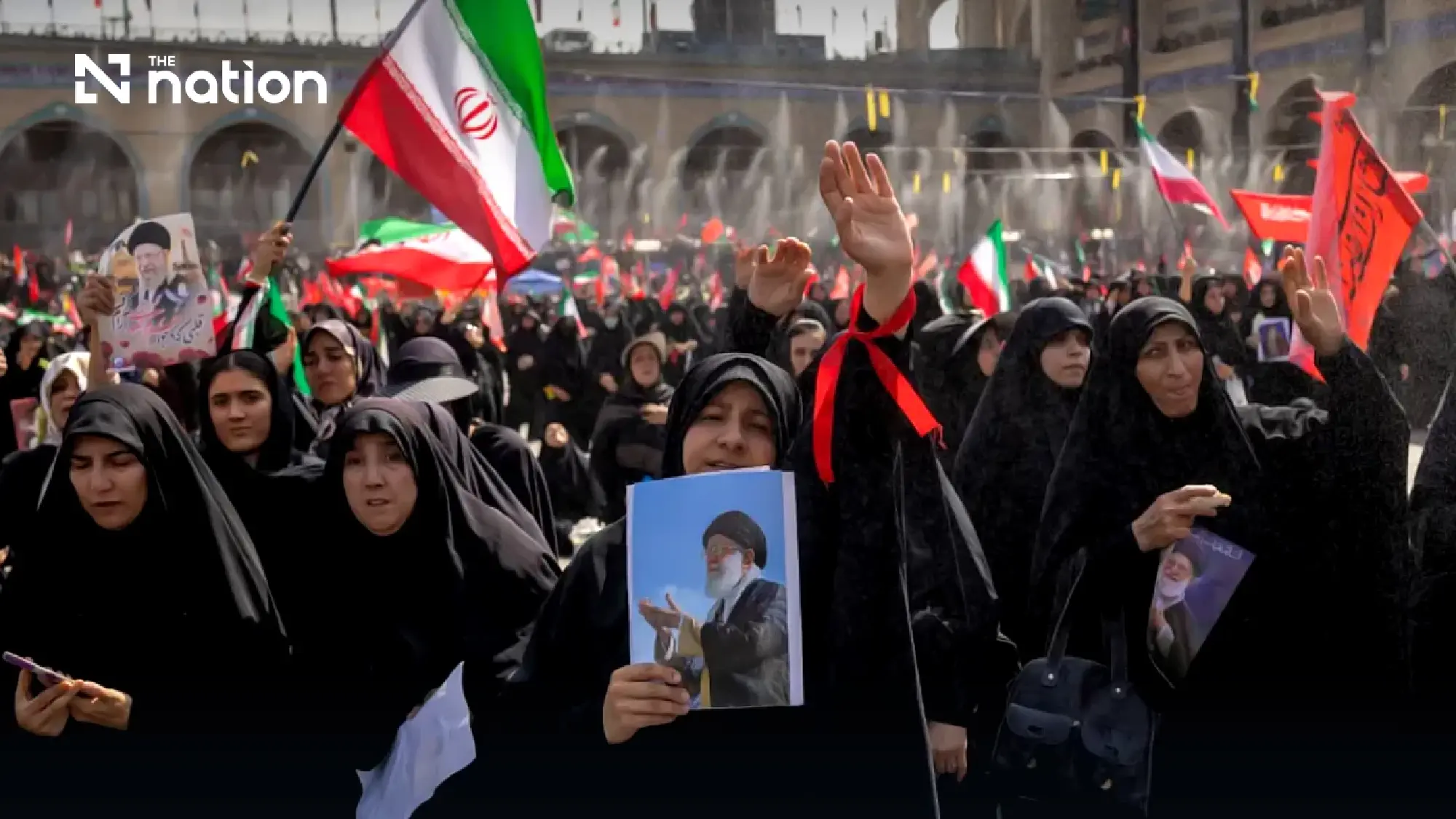
Iranian media reported that mourners filled the ceremony site hours before the rites began, despite intense heat. Officials set up misting systems and distributed cold drinks as crowds gathered for the official prayers and farewell ceremony.
The scale and route of the funeral appear designed to carry both religious and political meaning. After the ceremonies in Tehran, Khamenei’s body is due to be taken to Qom, one of Iran’s most important religious centres, before being flown to Iraq for ceremonies in Najaf and Karbala, two of the holiest cities in Shia Islam. The body is then expected to return to Iran for burial in Mashhad.
The processions allow Tehran to present Khamenei’s death as an act of martyrdom and to demonstrate that Iran’s influence across the Shia world remains intact. However, the wider public mood inside Iran remains harder to measure, with reports noting that mass mourning is taking place against a backdrop of political tension, economic hardship and deep divisions within society.

Mojtaba’s absence raises succession questions
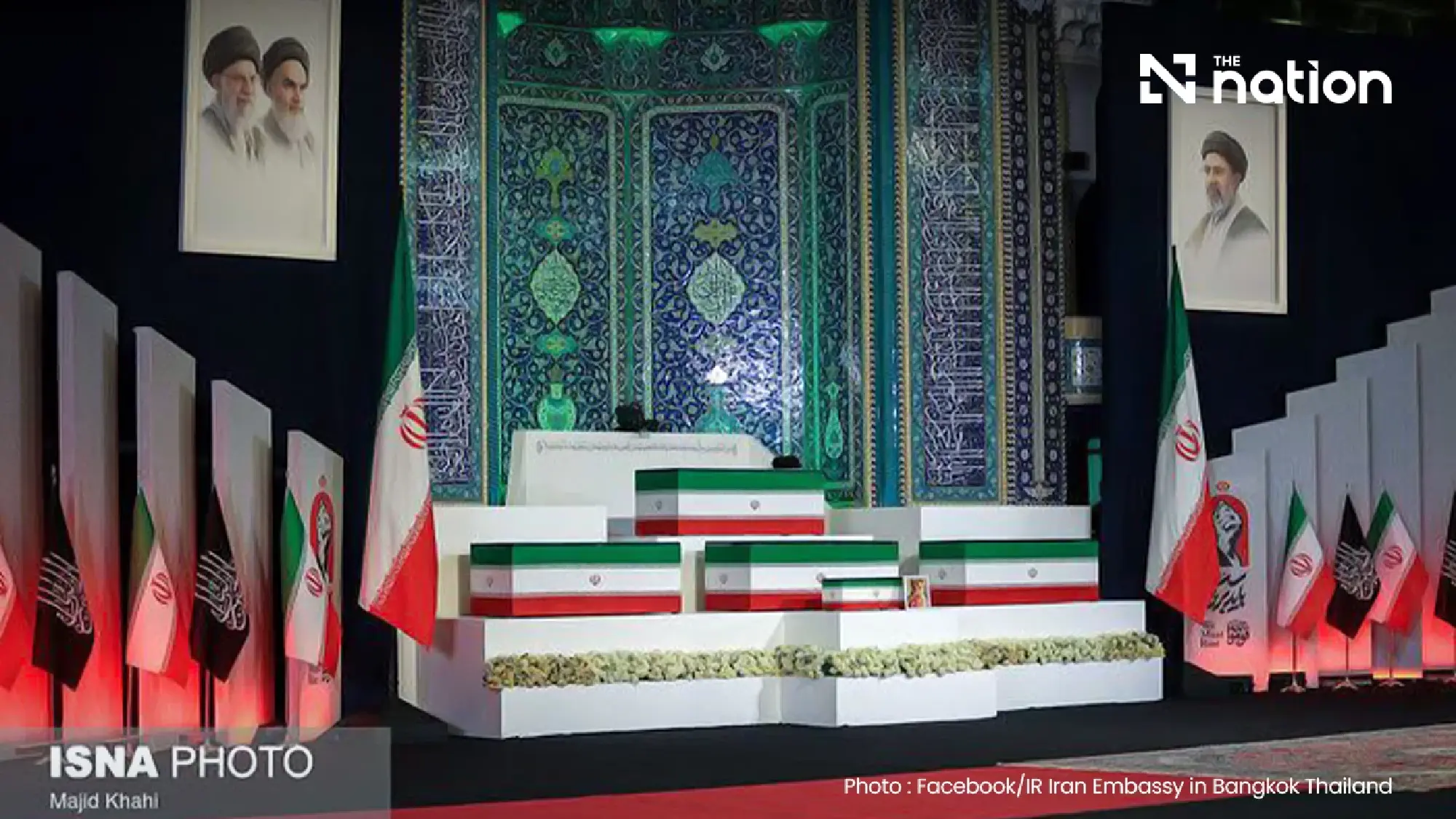
The funeral has also drawn attention to the absence of Mojtaba Khamenei, the late leader’s son and successor. He has not appeared publicly since the February strike, fuelling speculation over his security and the direction of Iran’s new leadership.
Iranian authorities have said he will not attend the funeral ceremonies because of security concerns. AP reported that Mojtaba was notably absent from the funeral, while Reuters said he has not been publicly seen since reportedly being injured in the same attack.
His absence adds uncertainty to Iran’s political transition at a highly sensitive moment. Analysts cited in the original report believe the new leadership may take a harder line than Khamenei’s, particularly over the Strait of Hormuz, Lebanon and Iran’s confrontation with Israel and the United States.

Trump signals pause but keeps pressure on Tehran
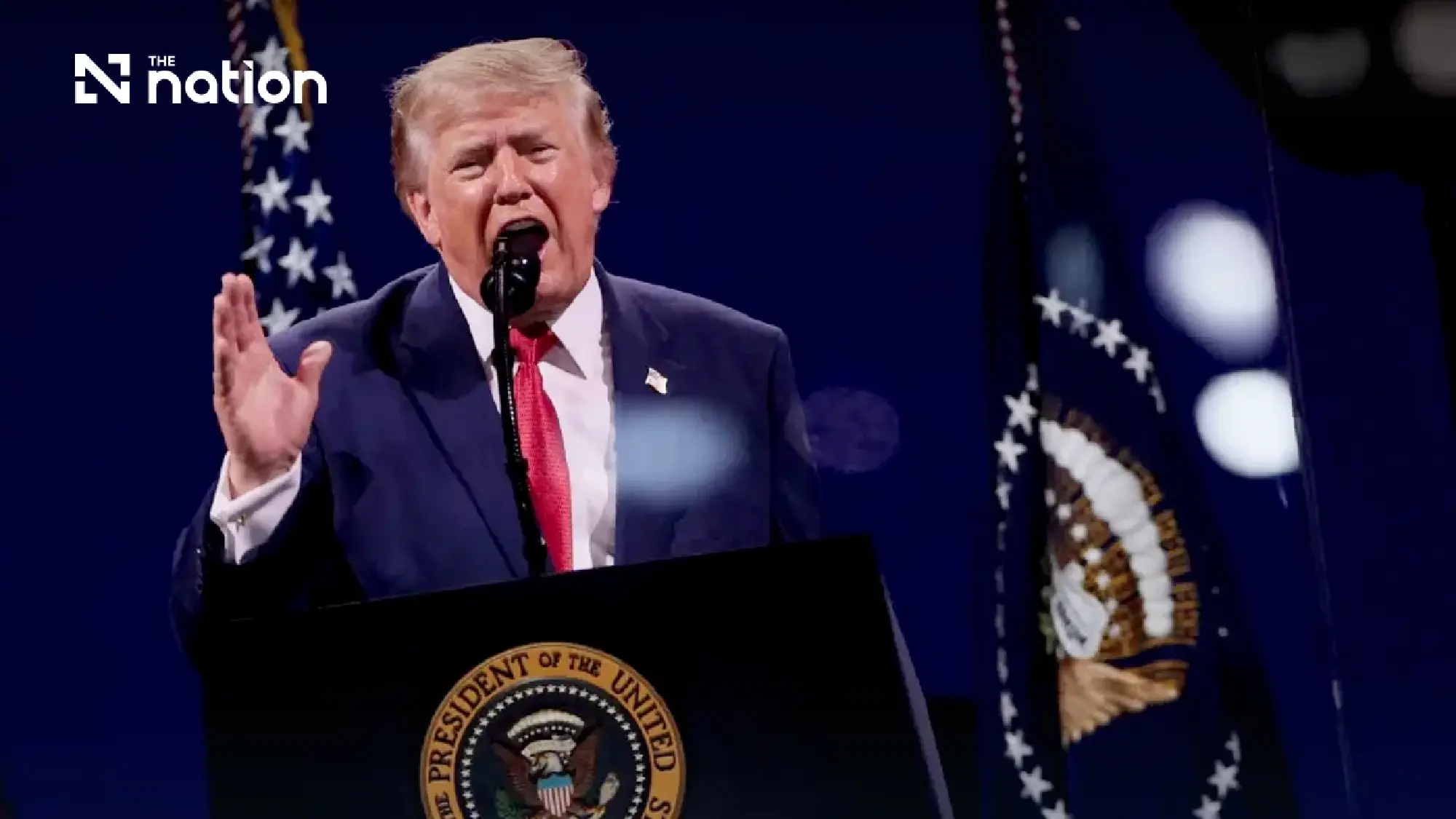
US President Donald Trump has said Washington will hold off during the funeral period, giving the ceremonies a temporary ceasefire function. Al Jazeera reported that Trump vowed calm during the funeral, while other reports said talks had been paused during the mourning period.
However, Trump’s remarks have also added volatility to the moment. According to reports citing Axios, he expressed surprise at the scale of public mourning in Iran and also said Israeli Prime Minister Benjamin Netanyahu had asked for a White House meeting. In the same interview, Trump said Netanyahu “knows who the boss is”, underlining pressure from Washington as US-Israel differences over Iran strategy become more visible.
The funeral pause therefore does not remove the risk of renewed confrontation. Instead, it has created a narrow interval in which Washington, Tehran and regional mediators must decide whether to turn the ceasefire into a broader political process.
Doha talks focus on Hormuz and frozen funds
The most important diplomatic track is the indirect US-Iran technical talks in Doha, mediated by Qatar and Pakistan. Reuters reported that the latest round focused on maritime traffic in the Strait of Hormuz and the unfreezing of Iranian funds, rather than wider issues such as Iran’s nuclear programme. Qatar described the discussions as showing “positive progress”, although no major breakthrough was reported.
The Strait of Hormuz remains central to the talks because of its importance to global energy shipments and recent disruptions to maritime traffic. Iran has insisted on greater control over shipping routes through the strait, while the United States and Gulf states have pushed for secure passage.
The second key issue is the release of frozen Iranian funds. Reuters reported earlier that Iranian President Masoud Pezeshkian said US$6 billion out of US$12 billion in assets frozen in Qatar would be released and returned to Iran under the agreement.
Regional flashpoints could still derail peace effort
Even as the funeral has paused direct confrontation between Washington and Tehran, fighting and tensions continue elsewhere. Israel has continued operations in Gaza and Lebanon, while the Lebanon front remains tied to the wider US-Iran diplomatic track.
Turkish President Recep Tayyip Erdogan has accused Israel of trying to undermine the US-Iran deal, saying regional involvement is needed for any lasting peace. Reuters reported that Erdogan warned Israel must not be allowed to “scupper” the agreement and criticised Israeli military actions in Gaza, Lebanon and Syria.
The coming days will therefore be critical. The funeral has given all sides a pause, but not a settlement. Whether the moment becomes a bridge to negotiations or merely a break before renewed conflict will depend on Iran’s succession, Washington’s pressure on Israel, and whether the Doha talks can produce concrete progress on Hormuz and frozen assets.
Sources: Reuters, AP, Al Jazeera
