
Thailand eyes work-hour rules for film crews after 16-hour shift concerns



Thailand’s Labour Ministry is moving to strengthen protection for film and entertainment workers, including possible working-hour standards for film crews, better contracts, wage protection and expanded welfare for freelancers.
Thailand’s Labour Ministry is moving to strengthen protection for workers in the film and entertainment industry, including possible working-hour standards for film crews, after concerns over long shifts, informal hiring, unpaid wages and limited welfare for freelancers.
Capt Patdarasm Thongsaluaykorn, deputy government spokesperson, said the ministry was accelerating measures to improve labour protection for creative workers, many of whom still face unfair employment conditions despite the rapid growth of Thailand’s film and entertainment industry.
She said common problems included excessively long working hours, accepting jobs without written contracts, not being paid as agreed, and lacking proper job security and welfare benefits. Freelance and independent workers are particularly vulnerable, as they make up a growing share of the industry’s workforce.


Ministry targets gaps in creative labour protection
The Labour Ministry is working with the Thai Film Directors Association, the Association of Thai Actors and the wider creative media industry to raise employment and labour protection standards across the sector.
The planned measures cover skills development, professional standards, labour rights protection and welfare improvements designed to reflect changing employment patterns in the modern entertainment industry.
As an urgent step, the ministry will promote upskilling and reskilling through courses run by the Department of Skill Development. Workers who complete the courses will receive professional standard certificates aimed at improving job opportunities both in Thailand and overseas.
The certification scheme is also expected to help raise incomes and give employers greater confidence in hiring workers who have passed recognised professional standards.

Written contracts and wage protection to be promoted
The ministry will also step up efforts to educate workers and employers about labour rights and relevant laws, particularly the need for written employment contracts.
The campaign will cover wage protection, fraud prevention, and legal safeguards in cases where workers suffer accidents or injuries during production. The aim is to ensure that film and entertainment workers can exercise their rights and receive full legal protection.
Work-hour standards for film crews under study
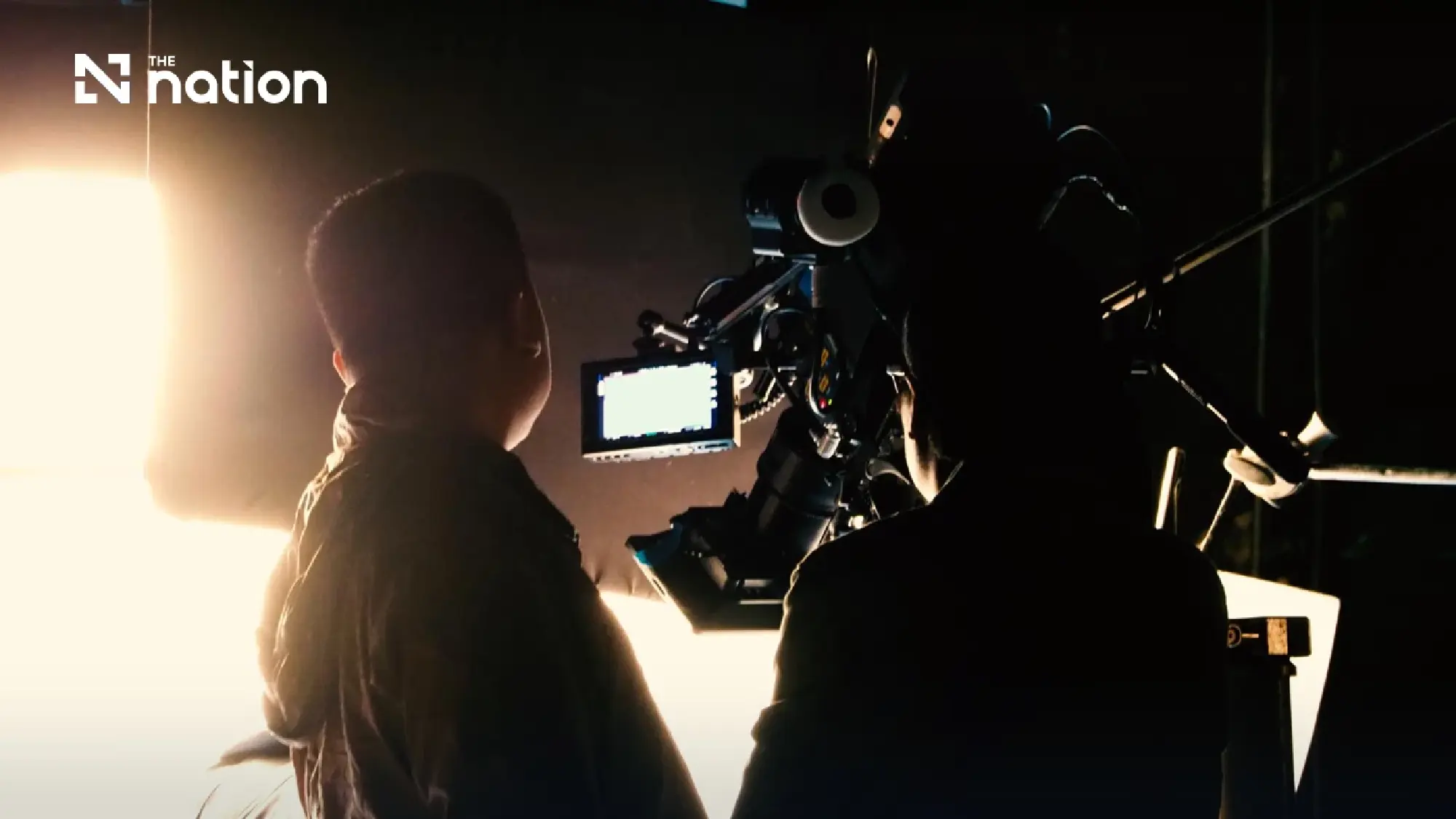
On workplace safety, the Labour Ministry is preparing to set up a joint working group with representatives from the industry to study whether formal working-hour standards should be introduced for film crew members.
The move follows concerns that some production workers are still required to work more than 16 consecutive hours a day, affecting their health, safety and job performance.
The findings of the study will be used to support possible amendments to labour laws, regulations and related measures so they better match the working conditions of the film and entertainment industry.
Welfare access may be widened for freelancers
The ministry is also studying ways to expand welfare benefits for independent and freelance workers, who are an important part of Thailand’s creative economy but often fall outside conventional employment protection systems.
The proposed benefits could include better access to medical care, unemployment protection and income security after retirement.
The broader goal is to build a labour protection system that covers all groups of workers, reduces welfare inequality and raises employment standards in Thailand’s film and entertainment industry to international levels.
Officials say the measures are intended to support the long-term growth of the creative economy while ensuring that those working behind the scenes receive fairer treatment, stronger protection and more secure livelihoods.
