
US invokes Section 301 to impose 25% tariff on Brazilian imports
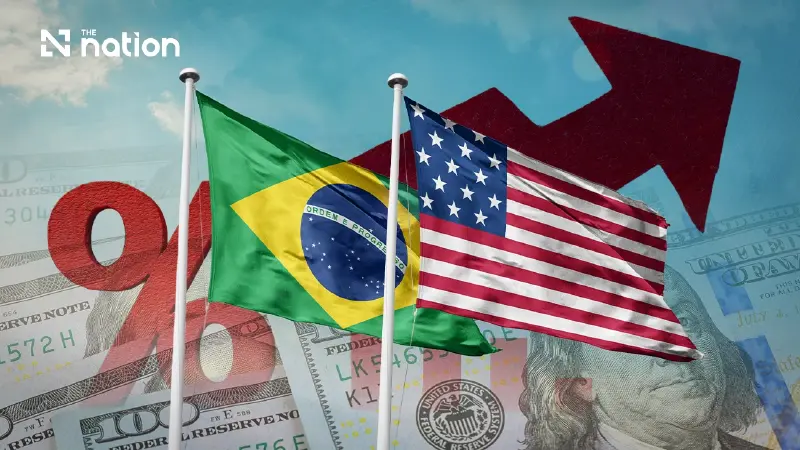


The United States will impose a new 25% tariff on most Brazilian imports from July 22, citing unfair trade practices, while Brazil plans WTO action and retaliatory measures.
The United States has announced a new 25% tariff on most imports from Brazil, set to take effect next week on July 22, after concluding a year-long investigation under Section 301 of the US Trade Act of 1974.
Washington said the investigation found that Brazil had engaged in “unfair trade practices”. The new tariff is expected to reignite tensions between the two countries after negotiations failed to produce an agreement.
The Section 301 investigation targeted several Brazilian policies, including orders requiring US technology companies such as X, Meta and Google to remove certain political content and suspend accounts belonging to users residing in the United States.
The investigation also covered Brazil’s tax preferences for Mexico and India, what the US described as ineffective enforcement of intellectual property rights, and barriers to market access for ethanol.
The 25% tariff will take effect from Wednesday, July 22, covering most imports from Brazil. However, some goods will be exempted, including beef, orange juice, aircraft and aircraft parts, and energy products.
Brazil vows retaliation
Brazilian President Luiz Inácio Lula da Silva said on X that the US decision had no factual basis and announced that Brazil would take retaliatory measures.
He also said Brazil would bring the matter before the World Trade Organisation, or WTO, dispute-settlement process.
Lula said there was “no legitimate justification for unilateral measures”, arguing that the United States has enjoyed a cumulative US$424.5 billion surplus in goods and services trade with Brazil over the past 15 years, citing US government data.
Last year, the US also recorded a US$14.4 billion trade surplus with Brazil, more than double the previous year’s level.
Washington’s latest tariff move comes after the US Supreme Court ruled in February this year to cancel reciprocal tariffs of 50% on imports from Brazil, leaving only the global tariff rate of 10% in place.
Following that ruling, President Donald Trump sought to revive tariff powers by opening a trade investigation under Section 301, which allows the president to impose tariffs on countries found to be engaging in unfair trade practices without requiring additional approval from Congress.
The Office of the United States Trade Representative, or USTR, said in a statement that the additional tariff was necessary to create fair competition for American workers and businesses.
The measure follows several months of trade negotiations between the two countries, including multiple high-level meetings between Brazilian officials and US trade representatives in recent weeks.
The US is also conducting a separate investigation into forced labour, which could lead to an additional 12.5% tariff on Brazilian goods on top of the 25% tariff. A decision on that issue is expected next week.
Beyond trade, the dispute has also moved into Brazil’s domestic politics ahead of the presidential election scheduled for October.
Lula accused Flávio Bolsonaro, a Brazilian senator and son of former president Jair Bolsonaro, of playing a role in influencing the US tariff decision after travelling to Washington.
Source: Krungthep Turakij
