
Japan weighs restoring naphtha reserves amid Middle East supply risks
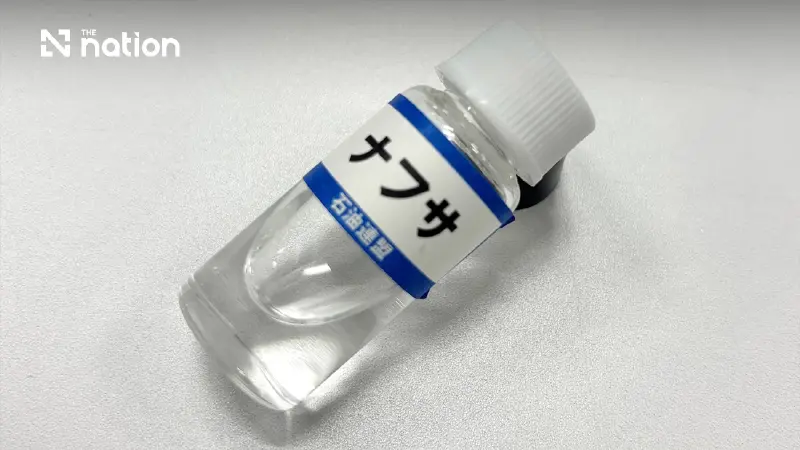


The government is studying storage options and costs as Middle East tensions highlight Japan's heavy dependence on naphtha and crude from the region.
- The Japanese government is considering restoring a national naphtha reserve due to supply risks stemming from instability in the Middle East, a key source for the material.
- This move would reinstate a mandatory stockpiling system that was abolished in 1993 at the request of the petrochemical industry due to high maintenance costs.
- Officials are exploring alternative storage methods, such as solid pellets, because naphtha is highly volatile and difficult to store long-term as a liquid.
- Reinstating the reserves faces significant financial and practical hurdles, including determining who will bear the cost of the new system.
Shortages of paints and solvents in Japan’s housing and construction sectors have led the government to examine a return to naphtha stockpiling as instability in the Middle East threatens supplies.
Naphtha is a raw material used in plastics and paints.
Japan imports about 40 per cent of its supply from the Middle East, while domestically produced naphtha accounts for a further roughly 40 per cent.
Much of that domestic output, however, is made from crude oil sourced from the same region.
On 7 July, Economy, Trade and Industry Minister Ryosei Akazawa said the government would consider building naphtha reserves.
The announcement followed calls from several quarters to revive a stockpiling system that had previously covered naphtha in the same way as oil.
The mandatory scheme was abolished in 1993 at the petrochemical industry’s request after companies argued that the cost of maintaining reserves was too high.
Reinstating it would pose practical as well as financial problems.
Naphtha is highly volatile, has properties similar to petrol and evaporates easily, making long-term liquid storage difficult.
The ministry is therefore examining whether reserves could be held in pellet form, alongside an increase in crude oil stocks, so that part of them could be used for naphtha production.
“Japan needs to have (naphtha) reserves,” said Manabu Chikumoto, president and chief executive of Mitsubishi Chemical Group Corporation and chairman of the Japan Petrochemical Industry Association.
He said stockpiling it as a liquid was “not very realistic”.
The choice of storage method is directly linked to who would bear the cost.
A ministry official said the government hoped to reach a decision “as soon as possible”, while an oil company official said the involvement of several industries meant the problem would not be easy to resolve.

[Copyright The Jiji Press, Ltd.]
