
Japan swelters near 40°C as heat deaths rise, office shorts spark debate
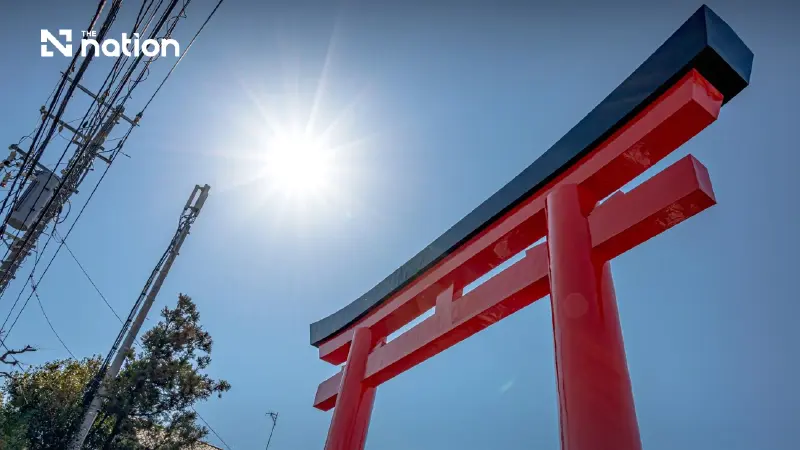


Japan issues heatstroke alerts in 42 prefectures as temperatures near 40°C, seven deaths are reported and Tokyo’s office-shorts campaign divides workers
Japan is facing potentially life-threatening heat, with temperatures reaching or approaching 40 degrees Celsius across parts of the country and heatstroke alerts issued for 42 of its 47 prefectures.
The Japan Meteorological Agency warned that the intense heat would affect a wide area stretching from the northeastern Tohoku region to Kyushu in the southwest, with inland areas facing some of the highest temperatures.
Kumagaya in Saitama Prefecture was forecast to reach 40°C, while Nagoya and Maebashi were expected to record highs of 39°C. Saitama city and Kofu were forecast to reach 38°C.
The warnings followed another day of extreme conditions, when Koshu in Yamanashi Prefecture recorded 39.4°C, among the highest readings nationwide.
Heatstroke alerts covered 42 prefectures from Tohoku to Okinawa, the highest number issued so far this year. Authorities advised residents to use air conditioning, drink water regularly, replace salt lost through perspiration and avoid spending extended periods outdoors.
Japan records its first ‘brutally hot’ days
Japan has introduced a new official term, kokushobi, for days when temperatures reach 40°C or above.
The expression may be translated as a “brutally hot day” and was introduced as extreme temperatures became increasingly frequent. Japan’s previous highest category, moshobi, refers to days when temperatures reach at least 35°C.
Several cities recorded temperatures of 40°C or higher this week, marking the first use of the new category during 2026. The dangerous heat has placed renewed pressure on residents, public health services and workplaces.
Japan recorded an all-time national high of 41.8°C in 2025, while more than 100,000 people were taken to hospital for heatstroke during that summer.
Seven deaths and thousands taken to hospital
The Fire and Disaster Management Agency said 4,580 people were taken to hospital with heat-related illnesses nationwide between July 6 and 12.
Seven people died and 105 were classified as seriously ill during the seven-day period. The total number taken to hospital was more than three times that recorded in the previous week.
Officials have warned that heatstroke can also occur indoors, particularly when people avoid using air conditioning or do not drink enough water.
Older people, young children and those working outdoors face particularly high risks, but authorities have urged everyone to take precautions as temperatures remain dangerously high.

Tokyo broadens its Cool Biz campaign
As increasingly severe summers change daily life, the Tokyo Metropolitan Government has expanded its Tokyo Cool Biz campaign to encourage more flexible approaches to work, clothing and energy use.
The initiative promotes three forms of “cool”: cooler working environments, cooler living environments and cooler clothing.
Its recommendations include teleworking or beginning work earlier to avoid the hottest part of the day, checking heat-risk maps and wearing lighter clothing suited to the occasion.
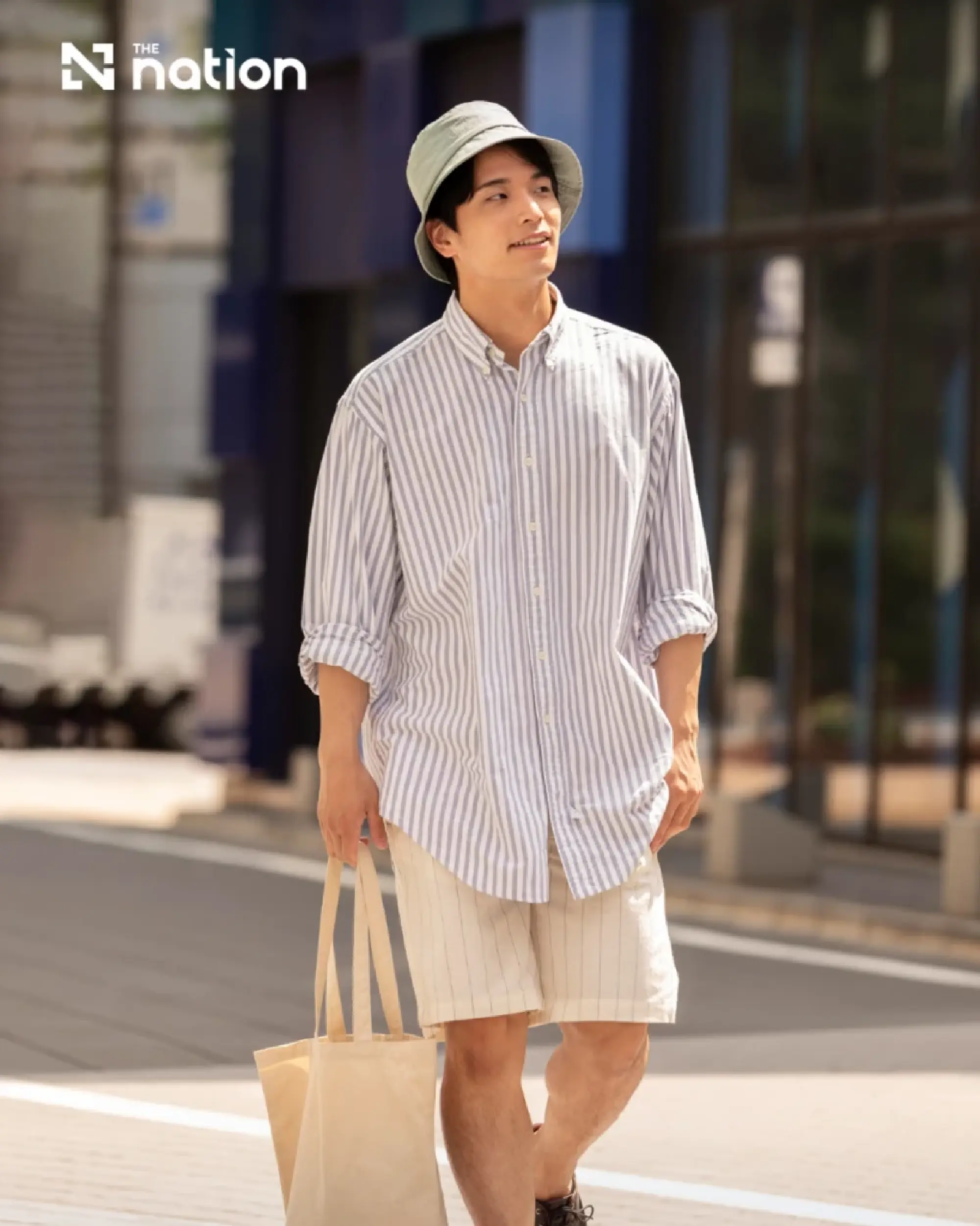
The city government has shown T-shirts and shorts among examples of suitable clothing, while also promoting parasols and other heat-protection products.
Governor Yuriko Koike, who promoted the original Cool Biz concept while serving as environment minister in 2005, has urged people not to hesitate to use air conditioning when their health is at risk.
She has stressed that the campaign is intended to combine comfort and energy efficiency rather than simply reduce air-conditioner use.
Tokyo government employees have been allowed to adopt lighter clothing depending on their duties and the setting, including polo shirts, T-shirts, trainers and, where appropriate, shorts.
The policy is intended to give workers more options rather than impose a single style of dress.
Shorts policy divides office workers
The inclusion of shorts has nevertheless generated debate in Japan, where formal suits and conservative workplace clothing remain common.
A survey attributed to men’s medical provider Gorilla Clinic found that 53.5% of respondents opposed wearing shorts at work, while 46.5% supported the idea.
Some female respondents reportedly said they felt uncomfortable seeing male colleagues’ bare legs or visible leg hair. The debate prompted use of the social-media expression sunehara, a shortened form of “shin harassment” or “leg-hair harassment”.
Some women also questioned whether the dress-code relaxation was being applied equally, arguing that women could still face expectations to wear tights or maintain more formal standards when showing their legs.
The survey and subsequent online discussion should be treated as evidence of a cultural debate rather than as an official assessment of the Tokyo policy.

Demand for male hair removal reportedly rises
Akifumi Funatsu, identified in reports as a director of Gorilla Clinic, said more working-age men had sought laser hair-removal treatment for their legs following the debate.
For some customers, he said, removing leg hair was no longer viewed solely as a cosmetic choice, but as part of workplace etiquette when wearing shorts around colleagues.
The trend illustrates how a policy introduced to address heat and energy use has collided with Japan’s established expectations surrounding appearance, professionalism and office behaviour.
Tokyo officials have maintained that workers should simply dress appropriately for their role and surroundings, without causing discomfort or appearing disrespectful.
New products help people cope with the heat
Japanese consumers are also turning to a growing range of heat-management products.
These include jackets fitted with small fans, cooling towels, ultraviolet-protection umbrellas, reflective parasols and portable electric fans.
Tokyo has promoted products designed to create shade, replenish water and salt, cool the body and alert users to dangerous temperature or humidity levels.
Japan’s high summer humidity makes extreme heat particularly dangerous because perspiration evaporates less efficiently, reducing the body’s ability to cool itself.
Health authorities therefore advise people to drink before becoming thirsty, rest regularly in cool areas and gradually acclimatise their bodies to hotter conditions.
The combination of record temperatures, mounting hospital admissions and changing workplace practices shows that extreme heat is no longer a temporary inconvenience for Japan, but a challenge increasingly reshaping public health, employment and everyday life.
