
Iran seeks 5–7% cargo fees in proposed Hormuz deal
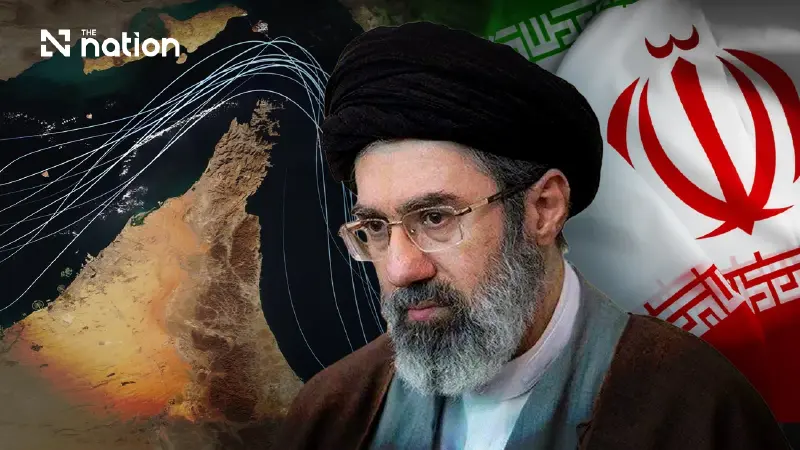


Oman is discussing a 3% charge and Washington wants none, while a proposed 60-day interim plan would suspend tolls during mine clearance.
Iran is seeking to charge ships using the Strait of Hormuz fees equal to between 5% and 7% of the value of their cargo as part of negotiations aimed at reopening the waterway and ending more than five months of war with the United States, according to a senior Iranian source.
Oman is discussing a lower charge of around 3%, while Washington wants no fees imposed at all. Gulf negotiators have also insisted that any payments by shipping companies should be voluntary, leaving the proposed charging system among the central issues still unresolved.
Before the war, vessels from all countries could pass through the strait without paying transit fees. Any agreed levy would therefore introduce a new cost for ships using one of the world’s most important energy shipping routes.
Washington also opposes Iranian control
The dispute over fees forms part of wider negotiations over how shipping would be managed through the Strait of Hormuz.
A senior Iranian source and two regional officials told Reuters that the proposed agreement would give Tehran authority over ships entering the Persian Gulf through the waterway. US officials have repeatedly maintained that Washington would not accept Iranian control over access to the strait.
One regional source said negotiators had accepted that Iran would receive some form of authority over Hormuz, although the precise meaning of “control” remained unsettled.
Another source said Gulf representatives wanted regional countries to supervise ship inspections. Negotiators have also yet to agree on Iran’s role in overseeing vessels travelling out of the Gulf towards the Arabian Sea.
An agreement granting Tehran formal authority over maritime traffic would give Iran powers it did not hold before the war and alter the management of a waterway previously open to international shipping without fees.
Temporary plan would waive all charges
Axios separately reported that the emerging interim agreement would establish a 60-day arrangement between Iran and Oman.
During that period, vessels entering the Persian Gulf would use a northern shipping lane through Iranian waters. Ships leaving the Gulf for the Arabian Sea would travel through a southern lane in Omani waters, with Oman coordinating the route with Iran.
No tolls or transit fees would be collected during the temporary arrangement, despite the separate disagreement over charges under a longer-term system.
The parties would also work to clear naval mines from the central shipping lane within 30 days. Once the lane had been cleared, it would carry traffic in both directions under a permanent arrangement to be negotiated by Iran and Oman.
Sources cited by Axios said Iran’s supreme leader and Supreme National Security Council had completed the approval process for the emerging arrangement. The agreement had not yet been formally concluded.
Tehran sets condition for reopening strait
Iran has linked any reopening of the Strait of Hormuz to US compliance with a memorandum of understanding reached in mid-June.
Tehran maintains that Washington must return to commitments contained in the document, which called for an immediate halt to military operations. Iranian officials have described US compliance as a condition for allowing commercial traffic to resume.
Iran has also warned Gulf Arab countries that another US attack on its territory would prompt retaliation against critical energy infrastructure and other regional targets.
The warning was intended to increase the political and economic costs of further US military action by placing Washington’s regional allies and energy facilities at risk, according to sources familiar with the message.
Trump faces pressure to reach settlement
US President Donald Trump is under political pressure to end the conflict before the November midterm elections, with polling cited by Reuters showing that American voters oppose the war by roughly two to one.
Months of US military operations, including a two-week campaign of strikes in July, have not ended Iran’s control over access to the strait. Washington has consequently placed greater emphasis on negotiations.
Trump postponed renewed attacks on Iran to allow more time for diplomacy, although the possibility of further strikes remains if negotiations fail.
Crude oil prices fell sharply over two days after Trump called off the attacks and cited negotiations that he said could bring the conflict to an end.
