
Iran-Oman Hormuz proposal raises questions over Gulf shipping control
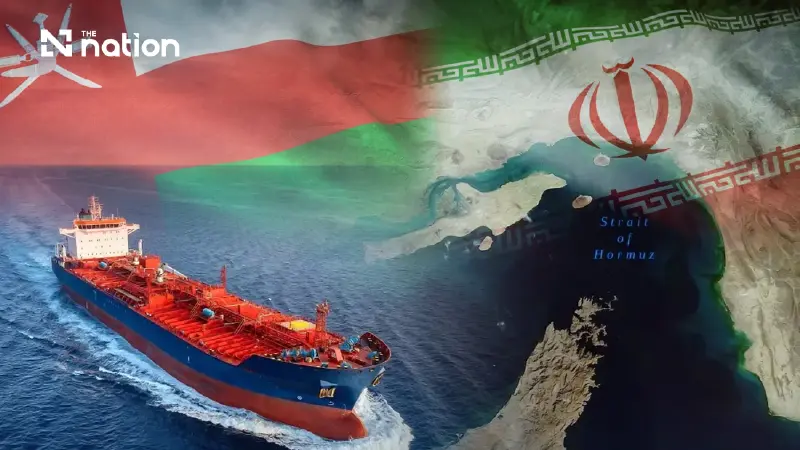


A proposed Iran-Oman arrangement could give Tehran authority over ships entering the Gulf, but fees, inspections and outbound traffic remain unresolved.
A proposed arrangement being discussed by Iran and Oman could give Tehran authority over ships entering the Gulf through the Strait of Hormuz, according to a senior Iranian source and two regional officials familiar with the negotiations.
The proposal forms part of diplomatic efforts to end five months of conflict between Iran and the United States. It would represent one of the most significant concessions to Tehran since the United States and Israel launched the war on February 28, particularly because Washington has repeatedly said it would not accept Iranian control over access to the strategically important waterway.
There was no immediate public response from the United States to the reported proposal. President Donald Trump has said an agreement to reopen the strait could be close, but the Iranian and regional sources cautioned that substantial issues remained unresolved and rejected suggestions that a final settlement was imminent.
Before the war, commercial vessels were able to use the strait freely without paying transit fees. An agreement granting Iran a formal role in directing or approving traffic would therefore mark a major change in the regional balance of power and in the way one of the world’s most important energy shipping routes is managed.

Control and fees remain disputed
Iran and Oman have been holding bilateral discussions because the northern and southern channels of the strait pass through waters controlled by the two countries. Tehran has reported “significant progress” and has argued that both inbound and outbound journeys should pass through Iranian territorial waters.
However, the precise meaning of Iranian “control” has yet to be settled. One regional source said negotiators had already accepted that Iran would have some form of authority over the route, while another said Gulf representatives wanted regional countries to supervise inspections and insisted that any payments by shipping companies should be voluntary.
Fees remain one of the principal points of disagreement. The senior Iranian source said Tehran was seeking charges equivalent to between 5% and 7% of the value of cargo carried by vessels using the strait.
Oman has discussed a lower figure of about 3%, while Washington’s position is that no fees should be imposed.
The draft arrangement currently under consideration would allow Iran to control ships travelling into the Gulf, according to the Iranian source. Negotiators have yet to agree on the extent of Tehran’s role over ships travelling in the opposite direction.
The discussions have nevertheless produced progress on the proposed route. Iran’s Foreign Ministry said Tehran and Muscat had reached an understanding on its geographical coordinates and were preparing a joint announcement, although the agreement remained under review.

Tehran links reopening to US commitments
Iranian Deputy Foreign Minister Kazem Gharibabadi told the state-run IRNA news agency that the proposed system was designed for commercial vessels to travel through Iranian territorial waters on both inbound and outbound passages.
He said Tehran and Muscat had reached fundamental understandings and that the process was close to being finalised.
Gharibabadi also said Iran had received messages indicating that the United States was prepared to return to commitments made under a memorandum of understanding reached in mid-June. That document provided for an immediate halt to military operations.
Iran regards US compliance with those commitments as a condition for reopening the strait. Gharibabadi nevertheless said Tehran and Washington had not held direct talks in recent days, underlining the role being played by Oman and other regional intermediaries.
The disagreement over the waterway is therefore not limited to shipping lanes. It is also tied to the wider effort to bring the conflict to an end and establish conditions under which commercial traffic could resume without renewed military action.
Ship movements through the strait remained far below normal levels as the talks continued. Ship-tracking data recorded only eight crossings on Tuesday, compared with between 130 and 140 transits a day before the war, although vessels operating without active tracking systems may not have been counted.
Regional tensions remain high
The negotiations are taking place under continued military pressure. Iran has warned Gulf countries that another US attack on Iranian territory would prompt retaliation against important energy facilities and other regional targets, according to sources cited by Reuters.
Tehran has used missiles and drones against US allies in the region during the conflict and has also targeted commercial vessels that it said were attempting to pass through the strait without permission.
Iran has reported more than 3,400 deaths since the war began, while the United States has reported the deaths of 18 military personnel.
Trump told supporters at a rally in Las Vegas that he would prefer a negotiated outcome because he did not want further loss of life. His comments came as he faced growing domestic pressure to bring the conflict to an end before the November midterm elections.
Reuters reported that US voters opposed the war by roughly two to one. That public resistance contrasts with Trump’s position at the start of the conflict, when he said it would conclude with Iran’s “unconditional surrender” and suggested he would approve the selection of the country’s leader.
Months of US military action have not removed Iran’s control over access to the strait. American forces also carried out a two-week campaign of strikes in July, but US commanders subsequently warned Trump that stocks of some munitions were running low. Reuters reported separately that the US Army had used nearly all of its long-range precision missiles.
Energy markets have responded quickly to signs of possible de-escalation. Crude oil prices fell sharply over two days after Trump called off renewed attacks on Iran and pointed to negotiations that he said could end the war.
Although the proposed Iran-Oman arrangement could provide a route towards reopening the Strait of Hormuz, the negotiations remain incomplete. The final outcome will depend on whether the parties can reach agreements on inspections, transit fees, supervision of outbound traffic and the wider security commitments sought by Iran, Gulf countries and the United States.
Source: Reuters
