
H-1B visas explained and what changes loom for workers
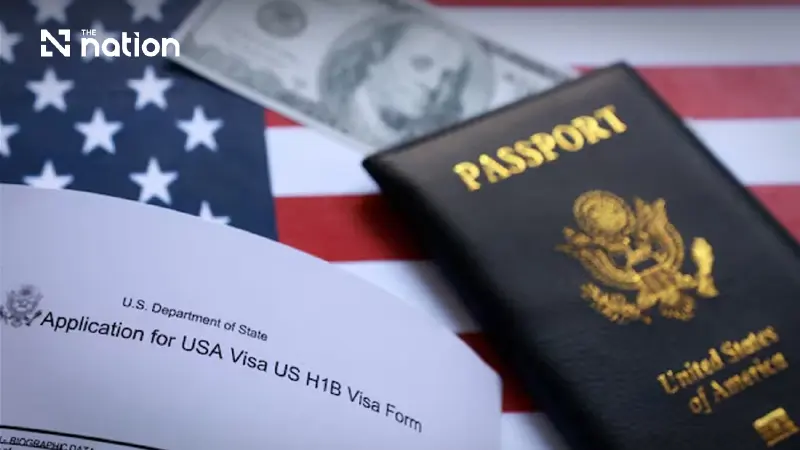


The US plans to make a US$103,265 application fee permanent as stricter vetting disrupts hiring and H-1B registrations fall sharply
- The Trump administration is proposing a permanent fee of $103,265 for new H-1B visa applications, a massive increase from the previous cost of $2,000-$5,000.
- Alongside the fee hike, changes include stricter screening of applicants, focusing on social media and CVs, and a planned selection process favoring higher-skilled, better-paid workers.
- The H-1B program allows U.S. employers to temporarily hire skilled foreign workers, with 85,000 visas available annually, and is heavily used by tech and consulting companies.
- The proposed high fee is facing multiple lawsuits and has been blocked by one federal judge, while H-1B registrations have dropped by over 25% from the previous year.
The Trump administration is seeking to impose a permanent US$103,265 fee on new H-1B visa applications, escalating a legal and political dispute over a programme widely used by US employers to recruit skilled foreign workers.
President Donald Trump sharply increased the fee to US$100,000 last year under a temporary measure due to expire in September. The Department of Homeland Security has now proposed making the higher charge permanent and raising it to US$103,265.
Before Trump’s increase, H-1B applications generally cost employers between US$2,000 and US$5,000, depending on the circumstances.
The proposed change comes alongside stricter screening of applicants and a planned selection process favouring more highly skilled and better-paid workers.

What is the H-1B visa programme?
Congress established the H-1B programme in 1990 to allow US employers to recruit foreign workers trained in specialised fields.
Successful applicants can work temporarily in the United States, with visas generally granted for three years and renewable for up to six years.
The programme provides 65,000 visas annually, plus another 20,000 for workers holding advanced degrees.
Technology companies rely heavily on the scheme to recruit professionals from India and China. Major sponsors also include consulting firms Deloitte, PwC and Ernst & Young, as well as outsourcing groups Tata Consultancy Services, Infosys, HCLTech and LTIMindtree.
Supporters say the programme helps companies recruit highly skilled professionals and fill positions for which qualified US workers are unavailable.
Trump and other critics argue that some employers abuse the system by replacing American employees with lower-paid foreign workers.
Tesla, Amazon, OpenAI and other companies have faced questions about their use of H-1B workers during a period of US layoffs and tighter employment conditions.
Proposed fee faces court challenges
Trump’s initial US$100,000 fee triggered several lawsuits.
A federal judge ruled in June that the charge was unlawful and blocked the administration from collecting it. A Boston-based appeals court is reviewing that decision.
A separate court is considering whether another judge was right to reject a challenge brought by the US Chamber of Commerce, the country’s largest business lobbying organisation.
Democratic-led states and a coalition of employers and trade unions have also filed lawsuits against the fee.
Those cases could be amended to challenge the proposed permanent rule once it is finalised.
An organisation representing India’s technology industry said it was engaging with US stakeholders and urged the administration to consider the programme’s role in helping companies address temporary skills shortages.
Tougher screening affects recruitment
Changes to the scrutiny and processing of H-1B applicants have disrupted recruitment and expansion plans at some companies.
Google, one of the programme’s leading users, has moved to expand operations in India.
The Trump administration announced in December that it would intensify screening of H-1B applicants, focusing particularly on what it described as censorship and free speech.
The State Department instructed US consulates to examine applicants’ LinkedIn profiles and CVs, along with those of accompanying family members.
The scrutiny applies to visa applicants generally but places particular attention on technology workers seeking H-1B visas who may have been involved in what the administration described as suppressing protected expression.
Applications fall sharply
Court filings showed that about 70 employers had paid the US$100,000 fee for 85 visa applications by late February.
Employers registered for about 344,000 H-1B visas last year, according to US Citizenship and Immigration Services.
That represented a decline of more than 25% from 2024 and was less than half the 759,000 registrations recorded in 2023.
