
US federal judge upholds Trump's 100,000 USD H-1B fee
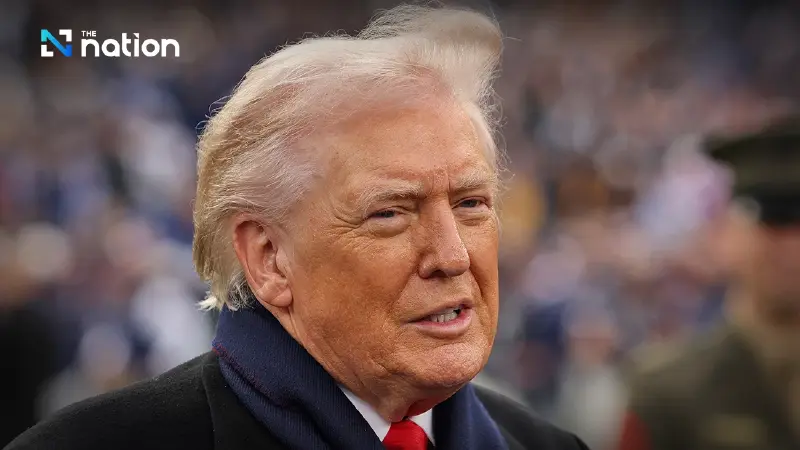


A federal judge in Washington, D.C. ruled on Tuesday (December 23) that President Donald Trump acted within his legal powers when he imposed a US$100,000 fee on employers seeking to file petitions for new H-1B visas.
- A US federal judge has upheld a Trump administration policy that requires employers to pay a $100,000 fee for new H-1B visa petitions.
- The judge's decision was based on the president's broad constitutional and statutory authority granted by Congress, rather than the economic impact of the fee.
- The lawsuit seeking to block the policy was filed by major business and university groups, including the US Chamber of Commerce and the Association of American Universities.
The decision handed the administration a courtroom win and dealt a setback to major business and university groups.
In a decision issued on Tuesday, US District Judge Beryl A. Howell said the case turned on constitutional and statutory authority rather than the economic impact raised by challengers.
She concluded that Congress had granted the president wide discretion, which he used to issue a proclamation framing the measure as tied to economic and national security concerns.
Trump signed the proclamation on September 19, requiring employers to make the US$100,000 payment before petitions for new H-1B visas would be processed, a move that drew sharp criticism from companies that rely on overseas hires for specialised roles.
The US Chamber of Commerce and the Association of American Universities, which represents dozens of US research universities, brought the lawsuit to block the policy.
The ruling is one of several legal tests facing the fee, including a separate, more recent challenge led by California and Massachusetts.
Employers typically pay several thousand dollars in fees for H-1B applications, meaning the new requirement would significantly raise the cost of recruiting foreign professionals.
Xinhua
