
China launches new K visa to lure STEM talent amid tighter US H-1B rules
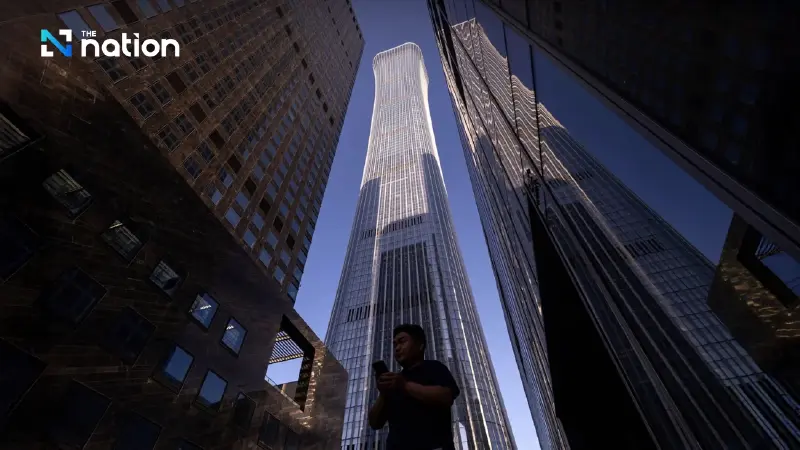


China has introduced a new K visa to attract foreign professionals in science, technology, engineering, and mathematics (STEM), effective from Wednesday (October 1), according to Thansettakij.
The scheme is part of Beijing’s broader push to enhance its scientific and technological competitiveness. It also includes streamlined visa procedures and a redesigned permanent residence card to make the country more appealing to international talent.
The programme is drawing attention as it contrasts sharply with recent US measures. President Donald Trump tightened eligibility rules for the H-1B visa — a programme that Silicon Valley heavily relies on to hire skilled foreign workers.
Policy background – why now
The K visa initiative is directly linked to national strategic priorities outlined at the 20th National Congress, which emphasised science as the primary productive force, talent as the key resource, and innovation as the main driver of growth.
With global competition in science and technology intensifying, Beijing is sending a strong signal that it wants to attract the next generation of innovators.
The K visa is designed to lower entry barriers for qualified individuals, boost international exchanges in science and technology, and strengthen collaboration to advance China’s innovation ecosystem.
Will China’s K visa attract foreign talent?
Edward Hu, immigration director at consultancy Newland Chase in Shanghai, said interest in the new K visa has been strong, with enquiries up more than 30% since August. Applicants are showing keen interest from India, Southeast Asia, Europe, and the United States.
However, China’s efforts to expand its talent pool face hurdles. While the country has sought to open up, it remains less international than the United States, which grants around one million green cards annually.
By contrast, China rarely confers citizenship on foreigners, and permanent residence permits remain difficult to obtain.
The workplace environment also poses obstacles for English-speaking applicants. Michael Feller, chief strategist at Geopolitical Strategy in Sydney, noted that Chinese companies must provide English-language operations and adopt global work practices if they wish to compete with their US counterparts, particularly Silicon Valley firms.
Large-scale inflows of foreign professionals are unlikely in the near term, as China does not offer non-ethnic Chinese a route to citizenship and sets strict criteria for permanent residency. Recent immigration reforms have mainly targeted overseas Chinese, encouraging them to return.
In 2020, Beijing expanded eligibility for its “China green card” programme, relaxing requirements to cover applicants who had worked in the country for at least eight consecutive years with an annual income three times higher than the local urban average. The move triggered a backlash on social media.
Previously, permanent residence was generally reserved for those with direct investment, senior executive or research roles, or significant contributions to national interests.
Between 2004 and 2015, China issued fewer than 10,000 permanent residence permits. By the end of 2015, People’s Daily reported that almost 970,000 foreigners were living in China, though the number fell sharply during the Covid-19 pandemic.
K visa’s relevance to the US H-1B clampdown
Although China’s push to attract skilled foreign workers comes at a time when US president Donald Trump has tightened immigration rules, there is no direct link between the launch of the K visa and the restrictions placed on America’s H-1B programme.
China officially introduced the visa on August 7, 2025, when the State Council issued Order No. 814, amending the country’s regulations on the administration of foreigners’ entry and exit.
This came before Trump announced a new US$100,000 fee for new H-1B applicants — a move that sent shockwaves through the technology sector, particularly in India, where nationals account for about 70% of recipients.
Many observers argue that America’s inward focus could indirectly benefit countries such as China that are seeking to expand their innovation ecosystems by attracting overseas expertise.
